Toyota Delays Solid-State Battery EV Launch to 2028
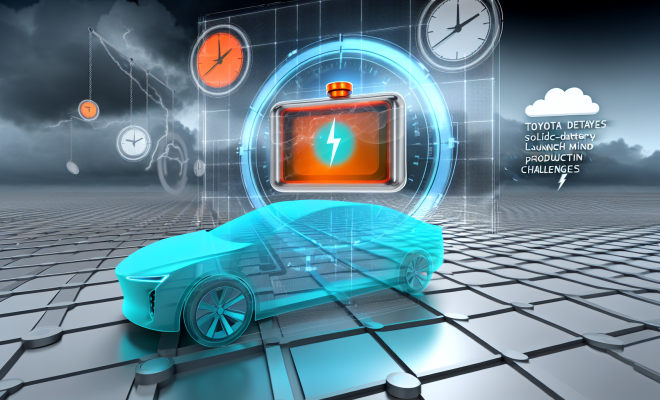
Toyota, a leader in the automotive industry, has made a significant adjustment to its timeline for the rollout of solid-state batteries, pushing back the anticipated launch from 2027 to 2028 or even later. This shift arises from ongoing technical difficulties related to scaling production, which has implications for the company’s broader electric vehicle (EV) strategy.
Challenges in Solid-State Battery Production
Initially, Toyota had high hopes for its solid-state battery technology, which promised to revolutionize the EV market with a remarkable range of up to 1,000 kilometers on a single charge and a fast charging time of around 10 minutes. These features were expected to enhance the appeal of electric vehicles significantly, making them more competitive with traditional gasoline-powered cars.
However, the company is now facing serious challenges in ramping up production to meet its ambitious goals. The complexities of manufacturing solid-state batteries, which utilize a solid electrolyte instead of the liquid electrolyte found in conventional lithium-ion batteries, have proven to be more daunting than anticipated. The technology is still in the developmental phase, and issues related to supply chain logistics and material availability have further compounded these challenges.
Impact on Future Models
The delay in solid-state battery production is particularly concerning for upcoming models, including the highly anticipated next-generation Toyota Prius. As one of the most recognized names in hybrid and electric vehicles, the Prius has long served as a symbol of Toyota’s commitment to sustainable transportation. However, the absence of solid-state batteries in this model could hinder its competitiveness in the rapidly evolving market.
Toyota’s revised timeline also poses risks to its broader goal of achieving 50% of total sales from electric vehicles by 2030. With the increasing push from competitors and regulatory bodies for cleaner, more efficient vehicles, the Japanese manufacturer must navigate these setbacks carefully to maintain its market position.
The Future of Electric Vehicles
Currently, the EV market is witnessing a significant transformation, with many automakers racing to develop advanced battery technologies. The delay in Toyota’s solid-state battery rollout is indicative of the broader challenges faced by the industry as it transitions towards electric mobility. While companies like Tesla and new entrants continue to innovate, established players like Toyota must adapt quickly to retain their competitive edge.
Despite the setbacks, Toyota has not abandoned its commitment to electric vehicles. The company continues to invest in hybrid technology and is exploring alternative energy solutions, including hydrogen fuel cells. However, the solid-state battery remains a critical component of its long-term strategy, and the recent delays underscore the complexities involved in bringing new technologies to market.
Market Reactions and Future Prospects
The automotive market has reacted cautiously to Toyota’s announcement, with analysts suggesting that the delay could impact the company’s stock performance and consumer confidence. Investors are closely monitoring how Toyota adapts its strategies in response to the evolving landscape of electric vehicles.
Looking forward, the company’s roadmap will likely involve a focus on improving the production processes of solid-state batteries while ensuring that other models can meet market demands in the interim. The integration of solid-state technology is seen as a potential game changer, but the timeline for widespread adoption remains uncertain.
Conclusion
In conclusion, Toyota’s decision to delay the rollout of solid-state batteries highlights the challenges that even industry leaders face as they strive to innovate and meet consumer demands. The shift in timeline from 2027 to 2028 or later raises important questions about the future of electric mobility and the company’s ability to meet its ambitious sales targets. As the automotive industry continues to evolve, all eyes will be on Toyota as it navigates these complexities in the coming years.