The Tech Edvocate

Top Menu

  • Advertisement
  • Apps
  • Home Page
  • Home Page Five (No Sidebar)
  • Home Page Four
  • Home Page Three
  • Home Page Two
  • Home Tech2
  • Icons [No Sidebar]
  • Left Sidbear Page
  • Lynch Educational Consulting
  • My Account
  • My Speaking Page
  • Newsletter Sign Up Confirmation
  • Newsletter Unsubscription
  • Our Brands
  • Page Example
  • Privacy Policy
  • Protected Content
  • Register
  • Request a Product Review
  • Shop
  • Shortcodes Examples
  • Signup
  • Start Here
    • Governance
    • Careers
    • Contact Us
  • Terms and Conditions
  • The Edvocate
  • The Tech Edvocate Product Guide
  • Topics
  • Write For Us
  • Advertise

Main Menu

  • Start Here
    • Our Brands
    • Governance
      • Lynch Educational Consulting, LLC.
      • Dr. Lynch’s Personal Website
      • Careers
    • Write For Us
    • The Tech Edvocate Product Guide
    • Contact Us
    • Books
    • Edupedia
    • Post a Job
    • The Edvocate Podcast
    • Terms and Conditions
    • Privacy Policy
  • Topics
    • Assistive Technology
    • Child Development Tech
    • Early Childhood & K-12 EdTech
    • EdTech Futures
    • EdTech News
    • EdTech Policy & Reform
    • EdTech Startups & Businesses
    • Higher Education EdTech
    • Online Learning & eLearning
    • Parent & Family Tech
    • Personalized Learning
    • Product Reviews
  • Advertise
  • Tech Edvocate Awards
  • The Edvocate
  • Pedagogue
  • School Ratings

logo

The Tech Edvocate

  • Start Here
    • Our Brands
    • Governance
      • Lynch Educational Consulting, LLC.
      • Dr. Lynch’s Personal Website
        • My Speaking Page
      • Careers
    • Write For Us
    • The Tech Edvocate Product Guide
    • Contact Us
    • Books
    • Edupedia
    • Post a Job
    • The Edvocate Podcast
    • Terms and Conditions
    • Privacy Policy
  • Topics
    • Assistive Technology
    • Child Development Tech
    • Early Childhood & K-12 EdTech
    • EdTech Futures
    • EdTech News
    • EdTech Policy & Reform
    • EdTech Startups & Businesses
    • Higher Education EdTech
    • Online Learning & eLearning
    • Parent & Family Tech
    • Personalized Learning
    • Product Reviews
  • Advertise
  • Tech Edvocate Awards
  • The Edvocate
  • Pedagogue
  • School Ratings
  • Consumer Reports Reveal Truth – Is Flexigenics Reviews Legit or Scam? (Shocking Findings)

  • Quietum Plus 2026 Review Complaints and Shocking User Findings

  • This Founder’s Rs 75 LPA Sacrifice Crumbled in 30 Days — Here’s Why

  • Urgent: Claude AI Bioweapons — The Unsettling Truth Anthropic Just Revealed

  • Shocking: Three Major Xbox Games Shutting Down Forever in 2026

  • One Man’s Dire Warning: Is AI Already Too Dangerous To Control?

  • The Urgent Parental Consent Debate Over Student Mental Health Screenings

  • LAUSD restricts all students from using AI tools | K-12 Dive

  • Catastrophic Data Breach: 153 Million Driver’s Licenses Exposed on Dark Web

  • Autonomous AI Hackers Weaponize PaperCut Flaws: The Terrifying New Era of Cybercrime

Tech News
Home›Tech News›Toyota & Isuzu Partner for Japan’s First Hydrogen Light Truck by 2027

Toyota & Isuzu Partner for Japan’s First Hydrogen Light Truck by 2027
By Matthew Lynch
April 15, 2026
0
Spread the love

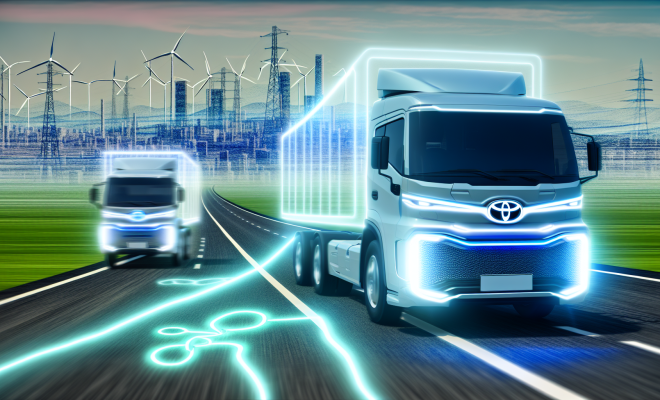
In an ambitious move towards sustainable transportation, Toyota and Isuzu have announced their collaboration to develop Japan’s first mass-produced light-duty fuel-cell truck. This groundbreaking initiative, based on Isuzu’s ELF EV platform, is set to pave the way for greener trucking solutions in the light-duty segment. Scheduled for release in fiscal 2027, this hydrogen-powered vehicle represents a significant step in the automotive industry’s transition towards eco-friendly technologies.

The Rise of Hydrogen in Transportation

Hydrogen fuel cell technology has emerged as a promising alternative to traditional fossil fuels, particularly in sectors where electrification has faced challenges. The collaboration between Toyota and Isuzu highlights a growing recognition of hydrogen’s potential to reduce greenhouse gas emissions in the trucking industry. With a focus on light-duty applications, the new truck aims to cater to businesses reliant on efficient and sustainable logistics.

Key Features of the New Hydrogen Fuel-Cell Truck

While specific details about the truck’s design and capabilities are still under wraps, the integration of hydrogen fuel cells into Isuzu’s ELF EV platform is expected to yield several advantages:

  • Zero Emissions: As a hydrogen-powered vehicle, it will produce only water vapor as a byproduct, contributing to cleaner air and a reduction in the carbon footprint.
  • Extended Range: Hydrogen fuel cells can offer a longer range compared to battery-electric vehicles, making them ideal for commercial applications where long-distance travel is required.
  • Quick Refueling: Refueling a hydrogen vehicle typically takes much less time than charging a battery-electric vehicle, enhancing operational efficiency for businesses.

The Collaboration Between Industry Leaders

The partnership between Toyota and Isuzu is a strategic alignment of two automotive giants with a shared vision for the future of sustainable transportation. Toyota has long been a pioneer in hybrid and hydrogen technologies, with its Toyota Mirai serving as a flagship model in the hydrogen fuel cell market. Isuzu, known for its expertise in commercial vehicles, brings valuable experience in the light-duty truck segment.

This collaboration not only leverages Toyota’s advancements in hydrogen technology but also Isuzu’s robust platform for light-duty trucks, creating a product that aims to meet the demands of modern-day logistics while adhering to stricter environmental regulations.

Market Implications and Future Prospects

The introduction of a hydrogen fuel-cell light-duty truck could have far-reaching implications for the trucking industry in Japan and beyond. As sustainability becomes a key focus for governments and businesses, the demand for greener alternatives is expected to rise. This initiative aligns with Japan’s broader goals of achieving carbon neutrality by 2050 and reducing reliance on fossil fuels.

Furthermore, this collaboration could serve as a catalyst for further innovations in the hydrogen sector, encouraging other manufacturers to explore similar technologies. As infrastructure for hydrogen refueling becomes more widespread, the viability of hydrogen-powered vehicles is likely to increase significantly.

Challenges Ahead

Despite the optimistic outlook, the path to widespread adoption of hydrogen fuel-cell technology is not without its challenges. Key hurdles include:

  • Infrastructure Development: The availability of hydrogen refueling stations is currently limited, which poses a challenge for potential users of hydrogen vehicles.
  • Cost of Production: The production of hydrogen fuel cells and the vehicles themselves can be expensive, which may affect market acceptance.
  • Public Perception: There may be skepticism about the safety and efficiency of hydrogen vehicles compared to traditional electric or diesel counterparts.

Looking Ahead to 2027

The collaboration between Toyota and Isuzu is poised to reshape the landscape of light-duty transportation by 2027. As preparations for the launch of this hydrogen fuel-cell truck progress, stakeholders in the automotive industry, transportation sector, and environmental advocacy groups will be closely monitoring developments.

By combining expertise in fuel cell technology and commercial vehicle design, Toyota and Isuzu aim to set a benchmark for sustainability in the trucking industry. This initiative not only promises to deliver an innovative vehicle but also signifies a commitment to a greener future in transportation.

Conclusion

As Toyota and Isuzu work towards the launch of their hydrogen-powered light-duty truck, they stand at the forefront of a transformative era in the automotive industry. By embracing hydrogen fuel cell technology, these companies are not just responding to market demands but are actively shaping a sustainable future for commercial transportation. With the anticipated release in 2027, the collaboration marks a significant milestone in the journey towards zero-emission vehicles and could inspire a new wave of innovations in the years to come.


Previous Article

April 2026: Best & Worst Selling Cars ...

Next Article

Fintech Revolutionizes Real Estate: Explosive Growth by ...

Matthew Lynch

Related articles More from author

  • Tech News

    BMW Boosts iX3 Electric SUV Production in Hungary

    March 18, 2026
    By Matthew Lynch
  • Tech News

    Create Sprints in Jira: A Comprehensive Guide

    July 19, 2026
    By Matthew Lynch
  • Tech News

    Master React Native: Build Cross-Platform Mobile Apps (2015-Present)

    June 19, 2026
    By Matthew Lynch
  • Tech News

    Wall Street Hits Record Highs in April 2026 Ahead of Earnings

    April 28, 2026
    By Matthew Lynch
  • Tech News

    The AI Tidal Wave: How SaaS Winners Are Cashing In While Others Drown

    August 25, 2026
    By Matthew Lynch
  • Tech News

    This Crucial Signal Just Sent Stocks Retreating — Here’s Why You Must Act Now

    September 10, 2026
    By Matthew Lynch

Search

Login & Registration

  • Log in
  • Entries feed
  • Comments feed
  • WordPress.org

Newsletter

Signup for The Tech Edvocate Newsletter and have the latest in EdTech news and opinion delivered to your email address!

About Us

Since technology is not going anywhere and does more good than harm, adapting is the best course of action. That is where The Tech Edvocate comes in. We plan to cover the PreK-12 and Higher Education EdTech sectors and provide our readers with the latest news and opinion on the subject. From time to time, I will invite other voices to weigh in on important issues in EdTech. We hope to provide a well-rounded, multi-faceted look at the past, present, the future of EdTech in the US and internationally.

We started this journey back in June 2016, and we plan to continue it for many more years to come. I hope that you will join us in this discussion of the past, present and future of EdTech and lend your own insight to the issues that are discussed.

Newsletter

Signup for The Tech Edvocate Newsletter and have the latest in EdTech news and opinion delivered to your email address!

Contact Us

The Tech Edvocate
910 Goddin Street
Richmond, VA 23231
(601) 630-5238
[email protected]

Copyright © 2026 Matthew Lynch. All rights reserved.