This Breakthrough Could Halve Offshore Wind Costs – Here’s How to Invest
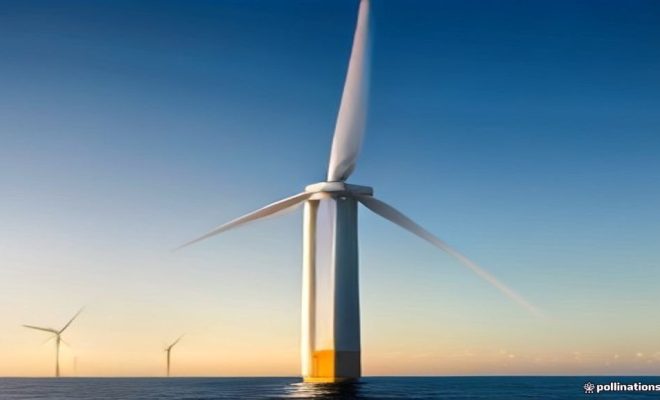
“`html
Offshore wind power, once a niche player in the renewable energy landscape, is rapidly transforming into a global powerhouse. It’s no longer just about reducing carbon emissions; it’s a serious investment opportunity with significant returns and a critical role in achieving energy independence. If you’ve been wondering how to invest in offshore wind power, you’re looking at a sector on the cusp of truly explosive growth, especially with recent technological leaps.
For years, the sheer scale and complexity of building massive turbines in the open ocean meant high upfront costs and a slower path to profitability compared to some other renewables. But that narrative is changing, and fast. The latest developments, particularly in floating offshore wind technology, are poised to dramatically cut these costs, making it an even more attractive proposition for savvy investors. We’re talking about a future where offshore wind isn’t just competitive, but potentially a cost leader in clean energy generation.
1. The Game-Changing Gazelle Wind Power Platform: A New Era for Floating Offshore Wind
Let’s start with the big news that’s shaking up the industry: Gazelle Wind Power’s recent announcement on September 21, 2026. They’ve unveiled a groundbreaking floating platform design that could fundamentally alter the economics of offshore wind. This isn’t just an incremental improvement; it’s a significant leap forward, designed to support colossal 18 MW+ turbines even in the most brutal typhoon conditions.
Developed in collaboration with a major Asian utility, this innovative design has undergone rigorous global performance simulations. The results are nothing short of astonishing: a projected 44% lower Capital Expenditure (CAPEX) and a staggering 52% lower Levelized Cost of Energy (LCOE) compared to existing benchmark semi-submersible designs. Think about that for a moment. Halving the cost of energy from a major renewable source? That’s not just good for the environment; it’s a massive win for investors and consumers alike. This kind of efficiency makes offshore wind power far more competitive against traditional fossil fuels and even other renewable sources, fundamentally reshaping how to invest in offshore wind power.
2. Understanding the Technology: How Gazelle Achieves Such Efficiency
So, what’s the secret sauce behind Gazelle’s platform? It boils down to clever engineering that simplifies complex systems. The design utilizes a central counterweight combined with three Articulated Mooring Frames (AMFs). This isn’t just a fancy name; it’s the core of its passive motion control system. Unlike many other floating platforms that require intricate, energy-intensive active ballast systems to maintain stability, Gazelle’s design passively controls platform motion.
This passive control is a crucial differentiator. It means fewer moving parts, less maintenance, lower operational costs, and significantly reduced complexity during installation and operation. Imagine a system that inherently stabilizes itself, even when facing extreme weather. This robustness is what allows it to operate effectively in challenging offshore environments, opening up vast new areas for wind farm development that were previously deemed too risky or too expensive. For those asking how to invest in offshore wind power, understanding these technological advantages is paramount.
3. The Economic Impact: Lower CAPEX and LCOE Explained
Let’s dive a bit deeper into those impressive financial figures: 44% lower CAPEX and 52% lower LCOE. What do these really mean for investors and the industry as a whole?
CAPEX, or Capital Expenditure, refers to the upfront costs of developing and building a project. A 44% reduction means that setting up an offshore wind farm using Gazelle’s technology would require significantly less initial investment. This lowers the barrier to entry for developers and makes projects more attractive to a wider range of financial backers. It also means that more projects can be developed with the same amount of capital, accelerating the deployment of renewable energy.
LCOE, or Levelized Cost of Energy, is arguably even more critical. It represents the average net present cost of electricity generation over the lifetime of a power plant. A 52% reduction in LCOE is, frankly, astounding. It means the electricity generated by these platforms will be dramatically cheaper. This makes offshore wind not just a ‘green’ choice, but an economically compelling one, capable of competing head-on with, and even undercutting, electricity prices from traditional fossil fuel sources. This shift fundamentally alters the investment landscape for offshore wind.
4. Expanding into Challenging Environments: Beyond Traditional Wind Farms
One of the persistent limitations of offshore wind has been the necessity of relatively shallow waters for fixed-bottom foundations. This limits where wind farms can be built, often constraining them to coastal areas that might face opposition or have ecological sensitivities. Floating offshore wind technology, however, changes this equation entirely.
Gazelle’s platform, with its ability to withstand typhoon conditions, is specifically designed for deployment in deeper, more turbulent waters. This opens up vast new oceanic territories for wind energy harvesting, particularly in regions like Asia, which frequently experience extreme weather events, but also have immense energy demands and strong offshore wind resources. This expansion capability is a key factor for anyone considering how to invest in offshore wind power, as it broadens the potential market significantly and diversifies geographical risk. (See: offshore wind energy investment opportunities.)
5. Broader Economic Incentives and Climate Action Alignment: More Than Just Returns
Investing in offshore wind power isn’t just about financial returns; it’s also about aligning with powerful global trends and economic incentives. Governments worldwide are committing to ambitious climate action goals, and renewable energy, especially offshore wind, is a cornerstone of these strategies. This means robust policy support, subsidies, tax incentives, and streamlined regulatory processes for renewable energy projects.
Beyond direct financial incentives, there’s a growing demand from institutional investors, pension funds, and even individual investors for Environmental, Social, and Governance (ESG) compliant investments. Offshore wind ticks all these boxes, offering a tangible way to contribute to climate solutions while generating strong returns. This alignment with broader economic and societal goals creates a stable and supportive environment for long-term investment in the sector. For more context, see green energy certifications.
6. Market Trends and Growth Projections: Riding the Wind Wave
The offshore wind market is experiencing exponential growth, and all indicators point to this trend continuing, if not accelerating. Reports suggest that global offshore wind capacity is projected to increase tenfold by 2040. This isn’t just a speculative forecast; it’s driven by concrete factors: technological advancements making projects more viable, increasing energy demand, national energy security concerns, and the urgent need to decarbonize electricity grids.
Regions like Europe, particularly the UK and Germany, have been pioneers, but Asia (China, Japan, South Korea, Taiwan) and North America (the US East Coast) are rapidly catching up, becoming major growth hubs. As costs continue to fall thanks to innovations like Gazelle’s platform, offshore wind will become an increasingly attractive option for more countries, further fueling market expansion. Understanding these market dynamics is crucial when figuring out how to invest in offshore wind power effectively.
7. Financial Considerations for Investors: Pathways to Participation
So, you’re convinced about the potential of offshore wind. How do you actually put your money to work? There are several avenues, each with its own risk and reward profile:
- Direct Investment in Project Development: This is typically for large institutional investors or specialized funds. It involves providing capital directly to build specific wind farms. High risk, high potential reward, often requires deep industry expertise.
- Investing in Publicly Traded Companies: A more accessible route for individual investors. Look for companies that develop, own, or operate offshore wind farms (e.g., Ørsted, Iberdrola, RWE). Also consider companies that manufacture key components like turbines (e.g., Siemens Gamesa, Vestas, GE Renewable Energy) or provide services to the sector.
- Exchange-Traded Funds (ETFs) and Mutual Funds: These offer diversification by investing in a basket of renewable energy companies, often with a focus on wind or offshore wind. This can mitigate individual company risk and is a great way for beginners to get exposure to how to invest in offshore wind power without picking individual stocks.
- Green Bonds: These are fixed-income instruments specifically earmarked to raise money for climate and environmental projects. Many offshore wind projects are financed through green bonds, offering a potentially lower-risk way to invest in the sector.
It’s vital to conduct thorough due diligence, understand the specific technologies a company is leveraging, and assess their financial health and project pipeline. The long-term nature of these projects means assessing a company’s stability and strategic vision is paramount.
8. The Future of Renewable Energy Investments: A Shifting Paradigm
The innovation from Gazelle Wind Power isn’t an isolated event; it’s indicative of a broader trend in renewable energy – relentless innovation driving down costs and expanding capabilities. This means that the ‘future’ of renewable energy investment is constantly being redefined. What was considered cutting-edge and expensive five years ago is now becoming mainstream and affordable.
This evolving landscape suggests that investors need to stay agile and informed. While solar has had its moment in the sun (pun intended), offshore wind, especially floating technology, is poised to take center stage in the next wave of renewable energy expansion. It offers a powerful, consistent energy source that’s less susceptible to land use constraints and often benefits from stronger, more consistent winds further offshore. This consistent output is a huge advantage for grid stability.
9. Key Takeaways for Aspiring Investors: Your Offshore Wind Checklist
If you’re serious about how to invest in offshore wind power, here’s a quick checklist of things to keep in mind:
- Technological Innovation is Key: Keep an eye on companies pushing the boundaries, like Gazelle Wind Power. Cost-cutting innovations directly translate to higher profitability and faster adoption.
- Global Growth: Don’t just look at established markets. Emerging offshore wind markets in Asia and North America offer tremendous growth potential.
- Policy Support: Understand government incentives, carbon pricing, and regulatory frameworks in target regions. Favorable policies provide a stable foundation for investment.
- Diversification: Consider a diversified approach through ETFs or by investing in a mix of developers, manufacturers, and service providers.
- Long-Term Horizon: Offshore wind projects are long-term assets. Be prepared for a patient investment strategy.
- ESG Alignment: Recognize the increasing importance of ESG factors in attracting capital and ensuring sustainable growth.
The offshore wind sector isn’t just about turbines in the ocean; it’s a dynamic, technologically advanced industry that’s critical for our planet’s future and offers compelling financial opportunities. With breakthroughs like Gazelle’s floating platform drastically reducing costs, the question isn’t whether to invest in offshore wind power, but how soon you’ll ride this powerful wave of innovation.
10. Understanding the Supply Chain: Beyond the Turbines
When you think about how to invest in offshore wind power, your mind probably jumps straight to the massive turbines themselves. But the industry’s supply chain is incredibly complex and offers numerous other investment opportunities beyond just the big names like Siemens Gamesa or Vestas. It’s a vast ecosystem of specialized companies, all playing a crucial role in bringing these colossal projects to life.
Think about the vessels needed for installation and maintenance – heavy-lift jack-up ships, cable-laying vessels, and service operation vessels (SOVs). Companies that own, operate, or build these specialized ships are essential. Then there’s the cabling itself, connecting the offshore turbines to substations and ultimately to the onshore grid. This involves high-voltage direct current (HVDC) and alternating current (HVAC) cables, along with their intricate installation and protection systems. Subsea cable manufacturers and installers are key players here. (See: National Renewable Energy Laboratory report on offshore wind.)
Don’t forget the foundations, even for floating platforms. While fixed-bottom designs use monopiles or jackets, floating systems still require sophisticated mooring lines, anchors, and connection points. Companies specializing in advanced materials, marine engineering, and subsea anchoring solutions are critical. Project management, survey work, environmental impact assessments, and even specialized insurance providers for these massive endeavors all represent pieces of the pie. Investing in companies that provide these essential, often less visible, services can offer a more diversified exposure to the sector and potentially lower correlation with the volatile stock prices of turbine manufacturers or project developers.
11. Navigating Regulatory and Permitting Challenges: The Unseen Hurdles
While technological advancements and economic incentives are pushing offshore wind forward, it’s important for investors to understand the significant regulatory and permitting hurdles these projects face. Unlike a factory that can be built on private land, offshore wind farms operate in public waters, often impacting multiple jurisdictions and stakeholders. For more context, see green skills gap in 2026.
Environmental impact assessments (EIAs) are incredibly rigorous, examining everything from marine life and bird migration patterns to potential impacts on commercial fishing and shipping lanes. These studies can take years and require extensive data collection and public consultation. Gaining approval from various government agencies – environmental protection, maritime, energy departments – can be a protracted process, often leading to delays and increased costs. For example, in the US, projects have faced delays due to concerns from fishing communities or defense interests.
Understanding a company’s track record in navigating these challenges, their relationships with local communities and regulators, and their ability to secure necessary permits efficiently, is a critical part of due diligence. A project might look great on paper, but if it gets bogged down in a multi-year permitting battle, that can severely impact returns. Savvy investors will look for companies with strong legal teams, robust stakeholder engagement strategies, and a proven ability to get projects approved and built.
12. Energy Storage and Grid Integration: Enhancing Offshore Wind’s Value
Offshore wind, like all intermittent renewables, produces electricity when the wind blows. To truly maximize its value and ensure grid stability, integrating it with energy storage solutions and smart grid technologies is becoming increasingly important. This opens up another interesting investment frontier.
Large-scale battery storage systems, for example, can store excess electricity generated during periods of high wind and release it when demand is high or wind speeds are low. This helps smooth out the power supply, making offshore wind a more reliable and dispatchable source of energy. Companies developing or manufacturing these grid-scale storage solutions are indirect beneficiaries of offshore wind’s growth.
Beyond batteries, innovations in grid infrastructure, such as advanced transmission lines, smart meters, and digital grid management systems, are crucial for efficiently integrating large amounts of offshore wind power into existing electrical networks. Investing in companies that specialize in grid modernization, power electronics, and sophisticated energy management software can be a way to capitalize on the broader shift towards a cleaner, more resilient energy system, where offshore wind plays a central role. The more efficiently offshore wind can be integrated, the higher its overall economic value.
13. The Role of Government Policy and International Cooperation: Accelerating Adoption
While technological innovation and market forces are powerful drivers, government policy remains a colossal factor in the growth and profitability of offshore wind. Ambitious targets, like those set by the European Union or individual states in the US, create a clear demand signal for developers and investors. Policies like Contracts for Difference (CfDs) in the UK, which guarantee a stable price for electricity over a long period, significantly de-risk projects and attract capital.
International cooperation is also playing a growing role. For instance, countries around the North Sea are collaborating on shared grid infrastructure to efficiently transmit electricity from massive offshore wind farms. Organizations like the International Renewable Energy Agency (IRENA) and the International Energy Agency (IEA) provide crucial frameworks and data, guiding national energy strategies towards offshore wind.
Investors should pay close attention to policy shifts and international agreements. A government committed to offshore wind, backing it with stable, long-term policy mechanisms and funding for research and development, offers a much more attractive environment than one with wavering support. This policy stability directly impacts project viability and investor confidence, making it a cornerstone for those figuring out how to invest in offshore wind power. (See: IEEE publications on energy technology advancements.)
Frequently Asked Questions (FAQ) on Investing in Offshore Wind Power
Q1: Is offshore wind power a stable investment compared to other renewables like solar?
Offshore wind often offers a more consistent and higher capacity factor than onshore wind or solar, meaning it generates power for a greater percentage of the time at its maximum potential. This is due to stronger, more consistent winds at sea. However, it typically involves higher upfront capital costs and longer development timelines. Innovations like floating platforms are reducing these costs, making it increasingly competitive. Both solar and offshore wind are stable in the long term, but offshore wind benefits from less intermittency and fewer land-use constraints, often making it a preferred choice for large-scale baseload renewable power generation.
Q2: What are the biggest risks associated with investing in offshore wind?
Key risks include high upfront capital expenditure (CAPEX), long development and construction timelines (which can expose projects to policy changes or market fluctuations), environmental and permitting challenges, grid connection issues, and the inherent risks of operating in harsh marine environments (e.g., extreme weather, technical failures, maintenance costs). Geopolitical instability can also affect supply chains and financing. However, many of these risks are being mitigated by technological advancements, favorable government policies, and increasing industry experience.
Q3: How do floating offshore wind platforms compare to fixed-bottom ones in terms of investment potential?
Fixed-bottom offshore wind farms are mature technology, suitable for shallower waters (up to around 60 meters deep). They have a proven track record but are limited geographically. Floating offshore wind, while newer, unlocks vast areas of deeper water globally, dramatically expanding the potential market. While initial floating projects might have higher costs, innovations like Gazelle’s platform are rapidly closing that gap. For long-term growth and scalability, floating offshore wind likely offers greater upside potential, as it can access superior wind resources further from shore.
Q4: What’s the typical timeline for an offshore wind project from conception to operation?
Offshore wind projects are long-term endeavors. From initial site assessment, environmental studies, and permitting to financing, construction, and commissioning, a project can typically take anywhere from 7 to 15 years. The operational lifespan of an offshore wind farm is usually 25 to 30 years or even longer. This long timeline underscores the need for a patient investment strategy and confidence in long-term policy stability.
Q5: Are there opportunities for small-scale investors, or is it mainly for institutional players?
While direct investment in project development is largely for institutional investors due to the massive capital requirements, small-scale investors can certainly participate. The most accessible routes are through publicly traded companies (developers, manufacturers, service providers), specialized Exchange-Traded Funds (ETFs), or mutual funds focused on renewable energy. Green bonds can also offer a more conservative fixed-income approach. These options allow individual investors to gain exposure to the sector without needing deep industry expertise or massive capital.
Q6: How does offshore wind contribute to energy independence?
By harnessing a domestic, inexhaustible natural resource (wind), offshore wind reduces a country’s reliance on imported fossil fuels. This enhances national energy security, stabilizes electricity prices against global commodity market fluctuations, and keeps energy generation within national borders. For many nations, particularly island nations or those with limited fossil fuel resources, offshore wind offers a direct path to greater self-sufficiency and resilience in their energy supply.
Q7: What impact does the scale of offshore wind turbines have on investment economics?
Larger turbines (like the 18 MW+ ones Gazelle’s platform supports) are a major driver of cost reduction and increased efficiency. Bigger turbines capture more wind energy, produce more electricity per unit, and reduce the number of foundations, cables, and installation events needed for a given capacity. This leads to economies of scale, lower LCOE, and ultimately, higher profitability for projects. The trend towards ever-larger turbines is a key factor making offshore wind more attractive for investors.
“`
Trending Now
Frequently Asked Questions
How can I invest in offshore wind power?
Investing in offshore wind power involves exploring opportunities in renewable energy funds, purchasing stocks of companies involved in wind technology, or investing in specific projects through crowdfunding platforms. With the recent technological advancements, such as the Gazelle Wind Power platform, the sector is becoming increasingly attractive for investors.
What are the benefits of offshore wind energy?
Offshore wind energy offers numerous benefits, including significant reductions in carbon emissions, potential for high energy output, and the ability to provide energy independence. Recent innovations are also driving down costs, making it a competitive and sustainable energy source.
What is the Gazelle Wind Power platform?
The Gazelle Wind Power platform is a groundbreaking floating offshore wind technology designed to support large 18 MW+ turbines in extreme weather conditions. It promises to significantly reduce capital expenditure and levelized cost of energy, potentially halving the costs associated with offshore wind power generation.
Why is floating offshore wind technology important?
Floating offshore wind technology is crucial because it allows for the installation of turbines in deeper waters where wind resources are stronger and more consistent. This innovation can lead to lower costs and increased efficiency, making offshore wind a more viable and attractive energy source.
What is the future of offshore wind energy?
The future of offshore wind energy looks promising, especially with advancements like the Gazelle Wind Power platform. These innovations are expected to reduce costs significantly, making offshore wind not only competitive but potentially a leader in clean energy generation, paving the way for further investments and growth in the sector.
What's your take on this? Share your thoughts in the comments below — we read every one.