RayNeo iO Smart Glasses: A Comprehensive Review
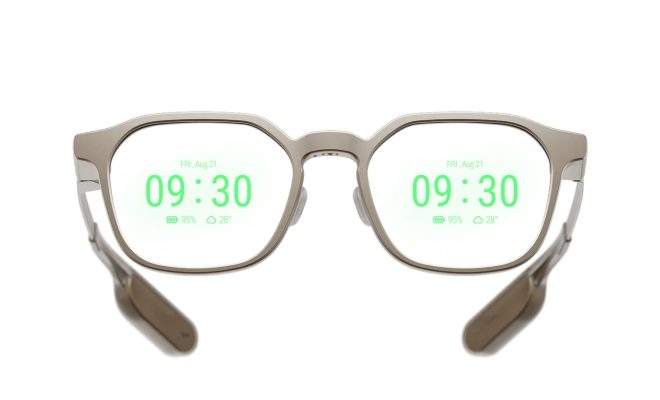
The smart glasses market has been evolving rapidly, with companies racing to create wearable technology that balances functionality with everyday wearability. RayNeo’s latest entry, the iO Smart Glasses, represents a bold attempt to create AI-powered eyewear that you’d actually want to wear all day. After examining the specifications, user feedback, and design philosophy behind these glasses, it’s clear that RayNeo has delivered an exceptional product that redefines what smart glasses can be—and at a price point that makes this technology accessible to a much wider audience.
Design and Comfort: Where the iO Truly Shines
The most impressive aspect of the RayNeo iO is undoubtedly its design. Weighing just 33 grams, these are among the lightest smart glasses on the market. To put that in perspective, that’s barely heavier than a standard pair of prescription glasses, and significantly lighter than competitors like the RayNeo X3 Pro at 76 grams.
Beta testers have been effusive in their praise for the comfort factor. One tester noted that after 30 days of use, the iO glasses were “not only the best smart glasses I’ve used, but the best glasses I’ve worn,” emphasizing that the silicone nose pads and arm sleeves prevent the glasses from slipping, even when working outside in heat. This is a crucial detail that many smart glasses manufacturers overlook—if your glasses constantly slide down your nose, no amount of fancy features will make them worth wearing.
The aesthetic design is equally important. Unlike bulkier AR glasses that scream “tech gadget,” the iO glasses look remarkably normal. They’re designed to blend in rather than stand out, making them suitable for professional environments and everyday use without drawing unwanted attention. Rayneo Available in two color options—Dune (Gold) and Polar Night (Grey)—the glasses offer a refined, minimalist appearance that prioritizes discretion over flashiness.
The build quality reflects thoughtful engineering. RayNeo has achieved an IP54 rating for dust and water resistance, meaning these glasses can handle everyday splashes and dusty environments without issue. The frame, hinges, and temples interlock with “micron-level precision,” according to the company, contributing to both durability and the overall premium feel.
Display Technology: Perfectly Calibrated for Purpose
The RayNeo iO features what the company calls the “Firefly Nano” optical engine, utilizing a transparent monochrome MicroLED display with a 23.5-degree field of view. The display appears as green text and graphics floating in your vision, with an impressive 97% transparency that ensures you can still see the world clearly around you.
At 1300 nits of maximum in-eye brightness, the display remains readable both indoors and outdoors, addressing one of the common complaints with earlier AR glasses that struggled in bright sunlight. The display is described as equivalent to a 33-inch screen, providing ample space for notifications, translations, and AI responses without overwhelming your field of vision.
The choice of a monochrome display is brilliant. While full-color displays might seem more appealing on paper, the monochrome green display serves the iO’s purpose perfectly. This isn’t meant to be a device for watching movies or playing games—it’s designed for quick glances at information, notifications, translations, and AI responses. The monochrome display is energy-efficient, highly readable in all lighting conditions, and keeps the glasses lightweight and affordable. It’s a smart trade-off that prioritizes all-day usability over unnecessary features.
AI and Productivity Features: The Core Value Proposition
Where the RayNeo iO truly shines is in its AI-powered productivity features. The glasses support multiple AI models, including Gemini, ChatGPT, Claude, and DeepSeek, giving users flexibility in choosing their preferred AI assistant. This multi-model approach is forward-thinking, as it prevents users from being locked into a single ecosystem and ensures the glasses remain relevant as AI technology evolves.
The translation capabilities are particularly impressive. The iO can translate 40 languages in real-time with approximately one second of latency, powered by Timekettle BabelOS 3.0 AI translation software. Rayneo For voice memo transcription, the glasses support over 100 languages, making them genuinely useful for international travelers and multilingual professionals.
The quad-microphone array, combined with a bone conduction sensor, enables what RayNeo calls “flawless transcription in noisy environments.” Rayneo This technology isolates vocal vibrations, ensuring that your voice commands and recordings remain clear even in crowded spaces. The glasses can record continuously for up to 18 hours, far exceeding the X3 Pro’s 5-hour audio recording capability.
The Ambient AI Productivity Suite includes several practical features: automatic meeting notes with speaker identification, voice memos with wide spectrum and voice isolation modes, live captions for conversations, and a teleprompter function for presentations. The system can extract action items from conversations and suggest calendar updates, positioning the iO as a genuine productivity tool that can genuinely transform how you work.
Battery Life: Built for All-Day Use and Beyond
Battery performance is often the Achilles’ heel of wearable technology, but the RayNeo iO excels in this department. The 240mAh battery delivers up to two days of typical everyday use, with beta testers reporting 2-3 days between charges even with 12+ hours of daily wear. For more intensive tasks, the glasses can handle up to 18 hours of continuous recording or 6.2 hours of active translation. Rayneo
This exceptional battery life is achieved through careful power management and the energy-efficient monochrome display. The glasses charge via a lightweight USB-C clip that attaches to the frame, making it easy to top up the battery without bulky charging cases—though a charging case bundle is available for those who want it. The multi-day battery life means you can truly treat these like regular glasses, not another device you need to charge every night.
Thoughtful Design Choices for Modern Users
The RayNeo iO makes several intentional design decisions that reflect a deep understanding of what users actually need from smart glasses in 2026.
Privacy-First Approach: The iO glasses deliberately exclude a camera, a decision that addresses one of the biggest barriers to smart glasses adoption. You can wear these in public spaces, offices, and social situations without making people uncomfortable or raising questions about whether you’re recording them. In an era of increasing privacy concerns, this makes the iO glasses socially acceptable in ways that camera-equipped alternatives simply aren’t. For most productivity use cases—meeting transcription, translations, AI assistance—a camera isn’t necessary anyway.
Focused Feature Set: Rather than trying to be everything to everyone, the iO focuses on what it does best: providing invisible AI assistance throughout your day. The absence of speakers is a deliberate choice that keeps the glasses lightweight and affordable. For users who want audio, pairing with wireless earbuds is simple and provides better sound quality than bone conduction or tiny speakers ever could. Most people already carry earbuds anyway, making this a non-issue for the target audience.
Open AI Ecosystem: Unlike many competitors that lock you into proprietary AI systems, the iO’s support for multiple AI models means you’re future-proofed as AI technology evolves. You can switch between ChatGPT, Gemini, Claude, and DeepSeek based on your needs or preferences, ensuring the glasses remain relevant for years to come.
Connectivity and Compatibility
The RayNeo iO connects to your smartphone via Bluetooth 5.4 and is MFi certified (Made for iPhone/iPad), ensuring reliable connectivity with both iOS and Android devices. The companion app is required for initial setup, pairing, and selecting your preferred AI model, but once configured, many features can be accessed directly from the glasses using the Smart Crown dial and head gesture controls.
The glasses are GDPR compliant and certified under ISO 27001 and ISO 27701 standards, with RayNeo emphasizing that system data is anonymized on-device before transmission. This privacy-first approach aligns with the decision to exclude a camera and positions the iO as a trustworthy option for privacy-conscious users and professionals handling sensitive information.
Exceptional Value: Premium Features at an Accessible Price
Here’s where the RayNeo iO truly stands out from the competition. At just $449 for the standard package (reduced from the original $499 price), with a charging case bundle available for $499, the iO delivers flagship-level features at a price point that makes smart glasses accessible to mainstream consumers.
To put this in perspective, the RayNeo X3 Pro with its camera and additional features costs $1,299—nearly three times the price of the iO. Rayneo Meta’s Ray-Ban smart glasses with camera capabilities retail for around $299-$379, but lack the AI display and advanced productivity features that make the iO so useful. High-end AR glasses from competitors can easily exceed $1,500-$2,000, making them inaccessible to most consumers.
The iO delivers 80-90% of what most users actually need from smart glasses at less than half the price of premium alternatives. You’re getting multi-language translation, AI assistance from multiple models, exceptional battery life, all-day comfort, and a display that works in any lighting condition—all for under $450. That’s extraordinary value.
For professionals who need real-time translation, the iO pays for itself quickly. Professional interpretation services can cost $50-$150 per hour, meaning just a few international meetings or conferences could justify the entire purchase price. For students, travelers, or anyone working in multilingual environments, the value proposition is even stronger.
The affordability also means you can actually use these glasses without anxiety. At $449, they’re expensive enough to be high-quality but affordable enough that you won’t be terrified of breaking them. Compare that to $1,299+ glasses that you’d be afraid to wear casually, and the iO’s pricing suddenly seems even more appealing.
Who Will Love the RayNeo iO?
The RayNeo iO is perfect for:
- International professionals who need real-time translation in meetings and conversations
- Privacy-conscious users who want smart glasses without cameras
- Productivity enthusiasts who value meeting transcription and AI assistance
- Budget-conscious early adopters who want cutting-edge technology without breaking the bank
- Students and educators working in multilingual environments
- People who prioritize comfort and want glasses they can wear all day without fatigue
- Those seeking discretion who don’t want their tech to be obvious
- Travelers who need translation and navigation assistance abroad
The iO may not be ideal for users who specifically need a camera for visual AI features or those who want to watch movies on a large virtual screen—but for those use cases, RayNeo offers other models in their lineup at different price points. The beauty of the iO is that it focuses on doing a few things exceptionally well rather than trying to be everything to everyone.
Minor Considerations
While the iO is exceptional, there are a few considerations worth noting. The glasses currently don’t support third-party apps, meaning you’re limited to RayNeo’s built-in features. However, given the robust AI integration and productivity suite, most users will find everything they need already included. As the platform matures, expanded functionality seems likely.
The lack of built-in audio output means you’ll need to pair earbuds for listening to AI responses or taking calls. However, this keeps the glasses lightweight and affordable, and most users already carry wireless earbuds anyway. It’s a reasonable trade-off that contributes to the exceptional comfort and multi-day battery life.
Final Verdict
The RayNeo iO represents a masterclass in focused product design and exceptional value. By understanding what users actually need from smart glasses—comfort, privacy, AI assistance, and affordability—RayNeo has created a product that succeeds brilliantly at its intended purpose.
The 33-gram weight makes these the most comfortable smart glasses available. The multi-day battery life means you can actually wear them like regular glasses without constant charging anxiety. The privacy-first design makes them socially acceptable in any environment. The multi-AI model support future-proofs your investment. And most importantly, the $449 price point makes this technology accessible to a much wider audience than ever before.
These aren’t just smart glasses—they’re the first smart glasses that feel like they were designed for real people living real lives, not just tech enthusiasts with unlimited budgets. The iO proves that you don’t need cameras, speakers, and full-color displays to create genuinely useful smart glasses. Sometimes, doing a few things exceptionally well is better than doing everything adequately.
For anyone who’s been waiting for smart glasses to become practical, comfortable, and affordable, the wait is over. The RayNeo iO delivers on all three fronts with remarkable success.
Rating: 9.3/10 – An exceptional achievement in smart glasses design that delivers premium features at an accessible price point. The focused feature set, outstanding comfort, and remarkable value make this the best smart glasses option for most users in 2026.
Official Purchase Link: You can purchase the RayNeo iO glasses directly from RayNeo’s official website at: https://www.rayneo.com/products/rayneo-io-ai-glasses