The Urgent Truth About Teen Gaming Addiction: 7 Centers That Offer Real Hope
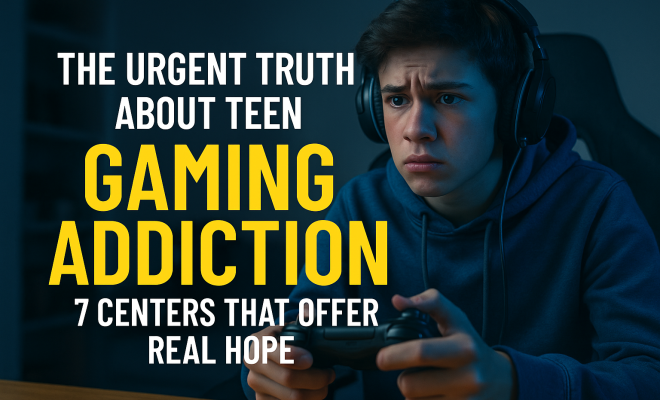
It’s no secret that video games are a massive part of modern life. For many, they’re a fun escape, a way to connect with friends, or even a competitive sport. But what happens when the line between hobby and obsession blurs? For a growing number of teenagers, video games can become a serious addiction, impacting their academics, social lives, and mental health. This isn’t just about playing too much; it’s about a compulsive engagement that mirrors other behavioral addictions, often leading to significant distress and impairment. And with gaming companies facing increasing legal challenges, like the upcoming PSN Digital Games Settlement Fairness Hearing on October 15, 2026, the conversation around corporate responsibility and player well-being is only getting louder.
As a parent, witnessing your teen spiral into gaming addiction can be incredibly frightening and isolating. You might feel helpless, unsure of where to turn. The good news is that specialized help exists. Over the past few years, a number of dedicated treatment centers have emerged, offering tailored programs designed to help teens regain control and find a healthier balance. These aren’t just generic rehabs; they understand the unique psychology behind gaming addiction and how it impacts the developing adolescent brain. Finding the best video game addiction treatment centers for teens is a critical first step towards recovery, and we’re going to explore some of the top options available.
Understanding the Scope of Video Game Addiction in Teens
Before diving into treatment options, it’s crucial to understand what we’re up against. Video game addiction, often referred to as Internet Gaming Disorder (IGD) by the American Psychiatric Association, is characterized by a persistent and recurrent use of the internet to engage in games, leading to clinically significant impairment or distress. This isn’t just about logging many hours; it’s about a loss of control, an escalation of time spent gaming, and a continuation of gaming despite negative consequences. Think about it: when a teen starts neglecting schoolwork, withdrawing from friends and family, or experiencing intense irritability when unable to play, that’s when you know something serious is happening.
The allure of video games is powerful, especially for adolescents. They offer immediate gratification, social connection (even if virtual), a sense of achievement, and often a way to escape real-world pressures. Gaming companies, through sophisticated design choices and monetization strategies, often create environments that are incredibly difficult to disengage from. This isn’t an accident; it’s by design. As the legal landscape shifts, with settlements like the PSN Digital Games one on the horizon, the spotlight is firmly on how these products are engineered and the potential harm they cause, particularly to minors. This context makes the need for effective, specialized treatment even more pressing.
The Rise of Specialized Treatment: Why General Rehabs Won’t Cut It
You might wonder why a general addiction treatment center wouldn’t suffice. While many traditional rehabs offer valuable services, video game addiction presents unique challenges that require a specialized approach. It’s not about detoxing from a substance; it’s about retraining the brain, developing new coping mechanisms, and addressing underlying psychological issues that often fuel the addiction. Teens struggling with gaming addiction often have co-occurring mental health conditions like anxiety, depression, or ADHD, which need to be addressed concurrently.
Specialized centers, which are often the best video game addiction treatment centers for teens, employ therapists and counselors who are not only experts in addiction but also deeply familiar with gaming culture, the psychological triggers within games, and the specific developmental stage of adolescence. They understand the language, the motivations, and the unique world that these teens inhabit, which helps build rapport and trust – essential components of successful treatment. These programs focus on behavioral therapies, family involvement, and skill-building to equip teens with the tools they need to navigate a world where digital entertainment is ubiquitous.
1. Restart Life Center: The Pioneer in Digital Detox
Restart Life Center, located in Fall City, Washington, holds a significant place in the world of digital addiction treatment. It’s often cited as one of the very first residential programs in the United States specifically dedicated to treating internet and video game addiction. Their approach is comprehensive, focusing not just on abstinence from screens but on rebuilding a foundation for a healthy, balanced life. They work with adolescents and young adults, understanding that the issues faced by a 15-year-old are distinct from those of a 25-year-old. (See: impact of gaming on mental health.)
The program at Restart emphasizes experiential therapies, outdoor activities, and skill development, moving away from the highly stimulating digital world. They integrate individual therapy, group therapy, and family counseling to address the multifaceted nature of addiction. Their philosophy revolves around helping individuals discover alternative interests and passions, develop healthier social skills, and improve their overall mental and physical well-being. For parents seeking one of the best video game addiction treatment centers for teens, Restart’s long-standing reputation and specialized focus make it a strong contender. For more context, see impact on mental health.
2. Circle of Hope Girls Ranch: A Gender-Specific Approach in Missouri
While not exclusively focused on video game addiction, Circle of Hope Girls Ranch in Missouri offers a therapeutic residential program for adolescent girls struggling with a variety of behavioral and emotional issues, including excessive screen time and digital dependency. What makes this facility stand out is its gender-specific environment, which can be incredibly beneficial for girls who might face unique pressures and challenges in the digital world. The ranch provides a structured, nurturing setting, often incorporating equine therapy and other animal-assisted interventions, which can be powerful tools for emotional regulation and building self-esteem.
Their program aims to help girls develop healthy coping mechanisms, improve communication skills, and rebuild family relationships. While the term ‘video game addiction’ might not be their sole marketing focus, their comprehensive approach to behavioral health and digital overuse makes them a viable option, especially for parents who believe a single-gender, highly therapeutic environment would be most effective for their daughter. They understand that digital dependency often masks deeper issues like anxiety, depression, or trauma, and their holistic model addresses these underlying concerns.
3. The Light Program: Outpatient Flexibility in Pennsylvania
For some families, a residential program isn’t feasible or necessary. This is where outpatient programs like The Light Program in Pennsylvania come into play. They offer a range of mental health and addiction services, including specialized programming for digital addiction. Their flexibility allows teens to continue living at home and attending school while receiving intensive therapy several times a week. This can be a less disruptive option for those whose addiction hasn’t completely derailed their daily life but still requires significant intervention.
The Light Program typically incorporates individual counseling, group therapy, and family sessions. They focus on cognitive behavioral therapy (CBT) and dialectical behavior therapy (DBT) techniques to help teens identify triggers, challenge distorted thinking patterns, and develop healthier coping strategies. While not a residential center, their specialized outpatient structure offers a robust alternative, proving that some of the best video game addiction treatment centers for teens can be found closer to home, providing crucial support without full residential commitment.
4. Summerland Camps: A Preventative and Interventionist Summer Solution
Summerland Camps offers a unique, often preventative, approach to digital overuse and video game addiction, primarily through summer camp programs. With locations across the country, these camps provide an immersive, tech-free environment where teens can disconnect from screens and reconnect with the real world. While not a traditional ‘rehab’ in the medical sense, their structured programs are highly therapeutic, focusing on building healthy habits, social skills, and self-esteem in a fun, supportive setting.
The camps emphasize outdoor adventure, sports, creative arts, and social skill-building workshops. They teach mindfulness and stress-reduction techniques, helping teens develop a healthier relationship with technology. For teens who are showing early signs of problematic gaming or who need a significant ‘reset’ from constant screen exposure, Summerland Camps can be an incredibly effective intervention. It’s an excellent option for parents looking to pivot their teen’s habits before a full-blown addiction takes hold, or as a step-down program after more intensive treatment, solidifying its place among the best video game addiction treatment centers for teens that offer a unique, camp-based model.
5. Dr. Clifford Sussman’s Practice: Individualized Online Therapy
Sometimes, geographical limitations or personal preferences make in-person residential or even outpatient programs difficult. Dr. Clifford Sussman, a child and adolescent psychiatrist based in Washington D.C., offers specialized online therapy for internet and video game addiction. His practice is a testament to the fact that effective treatment doesn’t always require a physical facility, especially in our increasingly connected world. Dr. Sussman provides individualized treatment plans, often integrating cognitive behavioral therapy (CBT) and motivational interviewing. (See: youth mental health resources.)
His approach focuses on helping teens understand the underlying reasons for their excessive gaming, develop strategies for managing urges, and build a more balanced lifestyle. The online format offers incredible flexibility and accessibility, allowing teens to receive expert care from the comfort of their home, which can reduce anxiety for some. For parents seeking a highly personalized, expert-led, and accessible option, Dr. Sussman’s practice represents one of the best video game addiction treatment centers for teens, albeit in a virtual setting. For more context, see video game addiction and financial implications.
6. Newport Healthcare: Holistic Approach for Co-Occurring Disorders
Newport Healthcare operates a network of residential and outpatient programs across the United States, specializing in mental health, eating disorders, and substance abuse for adolescents and young adults. While not exclusively a video game addiction center, their holistic approach to treating co-occurring mental health disorders makes them highly relevant. It’s rare for video game addiction to exist in a vacuum; it’s often intertwined with anxiety, depression, trauma, or other underlying psychological issues.
Newport’s programs are designed to address the whole person, incorporating individual and family therapy, academic support, experiential therapies (like art, music, and adventure therapy), and robust psychiatric care. They understand that reducing screen time is only part of the solution; helping teens develop emotional resilience, healthy self-esteem, and effective coping strategies for life’s challenges is paramount. Their ability to treat the complex interplay of mental health issues alongside behavioral addictions positions them as a strong choice for parents looking for comprehensive care from one of the best video game addiction treatment centers for teens that can handle multiple diagnoses.
7. The Telos Residential Treatment Center: Equipping Teens for Success
Located in Orem, Utah, Telos Residential Treatment Center offers a sophisticated and highly structured program for adolescent boys and young men struggling with various behavioral and mental health challenges, including digital addiction. Telos prides itself on its therapeutic model that combines academics, clinical therapy, and real-world skill development. They aim to help teens not just overcome their addiction but also prepare them for independent living and future success.
The program focuses on developing executive functioning skills, emotional regulation, and social competence. They integrate individual, group, and family therapy, often utilizing a phased approach that gradually increases privileges and responsibilities as teens demonstrate progress. Their strong academic component ensures that teens don’t fall behind in their studies while receiving treatment. For parents seeking a program that emphasizes practical life skills and academic continuity alongside addiction recovery, Telos is a standout option among the best video game addiction treatment centers for teens, especially for boys.
Key Factors in Choosing the Right Center
With several excellent options available, how do you decide which of the best video game addiction treatment centers for teens is right for your family? It’s a deeply personal decision, and there’s no one-size-fits-all answer. Here are some critical factors to consider:
- Accreditation and Licensing: Ensure the facility is properly licensed by the state and accredited by relevant bodies (e.g., Joint Commission, CARF). This indicates a commitment to quality and safety.
- Specialization: Does the center genuinely specialize in video game or internet addiction, or is it a broader mental health facility? While broader centers can be excellent, those with specific expertise in digital addiction often have more tailored approaches.
- Treatment Philosophy and Modalities: What therapeutic approaches do they use (CBT, DBT, experiential therapy, etc.)? Does their philosophy align with your family’s values?
- Staff Qualifications: What are the credentials and experience of the therapists, counselors, and medical staff? Are they experts in adolescent development and digital addiction?
- Family Involvement: How much does the program involve parents and other family members? Family therapy is often crucial for long-term success.
- Aftercare Planning: What kind of support do they offer once the teen completes the program? A robust aftercare plan is essential to prevent relapse.
- Location and Environment: Consider if a local outpatient program, a residential center close to home, or one in a different environment would be most beneficial for your teen.
- Cost and Insurance: Treatment can be expensive. Understand the costs, what your health insurance for gaming addiction might cover, and any payment plans available. Don’t be afraid to ask for detailed breakdowns.
- Peer Group: For residential programs, consider the other teens your child will be interacting with. A positive and supportive peer environment is vital.
The Role of Family in Recovery
Let’s be clear: a teenager’s recovery from video game addiction isn’t just about the teen themselves; it’s a family affair. Addiction impacts the entire family system, and successful treatment often requires changes within the home environment and family dynamics. Many of the best video game addiction treatment centers for teens recognize this and integrate family therapy into their programs. Parents might need to learn new communication strategies, establish clearer boundaries around screen time, and even examine their own digital habits. It’s about creating a supportive, understanding, yet firm environment that fosters healthy choices.
Family sessions can help mend strained relationships, improve understanding of the addiction, and equip parents with the tools to support their teen’s recovery long after they leave the treatment center. Remember, this isn’t about blame; it’s about collective healing and moving forward together. Your active participation is not just helpful, it’s often critical to the long-term success of the treatment.
Beyond Treatment: Sustaining Long-Term Wellness
Completing a program at one of the best video game addiction treatment centers for teens is a huge accomplishment, but it’s not the end of the journey. Recovery is an ongoing process. Sustaining long-term wellness involves continued vigilance, the application of learned coping skills, and often ongoing support. This might include continued individual therapy, participation in support groups (like reSTART’s alumni program or similar community groups), and a commitment to healthy lifestyle choices.
Developing new hobbies, engaging in physical activity, fostering in-person social connections, and even pursuing academic or vocational goals are all vital components of a fulfilling life post-treatment. It’s about replacing the void left by excessive gaming with meaningful activities that provide a sense of purpose and joy. The goal isn’t just to stop gaming, but to build a life so rich and engaging that the compulsive need to escape into games diminishes naturally. This is where the real transformation happens.
Navigating the world of video game addiction and finding effective treatment for your teen can feel overwhelming, but hope is absolutely available. The specialized centers we’ve explored represent some of the leading options dedicated to helping adolescents reclaim their lives from digital dependency. By understanding the problem, exploring the best video game addiction treatment centers for teens, and actively engaging in the recovery process, you can help your child forge a path towards a healthier, more balanced future. It’s a challenging journey, but one that is profoundly worth taking for the well-being of your child and your family.
Trending Now
Frequently Asked Questions
What are the signs of gaming addiction in teens?
Signs of gaming addiction in teens include a loss of control over gaming habits, prioritizing games over school and social activities, withdrawal symptoms when not playing, and neglecting responsibilities. Additionally, if gaming leads to significant distress or impairment in daily life, it may indicate a serious problem requiring intervention.
How can I help my teenager with gaming addiction?
Helping a teenager with gaming addiction involves open communication, setting limits on gaming time, encouraging alternative activities, and seeking professional help if necessary. Specialized treatment centers can provide tailored programs that address the unique challenges of gaming addiction and support recovery.
What is Internet Gaming Disorder?
Internet Gaming Disorder, as defined by the American Psychiatric Association, refers to a compulsive pattern of gaming behavior resulting in significant impairment or distress. It includes symptoms like excessive gaming time, loss of interest in other activities, and continued gaming despite negative consequences.
Are there treatment centers for gaming addiction?
Yes, there are specialized treatment centers dedicated to addressing gaming addiction in teens. These centers offer tailored programs that focus on the psychological aspects of gaming addiction, helping adolescents regain control and develop healthier habits in a supportive environment.
What impact does gaming addiction have on teenagers?
Gaming addiction can severely impact teenagers by interfering with their academic performance, social interactions, and mental health. It may lead to issues such as anxiety, depression, and social isolation, making it crucial to recognize and address the problem early on.
Agree or disagree? Drop a comment and tell us what you think.