The Tech Edvocate’s Guide to Top Electric Bikes & Scooters
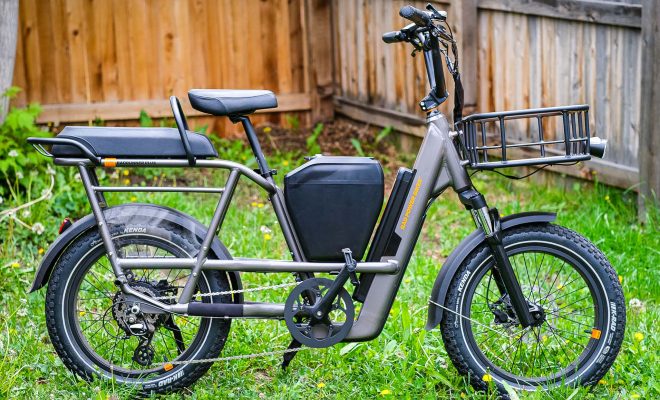
Chapter 1: Introduction to Electric Mobility
The Rise of Electric Transportation
The rise of electric transportation signifies a transformative shift in how we think about mobility. As urban areas continue to grapple with traffic congestion and air quality concerns, electric bikes, tricycles, scooters, and four-wheelers are emerging as viable alternatives to traditional gasoline-powered vehicles. This movement is fueled by advances in battery technology and a growing public awareness of environmental issues, making electric options increasingly appealing for everyday use.
Electric bikes and scooters are leading the charge in this revolution, offering an eco-friendly solution for short commutes and urban travel. Their lightweight design and zero emissions not only reduce carbon footprints but also promote healthier lifestyles by encouraging physical activity. Communities across the globe are investing in infrastructure to support these modes of transport, such as dedicated bike lanes and charging stations, making them more accessible and practical for users.
Tricycles and electric four-wheelers are also gaining popularity, particularly among those who may find traditional bicycles challenging. With their stability and ease of use, electric tricycles provide an excellent option for individuals of all ages, while electric four-wheelers cater to families and commuters needing a little more space. These vehicles represent a significant technological leap, combining convenience with sustainability, thereby expanding the market for electric transportation.
Government initiatives play a crucial role in the rise of electric transportation. Many cities are implementing incentives for electric vehicle purchases, as well as investing in public transport systems that incorporate electric options. These policies not only aim to reduce greenhouse gas emissions but also improve the overall quality of urban life by promoting cleaner air and quieter streets, showcasing the benefits of a collective shift towards electric mobility.
As we look to the future, the rise of electric transportation is not just a trend; it is a movement towards a more sustainable and efficient way of living. With ongoing advancements in technology and a supportive regulatory environment, the electric mobility landscape is set to expand significantly. Consumers are encouraged to explore the various electric options available, from bikes to four-wheelers, and consider how they can contribute to a cleaner planet while enjoying the benefits of modern transportation.
Benefits of Electric Vehicles
Electric vehicles (EVs) offer a multitude of benefits that contribute to a sustainable future and enhance the quality of urban life. One of the most significant advantages is their environmental impact. Unlike traditional gasoline-powered vehicles, EVs produce zero tailpipe emissions, which helps to reduce air pollution and combat climate change. This reduction in harmful emissions not only benefits the planet but also improves public health, particularly in densely populated areas where air quality is a major concern.
In addition to their environmental benefits, electric vehicles are often more cost-effective in the long run. While the initial purchase price of an EV may be higher than that of a conventional vehicle, the savings on fuel and maintenance can quickly offset this difference. Electricity is generally cheaper than gasoline, and EVs have fewer moving parts, which means lower maintenance costs over time. Many governments also offer incentives, such as tax credits and rebates, which can further reduce the overall cost of owning an electric vehicle.
Electric vehicles also provide a smoother and quieter driving experience compared to their gasoline counterparts. The electric motors in EVs deliver instant torque, resulting in quick acceleration and a more responsive driving feel. Additionally, the absence of an internal combustion engine leads to a quieter ride, reducing noise pollution in urban environments. This makes for a more pleasant driving experience, especially in residential areas where noise can be a nuisance.
Another important benefit of electric vehicles is their contribution to energy independence. As more people transition to EVs, the demand for gasoline decreases, which can help reduce a country’s reliance on foreign oil. Furthermore, many EV owners choose to charge their vehicles using renewable energy sources, such as solar or wind power, further promoting sustainable energy use. This shift not only benefits individual consumers but also strengthens national economies by keeping energy spending within local markets.
Finally, electric vehicles are paving the way for advancements in technology and infrastructure. The widespread adoption of EVs is driving innovation in battery technology, charging solutions, and smart grid systems. As more charging stations become available and battery technology improves, the convenience and efficiency of electric vehicles will continue to grow. This technological progress will not only enhance the EV experience but also contribute to a more sustainable and energy-efficient future for all.
Understanding the Different Types of Electric Mobility
Electric mobility encompasses a wide range of vehicles powered by electricity, catering to various needs and preferences. The most common types include electric bikes, scooters, tricycles, and four-wheelers. Each category serves a distinct purpose, from commuting short distances to providing a fun recreational experience. Understanding these differences is essential for consumers looking to make informed decisions about their electric mobility options.
Electric bikes, or e-bikes, are becoming increasingly popular due to their versatility and ease of use. They combine traditional cycling with electric assistance, allowing riders to travel further and tackle challenging terrains with less effort. E-bikes are ideal for urban commuting, as they can navigate traffic efficiently and reduce reliance on cars, thus promoting a more sustainable lifestyle.
Scooters, particularly electric scooters, are another popular choice for urban mobility. They are lightweight, portable, and perfect for short trips. Many cities have adopted scooter-sharing programs, making them easily accessible to residents and tourists alike. Electric scooters offer a quick and eco-friendly alternative to conventional vehicles, appealing to those looking to reduce their carbon footprint while enjoying the convenience of personal transport.
Tricycles offer stability and comfort, making them suitable for a broader demographic, including older adults and those with mobility challenges. Electric tricycles provide an extra boost, making it easier to navigate inclines and longer distances. They are often equipped with features like storage baskets and comfortable seating, ensuring a pleasant riding experience for users of all ages.
Finally, electric four-wheelers, such as cars and utility vehicles, represent a significant shift in how we think about personal transportation. These vehicles not only help in reducing emissions but also come equipped with advanced technologies, enhancing safety and driving experience. As the market for electric mobility continues to evolve, consumers can expect more options that cater to their specific needs, making electric transportation an integral part of the future of mobility.
Chapter 2: Electric Bikes
Overview of Electric Bikes
Electric bikes, often referred to as e-bikes, represent an exciting intersection of technology and transportation. They have gained immense popularity in recent years as a sustainable alternative to traditional bicycles and motor vehicles. With a built-in electric motor that assists with pedaling, e-bikes make cycling more accessible for people of all ages and fitness levels. This overview will explore the various types of electric bikes available, their benefits, and how they fit into the broader context of modern transportation.
One key aspect of electric bikes is their diverse range of models. From commuter bikes designed for urban travel to mountain bikes capable of tackling rugged terrain, there is an e-bike for nearly every type of rider. Many models also come equipped with features like adjustable pedal assist levels, integrated lights, and racks for carrying cargo. This variety allows consumers to choose an e-bike that best meets their specific needs, whether for commuting, recreation, or fitness.
The benefits of electric bikes extend beyond convenience and versatility. They promote a healthier lifestyle by encouraging physical activity while reducing reliance on fossil fuels. E-bikes can help alleviate traffic congestion and decrease carbon emissions, making them an environmentally friendly choice for transportation. Additionally, many riders find that e-bikes make longer distances more manageable and can significantly reduce travel time compared to traditional bicycles.
As technology continues to advance, the capabilities of electric bikes are expanding. Innovations such as improved battery life, faster charging times, and lightweight materials are enhancing the user experience. Furthermore, smart technology is being integrated into e-bikes, allowing riders to track their speed, distance, and battery health through mobile apps. These advancements make e-bikes not only more efficient but also more enjoyable to ride.
In conclusion, electric bikes are reshaping the way we think about personal transportation. With their growing popularity and the variety of options available, e-bikes cater to a wide audience, from casual riders to tech enthusiasts. As we move towards a more sustainable future, embracing electric bikes can play a crucial role in transforming our commuting habits and reducing our environmental impact.
Types of Electric Bikes
Electric bikes, often referred to as e-bikes, come in several distinct types, each catering to different riding styles and purposes. The most common type is the city or commuter e-bike, designed for urban environments. These bikes typically feature a comfortable seating position, fenders, and lights, making them ideal for daily commuting. Their focus is on practicality and ease of use, allowing riders to navigate city streets with minimal effort.
Another popular category is the mountain e-bike, which is built for off-road adventures. These bikes are equipped with robust frames and powerful motors, allowing riders to tackle rugged terrains and steep inclines. With features like wider tires and enhanced suspension systems, mountain e-bikes provide a thrilling experience on trails while still offering the assistance of an electric motor for those challenging climbs.
For those seeking a blend of functionality and fun, the cruiser e-bike is an excellent choice. These bikes are characterized by their stylish designs and comfortable seating, making them perfect for leisurely rides along the beach or through the park. Cruiser e-bikes often come with features like larger tires and relaxed geometries, ensuring a smooth and enjoyable ride.
Folding e-bikes have gained popularity due to their compact design and portability. Ideal for commuters with limited storage space or those who frequently use public transport, these bikes can be easily folded and stored. Despite their smaller size, many folding e-bikes offer impressive performance and battery life, making them a practical option for urban dwellers.
Lastly, cargo e-bikes are designed for those who need to transport goods or children. These bikes typically feature a sturdy frame and additional storage capacity, allowing riders to carry heavier loads with ease. With the assistance of an electric motor, cargo e-bikes make it convenient to run errands or transport items without the strain of traditional biking. Each type of electric bike serves a unique purpose, catering to various needs and preferences, contributing to their growing popularity across different demographics.
Key Features to Consider
When considering an electric bike, tricycle, scooter, or four-wheeler, several key features should guide your decision-making process. One of the most critical factors is battery life. A vehicle with a longer-lasting battery ensures that you can travel greater distances without the need for frequent recharging, making it perfect for commuters or those who enjoy longer rides. Additionally, understanding the charging time is crucial. Some models may take hours to charge fully, while others can reach a significant charge in a shorter amount of time, which can be a game-changer for busy users.
Another essential feature is the motor power, typically measured in watts. A more powerful motor can provide a smoother ride, especially on inclines or uneven terrain. For those who intend to use their electric vehicle for commuting, a motor with adequate power can make the journey more efficient and enjoyable. Coupled with motor power is the vehicle’s speed capability. Knowing the top speed of your chosen model can help you assess its suitability for urban travel or leisurely rides.
Safety features are paramount and should not be overlooked. Look for models equipped with quality brakes, lights, and reflectors to ensure visibility and control during rides. Some electric bikes and scooters also come with additional safety technology, such as anti-lock braking systems (ABS) or stability control, which can greatly enhance rider safety. It’s also wise to consider the build quality and materials used in the construction of the vehicle, as these factors can significantly affect durability and safety.
Comfort is another vital aspect, especially for those planning to use their electric vehicle for extended periods. Features such as adjustable seats, ergonomic grips, and shock-absorbing tires can greatly enhance the riding experience. Ensuring that a model offers a comfortable riding position can reduce fatigue and make your journeys more enjoyable. Furthermore, a lightweight design can ease maneuverability and transport when not in use.
Lastly, consider the overall cost and warranty options available. While it’s tempting to choose the cheapest option, investing in a higher-quality vehicle often pays off in the long run due to better performance and durability. Warranties can provide peace of mind, ensuring that you are covered for repairs or replacements should any issues arise. Evaluating these key features will help you choose the best electric vehicle to meet your needs, providing a satisfying and efficient riding experience.
Top Electric Bike Models
As electric bikes continue to gain popularity, several models have emerged as frontrunners in the market, catering to a variety of riders. One standout is the RadRover 6 Plus, known for its powerful motor and robust build, making it ideal for both commuting and off-road adventures. This model offers impressive battery life and a comfortable riding position, which appeals to those seeking versatility in their electric biking experience.
Another remarkable model is the Trek Allant+ 7, which combines style with performance. Featuring a sleek design and advanced technology, this bike is equipped with a reliable Bosch motor that provides smooth acceleration and a range of up to 70 miles on a single charge. Riders appreciate its responsive handling and the ability to tackle steep hills with ease, making it a favorite among urban commuters.
For those looking for a compact option, the Brompton Electric Bike stands out with its foldable design. Perfect for city dwellers with limited storage space, this bike offers the convenience of easy transport and storage without sacrificing performance. Its lightweight frame and electric assist make navigating through crowded streets a breeze, attracting a diverse range of riders.
The Specialized Turbo Vado SL is another top contender, renowned for its blend of performance and lightweight design. This electric bike is designed for those who value speed and agility, featuring a powerful motor that allows for swift rides. With its sleek aesthetics and advanced technology, it appeals to the tech-savvy cyclist looking for an optimal riding experience.
Lastly, the Ancheer Power Plus Electric Mountain Bike offers an affordable entry point for those new to electric biking. With its sturdy construction and decent performance, this model is ideal for casual riders and those looking to explore trails. It combines ease of use with essential features, making it a great choice for beginners eager to discover the joys of electric biking.
Chapter 3: Electric Tricycles
What is an Electric Tricycle?
An electric tricycle, often referred to as an e-trike, is a three-wheeled vehicle powered by an electric motor. This innovative mode of transportation combines the stability of a traditional tricycle with the advantages of electric propulsion. Electric tricycles are designed to accommodate various users, including those who may have difficulty balancing on a regular bicycle. With the increasing popularity of eco-friendly commuting options, e-trikes have emerged as a practical choice for both leisure and daily travel.
The electric tricycle operates using a rechargeable battery that powers an electric motor, providing assistance to the rider when pedaling. Many models feature pedal-assist technology, which means the motor activates when the rider pedals, making it easier to navigate inclines or cover longer distances without excessive physical exertion. Additionally, some tricycles come equipped with throttles that allow for full electric operation without pedaling, catering to a broader audience.
Electric tricycles come in various designs, from cargo models that can carry heavy loads to sleek, sporty versions intended for speed and agility. The versatility of e-trikes makes them suitable for a wide range of activities, including commuting, running errands, and recreational riding. Their three-wheeled configuration also provides a sense of safety and stability, appealing to older adults and those with mobility challenges.
Safety features are a critical aspect of electric tricycles, with many models equipped with lights, reflectors, and robust braking systems. Some advanced designs also incorporate smart technology, such as GPS tracking and anti-theft alarms, enhancing the overall riding experience. As urban areas become increasingly congested, e-trikes offer a reliable and efficient alternative to traditional vehicles, helping to reduce traffic and carbon emissions.
In summary, electric tricycles represent a convergence of technology, convenience, and sustainability. As more people seek alternate modes of transportation, e-trikes are likely to gain traction as a preferred choice for various demographics. Their unique design and user-friendly features make them an attractive option for anyone looking to embrace the future of mobility while enjoying the outdoors.
Advantages of Electric Tricycles
Electric tricycles present numerous advantages that make them an appealing option for various riders. Their three-wheel design offers enhanced stability and balance, which is particularly beneficial for those who may struggle with the balance required for traditional two-wheeled bikes. This stability allows riders to navigate through urban environments and uneven terrains with confidence, making electric tricycles a practical choice for everyday transportation.
Another significant advantage is the electric tricycle’s eco-friendliness. By utilizing electric power, these vehicles contribute to reducing carbon emissions, promoting a cleaner environment. This aspect is especially appealing to environmentally conscious consumers who wish to minimize their carbon footprint while still enjoying the convenience of personal transportation.
Electric tricycles are also designed with comfort in mind. Many models feature adjustable seats, ample storage space, and ergonomic designs that cater to riders of all ages and abilities. This focus on comfort makes them ideal for leisurely rides, errands, or even commuting, allowing users to enjoy longer journeys without the discomfort often associated with cycling.
Furthermore, the cost of operating an electric tricycle is relatively low compared to traditional vehicles. With fewer moving parts and the absence of fuel costs, maintenance and operational expenses are significantly reduced. Riders can enjoy the benefits of transportation without the financial burden typically associated with owning a car or motorcycle.
Lastly, electric tricycles often come equipped with advanced technology, such as regenerative braking and smart connectivity features. These innovations not only enhance safety but also provide riders with an engaging experience. The combination of technology, comfort, and eco-friendliness makes electric tricycles an excellent option for anyone looking to embrace a modern, sustainable lifestyle.
Popular Electric Tricycle Brands
Electric tricycles are gaining popularity due to their unique combination of stability, efficiency, and ease of use. Among the leading brands, Rad Power Bikes stands out with its innovative designs and robust performance. Their electric tricycles are built with high-quality materials and boast impressive battery life, making them a popular choice for both leisure riders and commuters alike.
Another prominent player in the electric tricycle market is Schwinn. Known for its long history in the cycling industry, Schwinn has successfully adapted to the electric market by offering stylish and reliable tricycles. Their models often feature comfortable seating and user-friendly controls, appealing to riders of all ages and skill levels.
Trek is also a key brand in the electric tricycle sector, offering models that cater to a variety of needs. Their commitment to sustainability and innovation is reflected in their electric tricycles, which often include advanced technology such as integrated lights and smart connectivity features. These elements enhance the riding experience, ensuring that riders feel safe and connected.
Another noteworthy brand is E-Wheels, which focuses on the healthcare market with its electric tricycles designed for seniors and individuals with mobility issues. E-Wheels tricycles often come with additional support features, making them an excellent choice for those seeking independence and mobility. This brand emphasizes comfort and ease of access, allowing users to enjoy the benefits of electric riding without the typical challenges.
Lastly, the brand Blix has emerged as a favorite among urban commuters. Known for their stylish designs and lightweight frames, Blix electric tricycles are perfect for navigating city streets. They combine practicality with aesthetics, offering a solution for those who want an efficient mode of transport without sacrificing style.
Choosing the Right Electric Tricycle
Choosing the right electric tricycle is essential for ensuring a safe and enjoyable riding experience. With a variety of models available on the market, it’s important to consider factors such as purpose, design, and features. Whether you are looking for a tricycle for commuting, leisure, or utility, understanding your needs will help narrow down your options significantly.
One of the first aspects to evaluate is the type of electric tricycle that best suits your lifestyle. For instance, if you plan to use it for daily commuting, a model with a lightweight frame and good battery range should be prioritized. On the other hand, if you intend to use the tricycle for carrying heavy loads, a sturdy design with a larger cargo capacity would be ideal. Knowing your primary use case will guide you toward the right choice.
Battery life is another critical factor to consider when selecting an electric tricycle. Most models come with different battery options, affecting both the range and charging time. It’s essential to assess how far you intend to travel on a single charge and what kind of terrain you will be navigating. A longer battery life will provide more flexibility and reduce the need for frequent recharging, making your rides more convenient.
Additionally, you should evaluate the comfort and safety features of the tricycle. Look for options with ergonomic seats, adjustable handlebars, and reliable braking systems. Safety features, such as lights and reflectors, enhance visibility and protect you during night rides. Investing in a comfortable and safe model will not only improve your experience but also encourage more frequent use.
Finally, don’t forget to consider the maintenance and warranty options available for your electric tricycle. Some brands offer extensive warranties, which can provide peace of mind as you invest in your new ride. Regular maintenance is crucial for the longevity of your tricycle, so choose a model that is easy to service and has readily available parts. By taking these factors into account, you can confidently choose an electric tricycle that meets your needs and enhances your riding experience.
Chapter 4: Electric Scooters
Introduction to Electric Scooters
Electric scooters have emerged as a popular mode of transportation in urban areas, combining convenience, affordability, and eco-friendliness. With the rise of electric mobility, these two-wheeled vehicles have captured the attention of commuters, students, and tech enthusiasts alike. They offer a quick and efficient way to navigate city streets, reducing the need for cars and minimizing traffic congestion. As cities adapt to increasing populations, electric scooters provide a viable solution for sustainable urban mobility.
The technology behind electric scooters has advanced significantly in recent years, with innovations in battery life, motor efficiency, and smart connectivity. Most models are equipped with powerful electric motors that allow for speeds of up to 15-20 miles per hour, making it easy to cover short distances quickly. Additionally, many scooters come with features such as app connectivity, GPS navigation, and anti-theft systems, enhancing the overall user experience and safety.
One of the key benefits of electric scooters is their environmental impact. They produce zero emissions during operation, positioning them as a greener alternative to traditional gasoline-powered vehicles. As cities become more conscious of their carbon footprints, adopting electric scooters helps in the fight against climate change while promoting healthier living through reduced air pollution. This aligns with global efforts to create smarter, more sustainable urban environments.
Moreover, electric scooters are cost-effective, both in terms of purchase price and maintenance. Unlike cars, which require fuel, insurance, and regular servicing, electric scooters have lower operational costs. Riders can save significantly on commuting expenses while enjoying the flexibility to travel at their own pace. This affordability makes electric scooters an attractive option for students and young professionals seeking efficient transportation without breaking the bank.
In conclusion, the introduction of electric scooters marks a significant shift in the way people approach urban commuting. As technology continues to evolve, these vehicles are expected to play an increasingly vital role in shaping the future of transportation. Whether for daily commutes or leisurely rides, electric scooters offer a practical and sustainable choice that caters to the demands of modern life.
Features and Specifications
Electric bikes, tricycles, scooters, and four-wheelers come packed with a range of features and specifications that cater to various needs and preferences. These vehicles are designed to provide an efficient and enjoyable riding experience, often incorporating advanced technologies that enhance performance and safety. Features such as regenerative braking, adjustable speed settings, and smart connectivity are becoming increasingly common, making these vehicles not only eco-friendly but also user-friendly.
One key specification to consider is the power of the motor. Electric bikes typically range from 250W to 750W, affecting their speed and climbing ability. Tricycles and scooters might have different power ratings, impacting their overall performance. Moreover, the battery capacity, usually measured in ampere-hours (Ah), determines how far one can travel on a single charge. Understanding these specifications helps riders choose the right vehicle for their specific commuting needs.
Another important aspect is the design and build quality. Features like lightweight frames, durable materials, and ergonomic seating can greatly influence comfort during rides. For instance, many electric bikes now offer adjustable seats and handlebars to accommodate different rider heights. The inclusion of suspension systems in tricycles and four-wheelers also enhances the riding experience by providing better shock absorption on uneven terrains.
Safety features are paramount in modern electric vehicles. Most models come equipped with bright LED lights, reflectors, and even advanced braking systems to ensure visibility and responsiveness while riding. Some electric scooters and bikes feature integrated anti-theft systems, while others may have smartphone connectivity for tracking and navigation. These safety enhancements are crucial for urban commuters navigating busy streets.
Lastly, the specifications often include considerations for user interface and additional technology. Many electric vehicles now offer digital displays that provide real-time information on speed, battery life, and distance traveled. Some models even support mobile app integration, allowing riders to monitor their performance and customize settings directly from their smartphones. Understanding these features and specifications is essential for anyone looking to invest in an electric ride that meets their lifestyle needs.
Best Electric Scooters for Commuting
Electric scooters have become a popular mode of transportation for daily commuters, thanks to their convenience and eco-friendliness. With advancements in technology, many models now offer impressive features that cater to various commuting needs. Whether you’re navigating busy city streets or enjoying a leisurely ride through parks, the right electric scooter can enhance your commuting experience significantly.
One of the standout options for commuting is the Xiaomi Mi Electric Scooter. Known for its sleek design and robust performance, this scooter boasts a top speed of 15.5 mph and a range of up to 18.6 miles on a single charge. Its lightweight frame makes it easy to carry, while the dual braking system ensures safety during your rides. This model is perfect for those who value both style and functionality in their daily commute.
Another excellent choice is the Segway Ninebot ES4, which offers a smooth ride with its powerful battery and dual-motor system. With a maximum speed of 18.6 mph and a range of about 28 miles, it is designed for longer commutes. The scooter also features front and rear lights for nighttime visibility, making it a reliable choice for those who commute after dark. Its sturdy build and comfortable deck provide a stable riding experience, appealing to both new and seasoned riders.
For budget-conscious commuters, the Gotrax GXL V2 is a fantastic option that doesn’t compromise on quality. This affordable scooter features a maximum speed of 15.5 mph and a range of up to 12 miles. Its solid construction and 8.5-inch tires allow for a comfortable ride over various terrains. Additionally, the GXL V2’s folding design makes it easy to store or carry on public transportation, adding to its practicality for everyday use.
Lastly, the Unagi Model One (E500) stands out with its dual-motor system, providing superior acceleration and hill-climbing capabilities. With a stylish design and a weight of just 26.5 lbs, it combines aesthetics with performance. The scooter can reach speeds up to 20 mph and has a range of 15.5 miles, making it ideal for commuters seeking a high-performance option. Its premium build quality and features make it a top contender for anyone serious about electric commuting.
Safety Tips for Riding Electric Scooters
Riding electric scooters can be an exhilarating experience, but safety should always be your top priority. Before hitting the road, familiarize yourself with the scooter’s features and controls. Ensure that the brakes, lights, and horn are functioning properly. Wearing a helmet is not just a recommendation; it’s essential for protecting your head in case of an accident. Additionally, wear suitable clothing that enhances your visibility, such as bright colors or reflective gear, to make sure you are seen by others on the road.
When riding, always adhere to local traffic laws and regulations. This includes obeying traffic signals, yielding to pedestrians, and using bike lanes where available. Be mindful of your surroundings, and watch for obstacles such as potholes, debris, or uneven surfaces. Riding at a reasonable speed will give you time to react to sudden changes in your environment, reducing the risk of accidents. Remember that even though electric scooters can travel at higher speeds, safety should always come first.
It’s also important to keep a safe distance from other vehicles and riders. Tailgating can lead to dangerous situations, especially in crowded areas. Use hand signals to communicate your intentions to other road users, such as turning or stopping. Being predictable in your movements can help prevent collisions and make your ride safer for everyone. In addition, avoid using headphones while riding; staying alert to your surroundings is crucial for your safety.
Weather conditions can significantly impact your safety while riding an electric scooter. Rain, snow, or ice can create slippery surfaces, making it more challenging to maintain control. It’s wise to avoid riding in adverse weather and to be extra cautious when the pavement is wet. If you must ride in rain, reduce your speed and increase your following distance from other riders and vehicles to allow for longer stopping distances.
Finally, always check your scooter before each ride. Inspect the tires for proper inflation and any signs of wear, as well as the battery level to ensure you won’t run out of power during your journey. Keeping your scooter in good condition will not only enhance your riding experience but will also contribute to your overall safety. By following these tips, you can enjoy your electric scooter while minimizing the risks associated with riding.
Chapter 5: Electric Four-Wheelers
Understanding Electric Cars and SUVs
Electric cars and SUVs represent a significant shift in the automotive landscape, driven by advancements in technology and growing environmental concerns. These vehicles operate primarily on electric energy, which is stored in batteries, making them a more sustainable alternative to traditional gasoline-powered cars. Understanding the mechanics of electric vehicles (EVs) is essential for consumers looking to make informed decisions about their transportation choices.
One of the key components of electric vehicles is the battery system, which has evolved significantly over the years. Modern electric cars are equipped with lithium-ion batteries that offer improved range and charging times. This technological progress has addressed some of the early concerns regarding range anxiety, allowing drivers to travel longer distances on a single charge. The efficiency of these batteries plays a crucial role in the overall performance and appeal of electric SUVs and cars.
In addition to their environmental benefits, electric cars and SUVs often come with lower operating costs compared to their gasoline counterparts. Charging an electric vehicle can be significantly cheaper than refueling a traditional car, especially when utilizing home solar energy systems. Furthermore, many regions offer incentives for electric vehicle owners, including tax credits and rebates, making the transition to electric more financially attractive.
The growing popularity of electric vehicles has also led to an increase in the variety of models available on the market. Consumers can now choose from compact cars to spacious SUVs, all equipped with advanced technology and features. Manufacturers are racing to innovate, providing options that cater to diverse needs and preferences, ensuring that there’s an electric vehicle for everyone.
To fully embrace the potential of electric vehicles, consumers must also consider the infrastructure that supports them. Charging stations are becoming more widespread, though availability can vary by location. Understanding the charging options, such as home charging setups and public charging networks, is essential for maximizing the convenience and efficiency of owning an electric car or SUV. This knowledge empowers drivers to confidently navigate the new landscape of electric transportation.
Comparison with Traditional Vehicles
When comparing electric vehicles, including bikes, tricycles, scooters, and four-wheelers, to traditional gasoline-powered vehicles, several key differences emerge. Electric vehicles (EVs) offer a cleaner, more sustainable alternative, significantly reducing greenhouse gas emissions. In contrast, traditional vehicles contribute heavily to air pollution and are reliant on fossil fuels, which are not only finite but also increasingly expensive. This fundamental environmental impact sets the stage for the growing preference for electric models in urban areas.
One of the most noticeable differences lies in the operational costs. Electric bikes and scooters, for instance, generally incur lower running costs compared to their gasoline counterparts. Electricity prices are often more stable than gas prices, and the maintenance costs for electric vehicles are typically lower due to fewer moving parts. This financial advantage makes electric options increasingly attractive for consumers looking to save money over time while reducing their carbon footprint.
Performance is another critical aspect where electric vehicles start to shine. Many electric bikes and scooters provide instant torque, allowing for quicker acceleration compared to traditional combustion engines. This characteristic not only enhances the riding experience but also makes navigating through traffic much easier. Traditional vehicles often struggle with delays in power delivery, particularly in stop-and-go situations, which can be frustrating for drivers.
Furthermore, the convenience of charging electric vehicles cannot be overlooked. With the growing availability of charging stations and the option to charge at home, the practicality of owning an electric vehicle is improving. In contrast, traditional vehicles require access to gas stations, which may not always be conveniently located. This growing infrastructure for electric vehicles supports their widespread adoption and encourages consumers to make the switch from traditional vehicles.
In summary, the comparison between electric vehicles and traditional vehicles highlights the advantages of sustainability, cost-effectiveness, performance, and convenience. As consumers become more aware of these benefits, the shift towards electric alternatives is likely to continue. This transition represents not only a change in transportation but also a broader movement towards a more sustainable and environmentally friendly future.
Key Considerations for Electric Four-Wheelers
When considering the purchase of an electric four-wheeler, one of the most critical factors to evaluate is the vehicle’s range. Range refers to the distance the vehicle can travel on a single charge, which directly impacts its usability for daily commutes or longer trips. Potential buyers should assess their typical driving distances and match those needs with the specifications of the electric four-wheeler. A vehicle with a limited range may not be practical for those who require longer journeys without frequent recharging stops.
Another vital consideration is the charging infrastructure available in your area. The ease and availability of charging stations can significantly influence the convenience of owning an electric four-wheeler. Buyers should investigate local charging options, including public charging stations and home charging setups. Understanding the charging time required for different models is also essential, as some vehicles offer fast charging capabilities while others may take longer to recharge.
Performance features such as acceleration, handling, and driving comfort are equally important when selecting an electric four-wheeler. Electric vehicles often provide instant torque, which can enhance acceleration and overall driving experience. Potential owners should test drive various models to find one that suits their driving style and comfort preferences. Additionally, considering the vehicle’s weight and design can affect its performance, especially in different driving conditions.
Safety features should not be overlooked when evaluating electric four-wheelers. Many modern electric vehicles come equipped with advanced safety technologies, including collision avoidance systems, lane departure warnings, and adaptive cruise control. Buyers should prioritize vehicles that offer comprehensive safety ratings and robust safety features to ensure a secure driving experience.
Lastly, the overall cost of ownership is a crucial aspect of the decision-making process. This includes not only the purchase price but also maintenance, insurance, and potential tax incentives for electric vehicle owners. Understanding the long-term financial implications can help buyers make an informed decision. By considering these key factors, potential electric four-wheeler owners can better navigate their options and find the perfect vehicle that meets their needs and lifestyle.
Leading Electric Four-Wheeler Models
The world of electric four-wheelers is rapidly evolving, with numerous models making headlines for their innovative technology and eco-friendly features. Leading manufacturers are investing heavily in electric vehicles (EVs) to meet the growing demand for sustainable transportation. As consumers become more environmentally conscious, the shift towards electric four-wheelers has accelerated, leading to a diverse array of models tailored to different needs and preferences.
Among the most notable electric four-wheeler models is the Tesla Model 3, which has gained significant popularity due to its impressive range and cutting-edge technology. Its sleek design, advanced autopilot features, and robust performance make it a top choice for many drivers. Tesla continues to lead the market, consistently pushing the boundaries of what electric vehicles can achieve in terms of speed, range, and overall driving experience.
Another standout model is the Ford Mustang Mach-E, which combines the iconic Mustang styling with modern electric performance. This vehicle offers a spacious interior, advanced connectivity options, and a competitive electric range. Ford’s commitment to electric mobility is evident in the Mach-E, which aims to attract both traditional Mustang enthusiasts and new customers looking for an eco-friendly SUV option.
The Chevrolet Bolt EV is also worth mentioning, as it provides an affordable entry point into the electric vehicle market. With a practical design and a commendable range, the Bolt EV appeals to budget-conscious consumers seeking an efficient, everyday vehicle. Chevrolet has successfully positioned the Bolt EV as a reliable and accessible option for those transitioning to electric driving.
Lastly, the Rivian R1T, an electric pickup truck, showcases the versatility of electric four-wheelers. Designed for adventure, it offers off-road capabilities combined with a sustainable electric powertrain. Rivian’s focus on outdoor enthusiasts highlights the potential for electric vehicles to cater to a wide range of lifestyles, ensuring that the future of transportation remains both exciting and environmentally responsible.
Chapter 6: Charging and Maintenance
Charging Options for Electric Vehicles
Electric vehicles (EVs) have revolutionized the way we think about transportation, and charging options play a critical role in this transformation. With the rise of electric bikes, tricycles, scooters, and four-wheelers, understanding the various charging methods available is essential for both new and experienced users. From standard home charging to public charging stations, the landscape of EV charging is diverse and evolving, catering to different needs and lifestyles.
Home charging is one of the most convenient options for EV owners. Many people choose to install a Level 2 charging station in their garages, which allows for faster charging compared to standard household outlets. This installation can often be done with the help of an electrician, making it a practical choice for those who use their EVs daily. Additionally, many electric bikes and scooters come with portable chargers, allowing users to recharge their vehicles anywhere with a standard outlet.
Public charging stations are becoming increasingly common, providing essential support for those who may not have access to home charging. These stations are typically found in parking lots, shopping centers, and along highways, making long-distance travel more feasible for electric vehicle users. Charging networks like ChargePoint and Electrify America have made it easier to locate these stations through mobile apps, ensuring users can plan their trips effectively. Fast chargers can significantly reduce charging time, giving EV owners flexibility on the road.
For those who prefer a more sustainable approach, solar charging options are also available. Some electric bike and scooter manufacturers offer solar panels that can be attached to charging stations, allowing users to harness the power of the sun to recharge their vehicles. This not only reduces electricity costs but also contributes to a greener lifestyle. As renewable energy becomes more integrated into our daily lives, solar charging may become a popular choice among eco-conscious consumers.
In conclusion, the variety of charging options available for electric vehicles enhances their usability and appeal. Whether you’re charging at home, utilizing public stations, or exploring sustainable solar solutions, there’s a method that fits every lifestyle. As technology advances and the demand for electric transportation grows, these options will continue to expand, making it easier for everyone to embrace the future of mobility.
Battery Maintenance and Lifespan
Maintaining the battery of your electric bike, tricycle, scooter, or four-wheeler is essential for maximizing its lifespan and ensuring optimal performance. Regular maintenance can help prevent common issues such as diminished capacity and reduced range. To begin with, always follow the manufacturer’s guidelines for charging and discharging your battery. Avoid letting it completely discharge, as this can lead to irreversible damage over time. Instead, aim to keep the battery between 20% and 80% charged for the best results.
Temperature plays a significant role in the health of your battery. Extreme heat or cold can adversely affect battery performance and lifespan. Ideally, store your electric vehicle in a climate-controlled environment, especially during long periods of inactivity. If you live in an area with extreme weather conditions, consider investing in a battery management system that can help regulate temperature and provide additional protection.
Cleaning the battery terminals is another important aspect of battery maintenance. Dirt and corrosion can accumulate over time, leading to poor connections and reduced efficiency. Use a soft cloth to gently clean the terminals and ensure they are free from any debris. Regular inspections of the battery casing are also crucial; look for signs of swelling or leakage, which may indicate a need for replacement.
It’s also wise to keep an eye on the battery management system (BMS), which monitors the health and performance of your battery. Many modern electric vehicles come equipped with a BMS that provides valuable information such as charge cycles and battery health indicators. Familiarize yourself with these readings to understand when your battery may need servicing or replacement, ensuring you stay informed about its condition.
Lastly, consider the benefits of a professional battery maintenance service. While DIY maintenance is helpful, an expert can provide thorough inspections and maintenance tasks that might be beyond the reach of the average user. Investing in professional services can prolong the life of your battery and enhance the overall performance of your electric vehicle, allowing you to enjoy your rides for years to come.
Common Issues and Troubleshooting
Electric bikes, tricycles, scooters, and four-wheelers are becoming increasingly popular, but like any technology, they can encounter issues. One common problem is battery failure. Users often report that their vehicle does not hold a charge as well as it used to. This can be due to improper charging habits, such as allowing the battery to deplete completely before recharging, which can shorten its lifespan. Regular maintenance and following the manufacturer’s guidelines for battery care can help mitigate this issue.
Another prevalent issue is tire wear and punctures. Riders may experience flats or degraded tire performance over time, particularly if they use their electric vehicles frequently. It is important to regularly inspect tires for any signs of wear and to replace them when necessary. Additionally, ensuring that tires are inflated to the correct pressure can enhance performance and prolong their life.
Connectivity problems with electric scooters and bikes equipped with smart features can frustrate users. This may include difficulties with syncing the device to a smartphone app or GPS navigation. Ensuring that firmware is up to date and checking Bluetooth connections can often resolve these issues. Users should also familiarize themselves with the troubleshooting sections of their user manuals for specific solutions related to their model.
Mechanical issues, such as brake failure or unusual noises, are also concerns that users may face. Regular checks on the braking system and other moving parts can help prevent accidents. If a user notices any irregularities, it is crucial to address them immediately, either by consulting a professional or by referring to the maintenance guide provided by the manufacturer.
Lastly, users may encounter software glitches in their electric vehicles, particularly in those with advanced electronic systems. These glitches can affect performance or features. Restarting the device or performing a factory reset can often resolve these issues. Keeping software updated and reading through user forums can provide valuable insights into common software-related problems and their solutions.
Chapter 7: The Future of Electric Mobility
Innovations in Electric Vehicle Technology
The field of electric vehicles (EVs) has seen remarkable innovations over the past few years, transforming the way we think about transportation. Advances in battery technology have been pivotal, with lithium-ion batteries becoming more efficient and cost-effective. These improvements allow for longer ranges and shorter charging times, making electric bikes, tricycles, scooters, and four-wheelers more appealing to consumers. As a result, more people are considering EVs as viable alternatives to traditional gasoline-powered vehicles.
Another significant innovation is the development of regenerative braking systems. This technology captures energy that would typically be lost during braking and converts it back into usable power for the vehicle. This not only enhances the efficiency of electric bikes and scooters but also extends the overall battery life. As manufacturers continue to refine this technology, we can expect to see even more efficient models hitting the market.
Smart technology integration is also reshaping the electric vehicle landscape. Many modern EVs now come equipped with advanced features such as GPS navigation, connectivity with mobile apps, and real-time monitoring of vehicle performance. These features enhance the user experience and provide riders with valuable information about their vehicle’s status, including battery health and charging locations. As technology advances, we anticipate even more intuitive interfaces and smart features.
In addition to performance enhancements, the design of electric vehicles has evolved significantly. Manufacturers are now focusing on creating stylish and aerodynamic models that appeal to a broad range of consumers. This shift in design philosophy not only improves the aesthetics of electric bikes and scooters but also contributes to their overall efficiency. With sleek lines and modern finishes, these vehicles are becoming more than just eco-friendly options; they are also fashionable modes of transport.
Lastly, the expansion of charging infrastructure is critical for the growth of electric vehicle adoption. Governments and private companies are investing in charging stations, making it easier for consumers to charge their vehicles. This development is crucial for alleviating range anxiety, a common concern among potential EV buyers. As the network of charging stations continues to grow, we can expect a significant increase in the number of individuals opting for electric mobility solutions.
The Role of Infrastructure in Electric Mobility
The infrastructure surrounding electric mobility plays a crucial role in the adoption and efficiency of electric transportation options. Properly designed infrastructure not only facilitates the use of electric bikes, tricycles, scooters, and four-wheelers but also enhances the overall user experience. Charging stations, dedicated lanes, and maintenance facilities are essential components that contribute significantly to the viability of electric mobility solutions in urban and suburban settings.
Charging stations are perhaps the most visible aspect of electric mobility infrastructure. The availability of convenient and accessible charging points influences the decision-making process for potential users. Strategically placed charging stations can reduce range anxiety, allowing users to feel more confident in their ability to travel longer distances without the fear of running out of battery. This, in turn, encourages more people to consider electric vehicles as a practical alternative to traditional gasoline-powered transportation.
Dedicated lanes for electric vehicles also play a pivotal role in promoting electric mobility. These lanes not only provide a safer environment for electric bike and scooter riders but also help to streamline traffic flow. By segregating electric vehicles from conventional traffic, cities can reduce congestion and create a more pleasant riding experience. This infrastructure development encourages more individuals to choose electric modes of transport over cars, ultimately leading to decreased carbon emissions and a more sustainable urban environment.
Maintenance facilities tailored to electric vehicles are another crucial aspect of infrastructure that should not be overlooked. As electric mobility continues to grow, so does the need for specialized repair and maintenance services. Establishing dedicated maintenance hubs ensures that electric vehicles receive the proper care and attention they require, which can help prolong their lifespan and optimize performance. This will further instill confidence in users regarding the reliability of electric transportation options.
In conclusion, the role of infrastructure in electric mobility cannot be understated. A comprehensive network of charging stations, dedicated lanes, and maintenance facilities is essential for fostering the growth of electric transport solutions. By investing in and improving these infrastructures, cities can support the transition to a more sustainable future, making electric bikes, tricycles, scooters, and four-wheelers not just an option, but a preferred choice for many commuters.
Government Policies and Incentives
Government policies and incentives play a crucial role in the adoption and promotion of electric mobility solutions such as bikes, tricycles, scooters, and four-wheelers. Many countries are increasingly recognizing the need to reduce carbon emissions and enhance urban mobility, leading them to implement supportive regulations and financial incentives. These policies often include tax rebates, grants, and subsidies aimed at both manufacturers and consumers, making electric vehicles more accessible to the general public.
In many cities, governments are also investing in infrastructure to support electric vehicle use, including charging stations and dedicated lanes. This infrastructure development not only facilitates the growth of electric mobility but also encourages individuals to shift from traditional vehicles to electric alternatives. By providing safe and convenient options for commuting, cities can improve overall air quality and reduce traffic congestion.
Another significant aspect of government incentives is the promotion of research and development in electric vehicle technologies. Funding and support for innovative projects are essential to advance battery technology, enhance range, and improve overall vehicle performance. By fostering a competitive environment for tech companies and startups, governments can drive progress in the electric mobility sector, ultimately benefiting consumers with better products.
Public awareness campaigns are also a key component of governmental efforts to encourage electric vehicle adoption. By educating the public on the environmental benefits and cost savings associated with electric bikes, tricycles, scooters, and four-wheelers, governments can help to shift perceptions and increase acceptance of these technologies. Such initiatives can make a significant impact on consumer behavior and drive up sales in the electric mobility market.
Ultimately, the collaboration between governments, manufacturers, and consumers is vital for the success of electric mobility initiatives. Policies and incentives must be well-structured and effectively communicated to ensure widespread adoption. As more individuals embrace these sustainable alternatives, the potential for a cleaner, greener future becomes increasingly achievable, demonstrating the power of governmental support in transforming urban transportation.
Chapter 8: Choosing the Right Electric Vehicle
Assessing Your Needs
Assessing your needs before purchasing an electric bike, tricycle, scooter, or four-wheeler is crucial to ensure you make the right choice. Consider the primary purpose for which you intend to use the vehicle. Are you looking for a daily commuter to navigate through urban traffic, or do you want an off-road vehicle for adventurous trails? Identifying your specific needs will help narrow down your options significantly.
Another important factor to consider is your riding environment. Different terrains require different types of vehicles. For instance, if you plan to ride mostly on paved roads, a sleek electric bike may be ideal. Conversely, if your routes include rough trails or hilly areas, you might need a more robust tricycle or scooter designed for such conditions. Understanding the landscape you will be traversing will guide your decision-making process.
In addition to the environment, it’s essential to evaluate your physical capabilities and preferences. Some riders may prefer a more upright seating position for comfort, while others might enjoy the sporty feel of a low-riding scooter. If you have any physical limitations, consider vehicles with features like adjustable seats or lower step-through frames to make riding easier and more enjoyable.
Budget is another critical aspect of assessing your needs. Electric vehicles come in a wide range of prices, and knowing your financial limits will help you make informed choices. Determine not only the initial purchase price but also consider long-term costs like maintenance, battery replacements, and potential upgrades. This comprehensive financial assessment will ensure that you choose a vehicle that fits your lifestyle without breaking the bank.
Lastly, don’t forget to think about additional features that may enhance your riding experience. This could include storage options for carrying groceries or work essentials, built-in lights for safety, or even smart technology for performance tracking. By thoroughly assessing your needs in these areas, you can confidently select the electric vehicle that best suits your lifestyle and preferences, ensuring a satisfying and practical ride.
Budget Considerations
When considering the purchase of electric bikes, tricycles, scooters, or four-wheelers, budgeting plays a crucial role in the decision-making process. The initial cost of these vehicles can vary significantly based on their features, brand, and specifications. It’s essential to assess your budget realistically and understand what you can afford without compromising on quality or necessary features. Setting a clear budget will help narrow down your options and prevent overspending, which is a common pitfall for many buyers.
In addition to the purchase price, potential owners should also consider ongoing costs associated with ownership. This includes maintenance, insurance, and charging expenses, which can add up over time. For instance, while electric vehicles generally have lower maintenance costs compared to gas-powered alternatives, they still require regular servicing to ensure optimal performance. Understanding these long-term financial commitments is vital for making an informed decision.
Financing options can also influence your budget considerations. Many manufacturers and dealers offer financing plans that can ease the immediate financial burden of purchasing an electric vehicle. Exploring these options may provide you with the flexibility needed to buy a higher-quality vehicle or to afford additional features that enhance your riding experience. However, always read the fine print and ensure that the financing terms are manageable within your overall budget.
Another factor to consider is the potential resale value of the electric vehicle. As the market for electric bikes, tricycles, and scooters becomes more competitive, the depreciation rate can vary greatly. Researching models that retain their value well can save you money in the long run. Take the time to compare different brands and models, paying attention to customer reviews and resale trends to make a smarter investment.
Lastly, consider any government incentives or rebates available for electric vehicle purchases. Many regions offer financial incentives to encourage the adoption of eco-friendly transportation options. These incentives can significantly reduce the overall cost of your electric bike, tricycle, or scooter. By staying informed about available programs, you can maximize your budget and make a more sustainable choice without breaking the bank.
Test Riding and Making a Decision
Test riding an electric bike, tricycle, scooter, or four-wheeler is an essential step in the purchasing process. This hands-on experience allows potential buyers to assess the comfort, handling, and overall feel of the vehicle. When test riding, it’s crucial to pay attention to how the vehicle responds to different terrains and speeds. A model that feels stable and easy to maneuver on a test ride is likely to provide a satisfying experience in everyday use.
Before heading out for a test ride, it’s wise to prepare a checklist of features and specifications that matter most to you. Consider aspects such as battery life, weight, and accessories. During the ride, evaluate how well these factors meet your expectations. A bike that feels heavy or cumbersome can detract from the enjoyment of riding, so ensure that the model aligns with your lifestyle and usage needs.
Safety should always be a top priority while test riding. Make sure to wear appropriate safety gear, including a helmet, and familiarize yourself with the vehicle’s controls before setting off. Test riding in a controlled environment, like a parking lot, can help you get a feel for the vehicle’s braking system and responsiveness without the added pressure of traffic. This practice helps build confidence in your decision-making process.
After the test ride, take a moment to reflect on your experience. Think about how the vehicle performed compared to your checklist and how it felt in terms of comfort and usability. Discuss your ride with knowledgeable sales staff or fellow riders to gain additional insights. Their feedback can be invaluable in helping you weigh the pros and cons of the different models you’ve considered.
Finally, making a decision should be based on a balance of personal preference, practical needs, and budget. Take your time to evaluate all options and don’t hesitate to seek advice from experienced users. Remember, the right electric vehicle should enhance your lifestyle and provide enjoyable, efficient transportation. By carefully considering each aspect of your test ride, you’ll be better equipped to choose the perfect model for your future journeys.
Chapter 9: Riding Responsibly
Understanding Traffic Laws for Electric Vehicles
Understanding traffic laws is crucial for anyone operating electric vehicles (EVs), whether they are electric bikes, tricycles, scooters, or four-wheelers. Different states and localities have varying regulations, so it is vital to familiarize yourself with the specific laws that apply in your area. This understanding ensures not only your safety but also that of others on the road. By adhering to these laws, you contribute to the responsible use of electric vehicles, paving the way for broader acceptance and integration into existing transportation systems.
One primary area of focus is speed limits. Electric vehicles are often subject to the same speed limits as traditional motor vehicles, but some areas have designated limits specifically for EVs, especially for bikes and scooters. Riders should always be aware of their surroundings and adjust their speed accordingly. Additionally, understanding where you can ride is equally important; many municipalities have established bike lanes or shared roadways that are designed for the safe operation of electric vehicles.
Another critical consideration is the use of safety gear. Many regions mandate the use of helmets for electric bike riders and sometimes for scooter operators as well. Understanding these regulations is essential not only for compliance but also for your safety. Wearing appropriate safety gear can significantly reduce the risk of injury in the event of an accident, and it sets a positive example for others in the community who may be new to riding electric vehicles.
Furthermore, the laws regarding parking and charging stations are evolving as electric vehicles become more popular. Many cities are beginning to designate specific parking spots for electric bikes and scooters, which often include charging facilities. Being aware of these regulations can save you from fines and help you find convenient locations to recharge your vehicle. Always look for signage that indicates the rules for parking and charging in public spaces.
Lastly, it’s crucial to stay informed about ongoing changes to traffic laws affecting electric vehicles. As technology advances and the popularity of EVs increases, local and national governments are continuously updating their regulations. Joining local EV clubs or online forums can be beneficial for staying up-to-date with the latest information. By being proactive in understanding and following traffic laws, you not only enhance your riding experience but also contribute to a safer, more efficient transportation landscape for everyone.
Safety Gear and Best Practices
When it comes to riding electric bikes, tricycles, scooters, and four-wheelers, safety should always be the top priority. Wearing appropriate safety gear can significantly reduce the risk of injury in case of accidents. A well-fitted helmet is essential for protecting your head and should meet safety standards. Additionally, wearing reflective clothing can enhance visibility, especially during low-light conditions, making it easier for others to see you on the road.
In addition to helmets, other safety gear such as knee and elbow pads can provide extra protection for your joints. These pads are particularly important for novice riders who may be more prone to falls. Gloves can also improve grip on the handlebars and protect your hands from abrasions. Investing in quality gear not only ensures your safety but also enhances your overall riding experience, allowing you to ride with confidence.
Understanding best practices is just as crucial as wearing safety gear. Always conduct a pre-ride inspection of your vehicle to ensure everything is in working order. Check the brakes, tires, and battery levels before heading out. Additionally, familiarize yourself with local traffic laws and regulations regarding electric vehicles. This knowledge helps you navigate the roads safely and responsibly, minimizing the risk of accidents.
Riding defensively is another key practice to adopt. Keep a safe distance from other vehicles and be aware of your surroundings at all times. Signal your intentions using hand signals or indicators, and make eye contact with drivers whenever possible. This proactive approach can help prevent collisions and enhance your safety on the road.
Lastly, consider taking a safety course designed for electric vehicle riders. These courses often cover essential skills such as maneuvering, emergency stopping techniques, and understanding road signs specific to electric vehicles. By enhancing your knowledge and skills, you become a more competent rider, equipped to handle various situations that may arise while riding. Remember, safety gear and best practices are not just recommendations; they are vital components of a safe and enjoyable riding experience.
Environmental Impact and Sustainability
The environmental impact of transportation is a pressing concern in today’s world, with traditional vehicles contributing significantly to pollution and carbon emissions. Electric bikes, tricycles, scooters, and four-wheelers present a sustainable alternative, offering an eco-friendly mode of transport. By utilizing electric power, these vehicles reduce reliance on fossil fuels, thus lowering greenhouse gas emissions and contributing to cleaner air in urban areas.
Moreover, electric mobility solutions promote sustainability through energy efficiency. Electric vehicles convert a higher percentage of electrical energy from the grid to power at the wheels compared to conventional vehicles. This efficiency not only reduces energy consumption but also maximizes the potential of renewable energy sources, making electric transport a pivotal part of future urban planning.
Battery technology plays a crucial role in enhancing the sustainability of electric vehicles. Advances in battery design and recycling processes are making it easier to minimize the ecological footprint associated with battery production and disposal. Companies are increasingly investing in research to develop batteries that are not only more efficient but also environmentally friendly, further solidifying the commitment to sustainability within the electric mobility sector.
Additionally, the social implications of adopting electric vehicles contribute to a more sustainable future. As communities embrace electric mobility, they often see a shift in urban infrastructure, including the development of bike lanes and charging stations. This increased accessibility not only encourages more people to choose electric options but also fosters a culture of sustainability, promoting healthier lifestyles and reducing traffic congestion.
In summary, the integration of electric bikes, tricycles, scooters, and four-wheelers into daily life represents a significant step towards a more sustainable future. By reducing emissions, enhancing energy efficiency, and promoting community engagement, these vehicles are at the forefront of the green transportation revolution. As technology continues to evolve, the potential for electric mobility to positively impact the environment only grows stronger, making it an essential consideration for future generations.
Chapter 10: Resources and Further Reading
Online Communities and Forums
Online communities and forums have become essential platforms for enthusiasts of electric bikes, tricycles, scooters, and four-wheelers. These digital spaces allow users to share experiences, ask questions, and find support from fellow riders. With the rise of electric mobility, the significance of these communities has only increased, providing a wealth of information and resources that can help both new and seasoned riders make informed decisions.
One of the primary benefits of participating in online forums is the opportunity to connect with like-minded individuals. Whether you are seeking advice on the best models, maintenance tips, or modifications, these communities often have members who have already navigated similar challenges. Engaging in discussions not only enhances your knowledge but also fosters a sense of belonging within the electric mobility community.
In addition to knowledge sharing, online communities often serve as a platform for product reviews and recommendations. Members frequently post about their experiences with specific brands and models, offering insights that can guide potential buyers. This collective wisdom can be invaluable, particularly in a market where new products are continually emerging, and making the right choice can be overwhelming.
Another significant aspect of these forums is the ability to stay updated on trends and innovations in the electric mobility sector. Many communities are quick to discuss new technologies, regulations, and upcoming events, ensuring that members are well-informed. This real-time exchange of information can help riders adapt to changes in the market and make the most of their electric vehicles.
Lastly, online communities and forums often organize meet-ups, rides, and events that allow members to connect in person. These gatherings can strengthen relationships built online and provide opportunities for hands-on experiences with various models and accessories. By participating in these events, riders can deepen their understanding of electric mobility while having fun and networking with fellow enthusiasts.
Recommended Websites and Blogs
In the rapidly evolving world of electric transportation, staying informed is essential. There are numerous websites and blogs dedicated to electric bikes, tricycles, scooters, and four-wheelers, offering valuable insights, reviews, and updates on the latest models and technology. These online resources not only cater to enthusiasts but also to newcomers seeking guidance in making informed choices about their next purchase. The right websites can provide a wealth of information, including product comparisons, user experiences, and expert advice on maintenance and upgrades.
One of the most popular platforms is ElectricBikeReview.com, which provides comprehensive reviews of various electric bikes and accessories. The site features user-generated content, allowing riders to share their experiences and recommendations. With an extensive database of models and a robust forum, this website serves as a community hub for electric bike enthusiasts. Additionally, it offers insights into the latest trends and innovations in the market, making it a must-visit for anyone interested in electric mobility.
For those interested in tricycles and scooters, Scootering.com is an invaluable resource. This website focuses on the unique aspects of electric scooters and tricycles, presenting thorough reviews and comparisons. With an emphasis on performance, design, and functionality, Scootering.com helps consumers navigate their options effectively. The blog also covers industry news, ensuring that readers stay updated on the latest developments in electric mobility.
Another notable mention is the Electric Vehicle Association (EVA) website, which goes beyond personal vehicles to cover broader topics related to electric transportation. The EVA provides information on electric bikes, scooters, and cars, promoting sustainable and eco-friendly transportation choices. Their blog features articles on policy changes, technological advancements, and environmental impacts, making it a valuable resource for those who advocate for greener transportation solutions.
Lastly, don’t overlook social media platforms and YouTube channels dedicated to electric vehicles. Many influencers and experts share their experiences, tutorials, and reviews through engaging video content. These platforms offer an interactive way to learn about electric transportation, providing real-time insights and recommendations from a diverse community of users. Following these channels can enrich your understanding and help you stay connected with the latest in electric mobility.
Books and Documentaries on Electric Mobility
Electric mobility is a rapidly evolving field, and there is a wealth of information available through various books and documentaries. These resources not only provide insights into the technology behind electric bikes, tricycles, scooters, and four-wheelers but also explore the cultural shifts that accompany this transition to greener transportation. Readers can gain a deeper understanding of the benefits and challenges of electric mobility through the eyes of industry experts, innovators, and enthusiasts.
Books such as “The Electric Vehicle Revolution” delve into the historical context and technological advancements that have paved the way for electric mobility. They explore the environmental impact of traditional vehicles and how electric alternatives can contribute to a more sustainable future. These texts are essential for anyone looking to grasp the significance of electric transportation in today’s world.
Documentaries also play a crucial role in educating the public about electric mobility. Films like “Charge” highlight real-world experiences of individuals making the switch to electric vehicles. Through personal stories and expert interviews, these documentaries provide a compelling narrative that resonates with viewers, illustrating both the potential and the obstacles faced in this new frontier.
In addition to individual stories, many documentaries focus on the broader implications of electric mobility on urban planning and infrastructure. They discuss how cities are adapting to accommodate electric vehicles and the necessary changes to public transportation systems. This information is invaluable for policymakers, city planners, and anyone interested in the future of urban mobility.
Finally, the combination of books and documentaries creates a comprehensive educational landscape for anyone interested in electric mobility. By engaging with these resources, readers and viewers can develop an informed perspective on the future of transportation, empowering them to make choices that align with their values and the needs of the planet. As the electric mobility movement continues to grow, staying informed through these mediums will be essential for both consumers and advocates alike.