2026 Study: Food Prep Skills & Childhood Obesity Risk
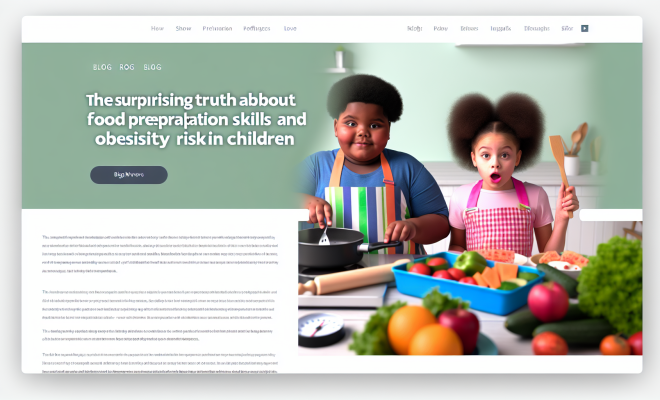
In an age where childhood obesity has reached alarming levels, researchers are delving deeper into the factors contributing to this epidemic. A groundbreaking study from 2026 has unearthed some counterintuitive associations between food preparation skills and obesity risk in children, particularly in European children aged 6-9 years. These findings are rapidly sparking conversations among parents and educators regarding the impact of simple kitchen tasks on children’s health.
The Study Unveiled
The research, published in a leading medical journal, examined various food preparation skills commonly practiced by children and how these skills correlate with obesity risk. The study focused on a range of activities, including washing, chopping, grating, mashing, weighing, and peeling. Astonishingly, the study found that certain skills could actually increase the risk of obesity in children.
Key Findings
- Skills like washing, chopping, grating, mashing, and weighing were linked to a 4-13% increase in obesity odds.
- On the flip side, skills such as peeling and measuring had a mitigating effect, reducing obesity risk by 15% and 4%, respectively.
- Girls were more inclined to engage in washing, mashing, peeling, and chopping, whereas boys tended to dominate activities like weighing and measuring.
- Regardless of the increased obesity risk associated with certain skills, home-practiced skills modestly enhanced fruit and vegetable intake among children.
Understanding the Numbers
To put these percentages into perspective, the increase in obesity odds through skills like washing and chopping could seem negligible at first glance. However, in the context of a child’s overall lifestyle and dietary habits, these seemingly small percentages can accumulate, leading to significant health implications over time. In fact, the research indicates that while some skills may help children engage with food, they may inadvertently lead to unhealthy eating patterns.
Why Certain Skills Increase Obesity Risk
The reasons behind these correlations are complex and warrant further investigation. One possible explanation is that skills such as chopping and mashing are often associated with the preparation of energy-dense foods. Children who engage in these activities might be more inclined to choose comforting, calorie-rich meals instead of healthier options. Furthermore, the social dynamics in the kitchen, influenced by parental guidance and cultural norms, can determine how children perceive different foods and their nutritional value.
Gender Differences in Food Preparation Skills
Another significant aspect of the study was the stark gender differences in food preparation activities. The research highlighted that girls tend to embrace skills like washing, mashing, peeling, and chopping more than boys. On the contrary, boys showed a preference for weighing and measuring. These differences raise important questions about societal norms and the way children are introduced to cooking.
Cultural Implications
The division in food preparation skills between genders sheds light on cultural implications that may reinforce traditional roles. Girls often receive more encouragement to engage in nurturing activities, which include cooking, leading to a disparity in how boys and girls relate to food preparation. This disparity can have long-term effects on their dietary habits and their understanding of nutrition.
The Importance of Targeted Education
Given the study’s findings, there is a clear need for targeted education in food preparation that addresses these gender differences. Initiatives should focus on encouraging boys to participate in kitchen activities that have been traditionally viewed as female-oriented. This includes not only cooking but also understanding the nutritional value of various foods and learning how to prepare balanced meals.
Empowering Children Through Cooking
Cooking is much more than just a functional skill; it can be a powerful tool to promote healthy eating patterns among children. By fostering an environment where children are encouraged to explore various food preparation skills, parents can help instill a sense of autonomy and responsibility towards their dietary choices. Some practices that can be implemented include:
- Encouraging experimentation: Allow children to try their hand at different meal components, from washing to chopping, to see how they can create balanced dishes.
- Promoting healthy foods: Focus on skills that incorporate fruits and vegetables, which can help counterbalance the risk associated with other skills.
- Engaging boys and girls equally: Encourage all children to participate in a variety of food preparation tasks to dismantle gender stereotypes.
The Role of Parents and Caregivers
Parents play a fundamental role in shaping their children’s attitudes towards food and cooking. By actively participating in their child’s culinary education, parents can provide guidance on making healthier choices. This involvement not only boosts children’s food preparation skills but also enhances their understanding of nutrition, leading to more informed dietary decisions.
Practical Tips for Parents
- Make it a family affair: Involve the whole family in meal preparation. This can nurture cooperation and shared responsibility.
- Set a positive example: Model healthy eating behaviors and attitudes towards food, as children often mimic their parents’ actions.
- Educate through fun: Use cooking as an opportunity to teach children about nutrition in an engaging manner, such as creating recipes that highlight healthy ingredients.
The Potential Impact on Childhood Obesity Rates
As discussions surrounding childhood obesity continue to intensify, the implications of the study cannot be overlooked. By reevaluating how food preparation skills are taught and perceived, there is potential for substantial impact on childhood obesity rates. Understanding the nuances of how certain skills affect dietary choices can lead to improved strategies in nutrition education.
Future Research Directions
The findings of this study open the door for further research into the relationship between food preparation skills and obesity in children. Future studies could explore:
- The long-term effects of improved food preparation skills on children’s dietary habits.
- Intervention strategies that incorporate food preparation skills to reduce obesity rates.
- The potential differences in food preparation habits across various cultural groups and their impact on obesity risk.
Conclusion
In conclusion, the study highlighting the connection between food preparation skills and obesity risk in children illustrates the importance of reevaluating how we approach culinary education. By understanding the behaviors associated with different skills and addressing the gender disparities in kitchen tasks, we can equip children with the necessary tools to make healthier food choices. As parents and caregivers, the responsibility lies with us to nurture a generation that is not only skilled in the kitchen but also empowered to lead healthier lives.