Industrial Furniture Trends 2026: Reshaping Your Living Space
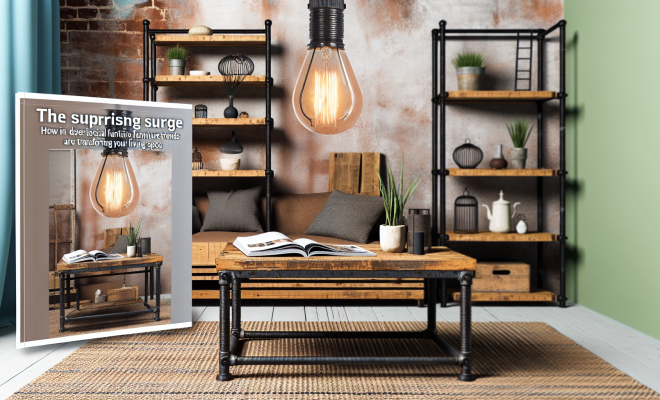
In early 2026, industrial furniture has taken the design world by storm, experiencing its most significant surge yet. This trend isn’t just a fleeting moment; it marks a genuine shift away from past aesthetics, with all major categories of industrial furniture reaching unprecedented Google search highs. As consumers increasingly gravitate towards authentic, durable pieces that offer both functionality and a sense of warmth, the industrial furniture trend is reshaping how we perceive and utilize our living and working spaces.
Understanding the Surge in Industrial Furniture Trends
The simultaneous spike in interest across various furniture subcategories highlights a clear and coordinated movement within the design community. Unlike previous cycles that often recycled industrial design, this surge signifies a newfound appreciation among consumers for tactile, substantial furnishings infused with character and craftsmanship. Analysts point to a post-pandemic shift in consumer priorities, where the desire for authenticity and durability takes precedence over the minimalist trends that dominated previous years.
The Role of Social Media in Shaping Trends
The power of social media cannot be underestimated when it comes to understanding industrial furniture trends. Platforms like Instagram and TikTok have played pivotal roles in popularizing this aesthetic. Influencers and lifestyle content creators are sharing before-and-after transformations of spaces that feature industrial furniture, generating a sense of urgency and FOMO (fear of missing out) among design-conscious consumers.
This viral potential is amplified by the emotional resonance these transformations evoke. Viewers are not merely observing; they are inspired to create their own inviting spaces filled with warmth and character. The dramatic scale of increased search volume for industrial furniture reflects this trend and the shifting consumer mindset.
Key Characteristics of the Industrial Furniture Trend
As we delve deeper into what defines the current wave of industrial furniture trends, it becomes clear that several key characteristics set it apart from previous iterations:
- Authenticity: Consumers are increasingly drawn to pieces that tell a story. Whether crafted from reclaimed materials or designed to showcase their raw, unpolished nature, authenticity is at the forefront of consumer desires.
- Durability: In a world where fast furniture dominates, consumers are seeking sturdy, lasting pieces that can withstand the test of time. This trend aligns with a growing focus on sustainability and responsible consumption.
- Warmth: The modern approach to industrial design emphasizes comfort and warmth, contrasting sharply with the cold, minimalistic tendencies of years past. This evolution includes softer color palettes and the integration of natural materials.
- Multifunctionality: In response to changing lifestyles, industrial furniture must also serve multiple purposes. Consumers are looking for pieces that enhance both utility and aesthetic appeal.
The Influence of Post-Pandemic Mindset
The COVID-19 pandemic has had profound effects on consumer behavior and preferences. With more people spending time at home than ever before, the desire for inviting and functional living spaces has surged. Industrial furniture trends have emerged as a direct reflection of this shift, providing consumers with furnishings that convey permanence and craftsmanship.
As individuals seek to create spaces that feel warm and lived-in, the industrial aesthetic—characterized by its rugged, utilitarian charm—fills a void left by minimalist designs that can sometimes feel stark and impersonal. The warm warehouse trend invites a sense of nostalgia and comfort that resonates deeply with modern consumers.
How to Incorporate Industrial Furniture Trends into Your Space
For those looking to embrace the industrial furniture trends in their own homes or workplaces, several key strategies can help achieve the desired aesthetic:
- Mix and Match: Combine industrial pieces with complementary styles, such as mid-century modern or Scandinavian influences, to create a balanced look that feels cohesive yet dynamic.
- Play with Textures: Incorporate a variety of materials, including wood, metal, and leather, to add depth and interest to your space. Textural contrast can elevate the overall design and make it more inviting.
- Embrace Open Spaces: Industrial design often features open layouts and high ceilings. If possible, consider how you can achieve a sense of spaciousness in your design to align with this aesthetic.
- Focus on Lighting: Industrial-style lighting fixtures, such as Edison bulbs or pendant lights, can enhance the overall atmosphere. Ensure that lighting choices complement the warm warehouse trend.
- Personalize Your Space: Incorporate personal touches and unique decor items that reflect your personality and interests. This could be through artwork, plants, or other curated pieces that add warmth to the industrial aesthetic.
The Future of Industrial Furniture Trends
As we look ahead, it is clear that industrial furniture trends are not a passing phase but rather a fundamental shift in how consumers approach design. The emphasis on authenticity, durability, and warmth will likely continue to resonate with individuals as they seek to create spaces that reflect their values and lifestyles.
As sustainability becomes an even more pressing concern, expect to see more eco-friendly options within the industrial furniture realm. Designs that utilize reclaimed materials or sustainable production processes will gain traction, aligning with consumer demands for responsible consumption.
Conclusion
The warm warehouse trend in industrial furniture represents a significant evolution in the world of design, capturing the hearts and homes of consumers everywhere. This surge is not merely a revival but a genuine response to changing priorities and desires, driven by the quest for authenticity, durability, and warmth in our living spaces.
As this trend continues to gain momentum, it invites individuals to rethink their approach to design, valuing pieces that tell a story and enhance their everyday lives. The industrial furniture trends of today are about more than just aesthetics; they embody a deeper connection to craftsmanship and the human experience.