The Silent Threat: 8 Ways LA Air Quality Is Worsening – And How to Protect Yourself
“`html
When you think of Los Angeles, you probably picture sunshine, palm trees, and maybe even a celebrity sighting or two. But there’s a less glamorous, far more concerning reality that often hangs over the City of Angels: its air quality. For decades, LA has grappled with some of the worst air pollution in the nation, and while strides have been made, recent trends, particularly during wildfire season and heatwaves, are pushing LA air quality into genuinely hazardous territory. It’s no longer just an abstract environmental concern; it’s a daily health risk that dictates whether you can safely go for a jog, take your kids to the park, or even just breathe easy indoors.
The immediate impact of poor air quality is palpable. You feel it in your chest, the scratch in your throat, the dull ache behind your eyes. This isn’t just an inconvenience; it’s your body reacting to a cocktail of harmful pollutants. It’s why search trends for things like ‘wildfire smoke masks,’ ‘best air purifier for ozone,’ and ‘is it safe to exercise outside today LA’ spike whenever air quality alerts hit the news. People aren’t just curious; they’re actively looking for solutions and reassurance in real-time. Even healthy individuals, according to AccuWeather’s Air Quality Index (AQI) page for Los Angeles, can experience difficulty breathing and throat irritation with prolonged exposure during these periods. The advice is stark: avoid outdoor activities. But what exactly is driving this persistent, often worsening, problem? Let’s break down the key factors.
1. Wildfire Smoke: A Choking Haze Over Southern California
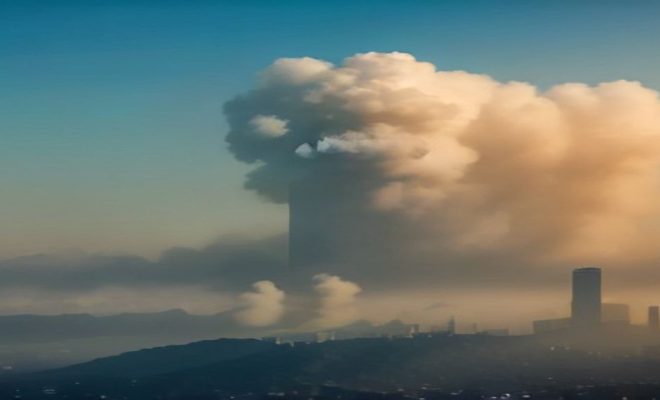
Wildfires have become an increasingly common, and devastating, feature of the California landscape, especially in recent years. While the fires themselves cause immense destruction, the smoke they generate poses a widespread and insidious threat to LA air quality, often blanketing vast areas hundreds of miles from the actual blaze. This smoke isn’t just harmless vapor; it’s a complex mix of particulate matter, gases, and volatile organic compounds (VOCs) released from burning vegetation, homes, and even plastics.
The most dangerous component is fine particulate matter, known as PM2.5. These microscopic particles, smaller than a human hair, can penetrate deep into the lungs and even enter the bloodstream. When wildfire smoke drifts into populated areas like Los Angeles, PM2.5 levels can skyrocket, turning the sky an eerie orange or gray and making the air difficult to breathe. This isn’t just about visibility; it’s about a direct assault on respiratory and cardiovascular health, leading to increased emergency room visits for asthma attacks, bronchitis, and heart-related issues. The long-term effects of repeated exposure, particularly for children and the elderly, are still being studied but are certainly a serious concern.
2. Ground-Level Ozone: The Invisible Irritant
While wildfire smoke is often visible and immediately alarming, ground-level ozone is a far more insidious pollutant. Unlike the protective ozone layer high in the atmosphere, ground-level ozone is a harmful air pollutant that forms when nitrogen oxides (NOx) and volatile organic compounds (VOCs) react in the presence of sunlight. And where do NOx and VOCs come from? Largely from vehicle exhaust, industrial emissions, and chemical solvents – all abundant in a metropolitan area like Los Angeles.
LA’s sunny, warm climate, combined with its notorious traffic congestion and sprawling urban development, creates a perfect breeding ground for ozone formation. It’s often referred to as the primary component of smog, and its concentrations tend to peak during hot summer afternoons. Breathing ozone can cause chest pain, coughing, throat irritation, and airway inflammation. For people with asthma, emphysema, or chronic bronchitis, it can trigger severe attacks. Even healthy people who are active outdoors, like those running or cycling, can experience reduced lung function and respiratory discomfort when ozone levels are high, making those outdoor workouts a risky proposition. (latest alarming report)
3. Vehicular Emissions: The Freeway’s Foul Breath
Let’s be honest, LA and cars are practically synonymous. Miles of freeways crisscross the region, and daily commutes are often measured in hours, not minutes. This love affair with the automobile, while offering unparalleled freedom and mobility, comes with a steep environmental price, significantly impacting LA air quality. Every time you drive, your vehicle emits a cocktail of pollutants: nitrogen oxides (NOx), carbon monoxide (CO), volatile organic compounds (VOCs), and particulate matter (PM).
Even with stricter emission standards and the growing popularity of electric vehicles, the sheer volume of cars, trucks, and buses on LA roads means that vehicular emissions remain a dominant source of air pollution. These pollutants contribute directly to the formation of ground-level ozone and fine particulate matter, which are the two most pervasive air quality problems in the region. The exhaust from millions of internal combustion engines, particularly during peak traffic hours, creates a persistent, low-level haze that residents breathe in day after day, contributing to chronic respiratory illnesses and other health issues.
4. Heatwaves and Stagnant Air: A Recipe for Pollution
Los Angeles is known for its warm weather, but increasingly frequent and intense heatwaves are exacerbating the region’s air quality problems. High temperatures don’t just make you sweat; they play a critical role in the chemistry of air pollution. Specifically, heat accelerates the chemical reactions that form ground-level ozone from its precursor pollutants (NOx and VOCs). The hotter it gets, the more ozone is created, especially on those long, sunny summer days that define the LA experience.
Beyond the chemical reactions, heatwaves often coincide with periods of stagnant air. This means there’s less wind to disperse pollutants, effectively trapping them closer to the ground. Imagine a giant, invisible lid pressing down on the city, concentrating all the emissions from cars, industries, and other sources. This combination of increased pollutant formation and reduced dispersion creates a dangerous feedback loop, leading to dangerously high levels of ozone and particulate matter that can linger for days, making it genuinely unsafe for anyone to be outdoors for extended periods.
5. Port and Industrial Emissions: Hidden Harms
Los Angeles is home to two of the busiest ports in the world: the Port of Los Angeles and the Port of Long Beach. These massive logistical hubs are vital to the global economy, but they also represent a significant source of air pollution. Ships, trucks, trains, and port equipment all generate substantial emissions, including diesel particulate matter, nitrogen oxides, and sulfur oxides. These pollutants contribute directly to the poor LA air quality, particularly in communities located near the ports and along major transportation corridors. (See: CDC on air pollution effects.)
Beyond the ports, Southern California still has various industrial facilities, though many have cleaner technologies than in decades past. Refineries, manufacturing plants, and other operations contribute to the regional pollutant load, releasing a range of chemicals and particulates into the atmosphere. While regulations have tightened, the cumulative effect of these point sources, combined with mobile sources and natural factors, remains a persistent challenge for air quality management, demanding continuous vigilance and technological upgrades.
6. Geographical Factors and Inversions: Trapping the Toxins
Los Angeles’s stunning geography – nestled between mountains and the Pacific Ocean – is a double-edged sword when it comes to air quality. While the mountains provide a dramatic backdrop, they also act as a natural barrier, trapping air pollutants over the LA basin. On typical days, warmer air near the ground rises, carrying pollutants with it, where they can disperse. However, Southern California frequently experiences what’s known as a ‘temperature inversion.’
During an inversion, a layer of warm air settles above a layer of cooler air closer to the ground. This warm air layer acts like a lid, preventing the cooler, polluted air below from rising and dispersing. Essentially, the pollutants get trapped in the basin, concentrating to dangerous levels. This phenomenon, often exacerbated by the onshore flow of cool ocean air under warmer upper atmospheric conditions, is a fundamental reason why LA air quality has historically been, and continues to be, so challenging to manage. It’s a natural atmospheric setup that conspires against clean air.
7. Agricultural Emissions: A Less Obvious Contributor
When most people think of LA, agriculture isn’t the first thing that comes to mind. However, Southern California, particularly areas further inland, still has significant agricultural activity. And agriculture, surprisingly, can be a notable contributor to air pollution, sometimes impacting LA air quality. Farming practices, such as tilling fields, using certain fertilizers, and livestock operations, can release various pollutants into the atmosphere.
For instance, ammonia emissions from fertilizers and animal waste can react with other pollutants to form fine particulate matter (PM2.5) and contribute to ozone formation. Dust generated from tilling and harvesting can also add to the particulate load, especially on windy days. While perhaps not as dominant as vehicular or industrial emissions in the immediate LA basin, these agricultural sources in broader Southern California can certainly contribute to regional haze and impact downwind communities, adding another layer of complexity to the overall air quality challenge.
8. Everyday Household Products: The Indoor Culprits
It’s easy to point fingers at cars and factories, but our own homes can also contribute to the soup of pollutants that impact LA air quality, both indoors and out. Many common household products contain volatile organic compounds (VOCs) that off-gas into the air. Think about the strong smell when you’re painting a room, using certain cleaning supplies, or even applying personal care products like hairspray or nail polish.
These VOCs don’t just stay inside; they can escape into the outdoor air, contributing to the formation of ground-level ozone, especially on hot, sunny days. While individual household contributions might seem small, the cumulative effect across millions of homes in a dense urban area like Los Angeles can be significant. This highlights that improving LA air quality isn’t just about large-scale industrial changes; it also involves making more conscious choices about the products we use daily, both for our indoor health and the broader environment.
The Health Ramifications: Beyond a Scratchy Throat
We’ve touched on some of the immediate discomforts of poor LA air quality, like throat irritation and breathing difficulties. But the health ramifications extend far beyond these temporary annoyances. Chronic exposure to the cocktail of pollutants found in LA air can have serious, long-term consequences for almost every system in the body.
Respiratory System
This is the most obvious target. Constant exposure to PM2.5 and ozone can lead to a significant decline in lung function over time. For children, this might mean impaired lung development, making them more susceptible to respiratory infections and lifelong conditions like asthma. Adults can develop chronic bronchitis, emphysema, and even lung cancer. The tiny particles and irritating gases inflame airways, making them hyper-responsive and vulnerable to damage.
Cardiovascular System
This is where things get particularly concerning. PM2.5 particles are so small they can enter the bloodstream and travel to the heart. There, they can contribute to hardening of the arteries (atherosclerosis), increase blood pressure, and trigger heart attacks and strokes. Studies have shown a clear link between periods of high air pollution and increased hospital admissions for cardiovascular events. People with pre-existing heart conditions are especially at risk, but even healthy individuals face elevated risks with prolonged exposure.
Neurological System
Emerging research is drawing connections between air pollution and neurological health. There’s growing evidence suggesting that fine particulate matter can cross the blood-brain barrier, potentially contributing to inflammation and oxidative stress in the brain. This has implications for cognitive function, mental health, and even neurodegenerative diseases like Alzheimer’s and Parkinson’s. While still an active area of study, it adds another layer of gravity to the air quality discussion. This builds on global air quality issues.
Reproductive and Developmental Health
The impact of air pollution isn’t limited to adults. Studies have indicated potential links between exposure to high levels of pollution during pregnancy and adverse birth outcomes, including low birth weight, premature birth, and developmental issues. Children, whose organs are still developing, are particularly vulnerable to the long-term effects of pollution, which can influence everything from their respiratory capacity to their cognitive development. (See: WHO facts on air quality and health.)
Policy and Progress: The Ongoing Battle for Cleaner Air
It’s not all doom and gloom. Los Angeles has a long history of grappling with air pollution, and significant progress has been made since the truly infamous “smog days” of the mid-20th century. This progress is largely due to stringent environmental regulations and the tireless efforts of agencies like the California Air Resources Board (CARB) and the South Coast Air Quality Management District (SCAQMD).
Historic Milestones
- Catalytic Converters: Mandated in the 1970s, these devices dramatically reduced emissions from vehicles.
- Cleaner Fuels: California has some of the strictest fuel standards in the nation, leading to lower sulfur and other harmful components in gasoline and diesel.
- Industrial Regulations: Stricter permits and emission controls have been imposed on factories, refineries, and power plants.
- Smog Checks: Regular vehicle inspections help ensure cars are running as cleanly as possible.
Current Challenges and Future Strategies
Despite these successes, the region still struggles to meet federal air quality standards, especially for ozone and PM2.5. The sheer population density, continued reliance on internal combustion engines, and the increasing threats of climate change (leading to more wildfires and heatwaves) present formidable obstacles. Future strategies are focusing on:
- Zero-Emission Vehicles (ZEVs): Aggressive targets for ZEV sales and infrastructure development aim to phase out gasoline cars.
- Electrification of Ports and Freight: Incentives and mandates are pushing for electric trucks, cargo handling equipment, and cleaner shore power for ships.
- Renewable Energy: Shifting away from fossil fuels for electricity generation reduces industrial emissions.
- Land Use Planning: Promoting denser, mixed-use developments and public transit can reduce vehicle miles traveled.
- Wildfire Prevention and Management: Investing in forest health and rapid response capabilities to mitigate smoke impacts.
The path to truly clean air in LA is a continuous uphill battle, requiring constant innovation, political will, and public cooperation. But the historical context shows that improvements are possible with sustained effort.
Expert Perspectives: Insights from the Front Lines
To truly understand the multifaceted challenge of LA air quality, it’s helpful to hear from experts who dedicate their careers to studying and combating pollution.
Dr. Michael Jerrett, Professor of Environmental Health Sciences at UCLA: “Los Angeles has been a living laboratory for air pollution research for decades. While we’ve seen remarkable improvements in some pollutants, the rise in wildfire frequency and intensity, coupled with persistent ozone issues, means we’re still contending with significant public health burdens. The challenge now is to adapt our strategies to a changing climate, while also addressing the legacy sources of pollution that still impact vulnerable communities.”
Ms. Sarah Rees, Deputy Executive Officer at the South Coast Air Quality Management District (SCAQMD): “Our mission is to achieve clean air for all residents. We’re constantly working on new regulations, incentive programs, and monitoring technologies. One of our biggest pushes right now is the transition to zero-emission technologies across all sectors – from cars and trucks to lawn equipment. It’s a massive undertaking, but it’s essential for meeting health-based air quality standards and protecting public health.”
Dr. Jonathan Samet, Dean of the Colorado School of Public Health (formerly at USC): “The long-term health effects of air pollution are undeniable. We’re seeing links to chronic diseases, neurodevelopmental issues, and increased mortality. For LA, the combination of urban emissions, regional transport, and increasingly frequent extreme events like wildfires creates a complex exposure profile. Public health messaging needs to be clear, advising residents on how to protect themselves, especially during high pollution days.”
These perspectives underscore the complexity of the problem, the ongoing efforts to address it, and the critical importance of public health in all air quality discussions.
What Can You Do When LA Air Quality Takes a Dive?
Given these persistent challenges, what’s a resident or visitor to do when the air quality alerts flash red? First and foremost, pay attention to real-time air quality reports. Apps and websites like AccuWeather, the EPA’s AirNow, or the SCAQMD provide up-to-the-minute AQI readings for your specific location. When the AQI is high, particularly for ozone or PM2.5, the advice is clear: minimize prolonged outdoor exposure. This means rescheduling your run, keeping kids indoors for recess, and generally limiting strenuous activities outside.
Indoors, you can take proactive steps. Running an air purifier with a HEPA filter can significantly reduce indoor particulate matter, including wildfire smoke. Ensuring your HVAC system has a high-efficiency filter (MERV 11 or higher) and keeping windows and doors closed when outdoor air quality is poor are also crucial. For those particularly sensitive or with underlying health conditions, wearing an N95 or KN95 mask outdoors during severe pollution events can offer a degree of protection. Ultimately, staying informed and taking personal precautions are your best defenses against the silent, invisible threat of poor LA air quality. (See: New York Times on California air quality.)
Frequently Asked Questions About LA Air Quality
Q1: What is the Air Quality Index (AQI) and how should I interpret it?
The AQI is a color-coded scale from 0 to 500 that tells you how clean or polluted your air is, and what associated health effects might be a concern. A higher AQI value means greater air pollution and greater health risk. Here’s a quick breakdown:
- 0-50 (Green): Good – Air quality is satisfactory, and air pollution poses little or no risk.
- 51-100 (Yellow): Moderate – Air quality is acceptable; however, some pollutants may pose a moderate health concern for a very small number of people who are unusually sensitive to air pollution.
- 101-150 (Orange): Unhealthy for Sensitive Groups – Members of sensitive groups may experience health effects. The general public is less likely to be affected.
- 151-200 (Red): Unhealthy – Everyone may begin to experience health effects; members of sensitive groups may experience more serious health effects.
- 201-300 (Purple): Very Unhealthy – Health alert: everyone may experience more serious health effects.
- 301-500 (Maroon): Hazardous – Health warnings of emergency conditions. The entire population is likely to be affected.
Always check your local AQI before planning outdoor activities, especially if you or someone in your household falls into a sensitive group.
Q2: Is LA air quality getting better or worse overall?
This is a nuanced question. Historically, LA air quality has improved dramatically since the 1970s due to stringent regulations on vehicles and industry. We see significantly fewer “smog days” compared to decades past. However, recent years have presented new challenges. Increased wildfires, fueled by climate change, are introducing severe, episodic pollution events. Persistent heatwaves are making it harder to control ground-level ozone. So, while long-term trends for some pollutants show improvement, the frequency and intensity of hazardous air days, particularly during wildfire season, seem to be increasing.
Q3: What are the main differences between PM2.5 and Ozone?
They are both major pollutants but act very differently:
- PM2.5 (Particulate Matter 2.5): These are tiny solid particles or liquid droplets in the air, 2.5 micrometers or less in diameter. They come from sources like wildfire smoke, vehicle exhaust, and industrial processes. Because they’re so small, they can deeply penetrate the lungs and even enter the bloodstream, affecting both respiratory and cardiovascular systems. PM2.5 can cause haze and reduce visibility.
- Ozone (Ground-Level): This is a gas that forms when other pollutants (from cars, power plants, etc.) react chemically in the presence of sunlight. It’s often invisible. Ozone primarily affects the respiratory system, irritating the airways, causing coughing, chest pain, and making it difficult to breathe. It’s a major component of summer smog.
Both are hazardous, but PM2.5 is often a concern during wildfires and throughout the year, while ozone peaks during hot, sunny summer days.
Q4: How effective are air purifiers for improving indoor air quality in LA?
Air purifiers, especially those with true HEPA filters, can be very effective at removing particulate matter (like PM2.5 from wildfire smoke) from indoor air. Some models also include activated carbon filters, which can help reduce volatile organic compounds (VOCs) and some odors. They are a crucial tool during periods of poor outdoor air quality, helping to create a cleaner indoor environment. For ozone, however, while some purifiers claim to reduce it, the best defense is to keep windows and doors closed when ozone levels are high, as many purifiers aren’t designed to effectively neutralize this gas.
Q5: Is it safe to exercise outdoors when the AQI is “Moderate” (Yellow)?
If the AQI is “Moderate” (51-100), the air quality is generally acceptable for most people. However, if you are unusually sensitive to air pollution – for example, if you have asthma, heart disease, or are an older adult or child – you might consider reducing prolonged or heavy exertion outdoors. It’s always a good idea to listen to your body. If you start to feel symptoms like coughing or shortness of breath, take a break or move indoors. For the general healthy population, moderate AQI usually allows for outdoor activity without significant risk. Related reading: new findings on children's exposure.
“`
Trending Now
Frequently Asked Questions
What are the main causes of air pollution in Los Angeles?
The primary causes of air pollution in Los Angeles include vehicle emissions, industrial activities, and wildfire smoke. Wildfires have particularly worsened air quality in recent years, releasing harmful pollutants that can affect areas far from the actual fires.
How does wildfire smoke affect air quality in LA?
Wildfire smoke significantly deteriorates air quality in Los Angeles by introducing harmful particles and gases into the atmosphere. This smoke can travel hundreds of miles, creating a choking haze that poses health risks even for those not near the fires.
What should I do during poor air quality days in LA?
On days with poor air quality, it's advisable to limit outdoor activities, especially strenuous exercises. Staying indoors with air purifiers and avoiding exposure to smoke can help protect your health during these hazardous periods.
How can I protect myself from air pollution in LA?
To protect yourself from air pollution in LA, consider using high-quality air purifiers indoors, wearing masks designed for smoke protection when outside, and monitoring air quality alerts to avoid outdoor activities during hazardous conditions.
What are the health effects of poor air quality?
Poor air quality can lead to various health issues, including respiratory problems, throat irritation, and headaches. Even healthy individuals may experience discomfort, emphasizing the importance of staying informed about air quality conditions.
What's your take on this? Share your thoughts in the comments below — we read every one.