The Rise of Plant-Based Foods: Embracing Sustainable Nutrition
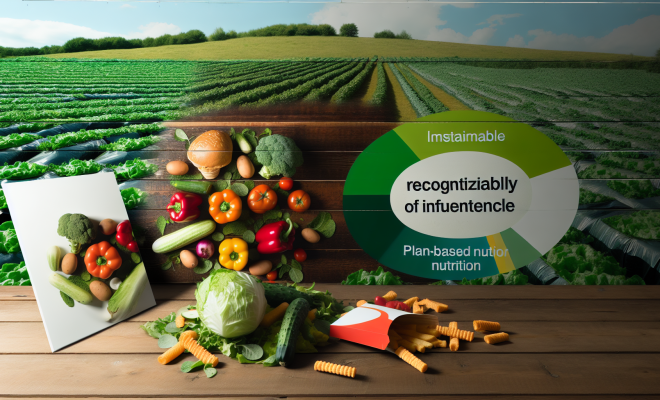
The global food landscape is undergoing a significant transformation as consumers increasingly embrace plant-based foods. This shift is not merely a passing trend; it reflects a deeper change in dietary preferences, especially among younger generations and flexitarians. With a focus on health, sustainability, and transparency in ingredient sourcing, plant-based options are moving from niche markets into the mainstream.
Health Consciousness Drives Demand
One of the primary reasons behind the rising popularity of plant-based foods is the growing awareness of health benefits associated with these diets. Consumers are becoming more health-conscious, seeking foods that not only taste good but also offer nutritional benefits. Plant-based foods are known to be rich in essential nutrients, vitamins, and minerals, often providing a lower calorie alternative to traditional animal-based products.
For instance, high-protein snacks made from pea, soy, fava, or rice proteins are gaining traction. These protein sources cater to a demographic that prioritizes fitness and wellness, offering alternatives that support muscle repair and overall health. Additionally, options rich in dietary fiber are becoming increasingly popular, as consumers recognize the importance of gut health and its connection to overall well-being.
Sustainability at the Forefront
Another driving force behind the plant-based movement is sustainability. With concerns about climate change and environmental degradation, many consumers are opting for foods that have a lower ecological footprint. Plant-based diets are often viewed as more sustainable than traditional meat-based diets, primarily due to their lower greenhouse gas emissions, reduced water usage, and lesser land requirements.
In South Africa and across the African continent, this demand for sustainable food sources is growing. As awareness of environmental issues continues to rise, the shift towards plant-based options reflects a broader commitment to a more sustainable food system. This transition not only benefits individual health but also contributes positively to the planet.
The Role of Transparency
Modern consumers are increasingly seeking transparency in the foods they consume. They want to know where their food comes from, how it is produced, and what ingredients are included. This desire for clean-label products is prompting manufacturers to rethink their ingredient sourcing and processing methods.
As a result, food manufacturers are now utilizing plant-derived hydrocolloids and natural texturisers to enhance the sensory experience of their products. These innovations help to improve taste, texture, and nutritional value, while also extending shelf life. By aligning with clean-label trends, companies can cater to the demands of consumers who prioritize health and sustainability.
Emerging Markets and Functional Foods
The demand for plant-based foods is not limited to traditional markets. Emerging markets, particularly in Africa, are witnessing a surge in interest in functional foods—products that offer additional health benefits beyond basic nutrition. This includes foods designed to support digestive health or boost the immune system.
- **Digestive Health:** Probiotic-rich plant-based yogurts and fermented foods are gaining popularity as consumers seek to enhance their gut health.
- **Immune Support:** Products fortified with vitamins and minerals that are known to support immune function are becoming staples in the diets of health-conscious consumers.
- **Nutrient-Dense Snacks:** High-protein snacks using plant sources are appealing to those looking for convenient yet nutritious options.
Innovation in Plant-Based Products
Innovations in the food industry are continuously reshaping the plant-based landscape. Manufacturers are exploring new ways to create products that not only meet the growing demand but also cater to diverse taste preferences. The use of starches as processing aids plays a crucial role in enhancing the texture and flavor profiles of plant-based foods.
This ongoing innovation is essential for keeping pace with consumer expectations and ensuring that plant-based options are appealing to a broad audience. As more people transition to flexitarian diets—where they reduce meat consumption but do not eliminate it entirely—there is a significant opportunity for brands to capture this market by offering delicious, high-quality plant-based alternatives.
Conclusion: A Sustainable Future
As we look to the future, it is clear that plant-based foods are more than just a trend; they represent a significant shift in consumer behavior and dietary practices. The emphasis on health, sustainability, and transparency is reshaping the food industry, paving the way for a more inclusive and eco-friendly food landscape. With the growing interest in plant-based options, manufacturers have a unique opportunity to contribute to a healthier population and a more sustainable planet.