Tristan Harris on Pentagon’s AI Embrace & Ethical Concerns
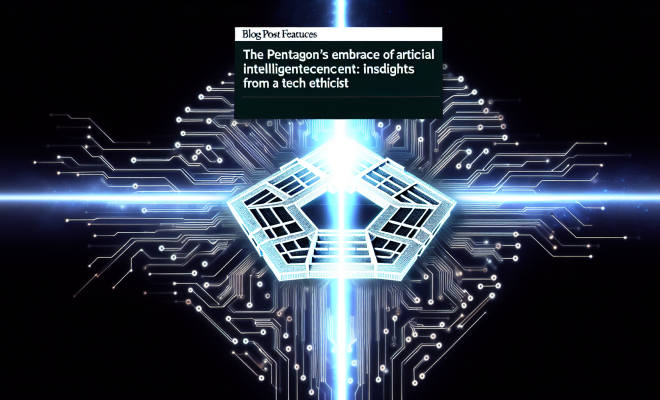
As the landscape of modern warfare evolves, artificial intelligence (AI) is becoming a pivotal component in defense strategies across the globe. In a recent interview with NPR’s Steve Inskeep, Tristan Harris, co-founder of the Center for Humane Technology, offered invaluable insights into the Pentagon’s increasing reliance on AI technologies and the ethical implications that accompany this shift.
The Shift Toward AI in Military Operations
Harris highlighted the Pentagon’s growing interest in AI as a response to rapid advancements in technology and the need for improved operational efficiency. As the U.S. military faces complex challenges on the battlefield, AI has emerged as a powerful tool for enhancing decision-making processes, optimizing logistics, and improving situational awareness.
Strategic Advantages of AI Integration
One of the significant advantages of incorporating AI into military operations is its ability to process vast amounts of data quickly. Harris pointed out that AI can analyze intelligence reports, satellite imagery, and real-time battlefield data far more efficiently than human analysts. This capability allows military leaders to make informed decisions swiftly, which is crucial in high-stakes environments.
- Enhanced Decision-Making: AI can synthesize information from multiple sources, providing commanders with a comprehensive overview of the situation.
- Operational Efficiency: Automating routine tasks can free up personnel for more critical strategic roles.
- Predictive Analysis: AI algorithms can forecast potential threats based on historical data, helping military strategists to prepare for future conflicts.
Ethical Concerns Surrounding AI Deployment
Despite the strategic benefits, Harris emphasized the ethical implications of deploying AI in military contexts. The use of AI raises significant questions about accountability, transparency, and the potential for unintended consequences. As AI systems become more autonomous, the risk of erroneous actions increases, leading to concerns over who is responsible when things go wrong.
The Dilemma of Autonomous Weapons
One of the most contentious issues in the AI debate is the development and use of autonomous weapons systems. Harris expressed concern that such technologies could operate without human oversight, making decisions that could lead to loss of life without accountability. This situation creates a moral dilemma for military leaders and policymakers.
According to Harris, there is a pressing need for regulations governing the use of AI in military applications:
- Clear Guidelines: Establishing ethical frameworks for the development and deployment of AI technologies is crucial.
- Human Oversight: Maintaining human control over critical decisions can help mitigate risks associated with autonomous systems.
- Transparency and Accountability: Developing AI systems that can explain their decision-making processes will enhance trust and accountability.
The Future of AI in Defense
As the Pentagon continues to explore AI’s potential, Harris believes that a balanced approach is essential. While the advantages of AI in military contexts are undeniable, it is imperative to address the ethical concerns head-on. The development of AI technologies must be guided by principles that prioritize human safety and ethical considerations.
Harris concluded the discussion by underscoring the importance of public engagement in the conversation surrounding AI in the military. He advocates for a collaborative approach that includes technologists, ethicists, military leaders, and the public to shape the future of AI in defense operations.
Engaging the Public in AI Discussions
Public discourse around AI in military applications is critical for ensuring that technology serves humanity’s best interests. Harris encouraged more dialogue about the implications of AI, urging citizens to be proactive in understanding and influencing the trajectory of military technology.
In his view, creating a culture of accountability and ethical responsibility within the military’s AI initiatives is paramount. As the U.S. military navigates the complexities of integrating AI, it must also consider the broader societal impacts and the moral obligations that come with wielding such powerful technologies.
Conclusion
The Pentagon’s embrace of artificial intelligence represents a significant shift in modern warfare, with the potential to revolutionize military operations. However, as Tristan Harris articulately pointed out, this transformation must be approached with caution. Balancing technological advancement with ethical responsibility will be key to ensuring that AI serves as a force for good, rather than a catalyst for unforeseen consequences in defense contexts.