Stressed But Hooked: Democrats’ News Consumption Paradox in 2026
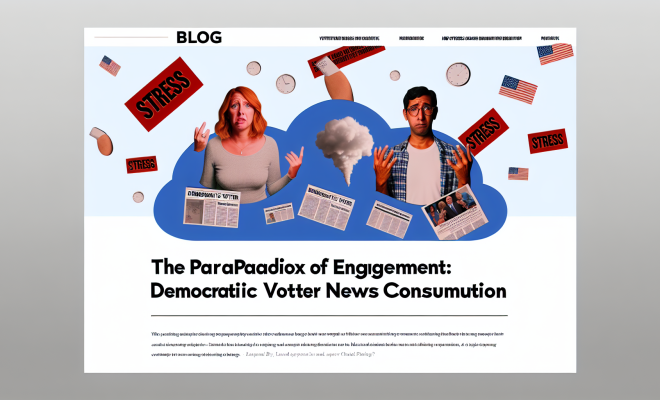
In a political climate marked by rapid developments and divisive issues, a recent poll conducted by the Associated Press reveals a troubling trend among Democratic voters: many are experiencing significant stress due to their news consumption habits, yet they find it nearly impossible to disengage. Published on April 29, 2026, this poll highlights a complex relationship between emotional well-being and the relentless pursuit of information in an era defined by constant media coverage.
The Emotional Toll of News Consumption
As political tensions escalate, the emotional toll of news consumption has become a pressing concern for many Americans, particularly Democrats. The poll illustrates that a substantial portion of this demographic is grappling with anxiety and stress linked to the news. This phenomenon raises important questions about the psychological impact of media on a politically engaged populace.
Poll Findings: A Snapshot of Stress
- Many Democrats report feeling overwhelmed by the news.
- A significant number admit that they struggle to turn away from news coverage, despite the stress it causes.
- Emotional responses to political events are often heightened by social media and 24-hour news cycles.
The poll underscores a growing concern among mental health experts regarding the effects of constant news exposure on emotional health. The cycle of breaking news, especially concerning political events or social issues, can lead to feelings of helplessness and despair.
The Role of Media in Political Engagement
Media consumption has become an integral part of modern political engagement. For many Democrats, staying informed is not just a preference but a perceived obligation. The fear of missing out on critical developments can compel individuals to remain glued to their screens, often at the expense of their mental health.
Why Do Democrats Stay Engaged?
Despite the stress associated with news consumption, there are several reasons why many Democrats continue to engage with political content:
- Desire for Awareness: Many feel it is essential to stay informed about issues that directly impact their lives and communities.
- Social Responsibility: A belief that being politically aware is part of civic duty pushes individuals to seek out news.
- Community Engagement: News consumption often serves as a catalyst for discussions within social circles, providing a sense of belonging.
- Activism and Advocacy: Many Democrats are motivated by a desire to advocate for causes they care about, which requires staying abreast of current events.
These motivations can create a paradox where the pursuit of information, intended to empower and enable activism, results in increased stress and anxiety.
The Psychological Consequences of News Overconsumption
Mental health professionals have identified several psychological consequences of excessive news consumption. Anxiety, depression, and feelings of helplessness are frequently reported among those who consume news excessively. As Democrats engage with sensationalist headlines and emotionally charged stories, the impact on their mental well-being can be profound.
Breaking Down the Psychological Impact
- Anxiety: The constant barrage of news can lead to heightened anxiety levels, particularly around major political events.
- Desensitization: Repeated exposure to distressing news can desensitize individuals, making it harder to engage with important issues meaningfully.
- Social Isolation: The stress of news consumption can lead some to withdraw from social interactions, exacerbating feelings of isolation.
- Burnout: Continuous engagement without breaks can lead to burnout, leaving individuals feeling exhausted and disengaged.
These consequences highlight the necessity for individuals to find a balance in their news consumption habits.
Strategies for Healthy News Consumption
Given the potential risks associated with excessive news consumption, it is crucial for Democratic voters to adopt healthier habits. Here are some strategies to consider:
- Set Limits: Designate specific times for news consumption to avoid continuous scrolling and constant updates.
- Curate Sources: Choose reputable news sources that provide balanced perspectives to mitigate sensationalism.
- Take Breaks: Regularly disconnect from news to recharge mentally and emotionally.
- Engage in Discussions: Rather than passively consuming news, engage in discussions with friends or family to process information constructively.
- Focus on Solutions: When consuming news, seek out stories that highlight solutions and positive developments to foster hope.
By implementing these strategies, individuals can reduce the emotional toll of news consumption while remaining informed and engaged.
The Future of News Consumption Among Democrats
As the political landscape continues to evolve, it is likely that the trends identified in the poll will persist. The ongoing engagement of Democratic voters with political news, despite the associated stress, reflects a broader cultural phenomenon where information consumption is both a necessity and a source of anxiety.
Potential Changes in Media Landscape
The media landscape is also changing rapidly, with emerging platforms and new forms of content consumption reshaping how individuals engage with news:
- Social Media Influence: The rise of social media has transformed how news is disseminated, leading to a quicker spread of information but also misinformation.
- Podcasting and Video Content: Informative podcasts and video series provide alternative formats for news consumption that may reduce anxiety.
- Community-Based Journalism: Local news outlets focusing on community issues can foster a more engaged and less overwhelmed audience.
As Democrats navigate this changing media landscape, adapting to new forms of engagement will be crucial in mitigating the stress associated with news consumption while remaining politically active and informed.
Conclusion: Embracing a Balanced Approach
The findings from the Associated Press poll serve as a crucial reminder of the emotional stakes involved in political engagement. While the desire to stay informed is commendable, it is essential for Democratic voters to recognize the toll that excessive news consumption can take on their mental health. By adopting healthier habits and prioritizing emotional well-being, individuals can engage with the world around them in a way that fosters resilience rather than stress.
In a time when the stakes are high, finding balance in news consumption is not just beneficial—it’s vital for sustaining both mental health and political engagement in the long run.