The Evolution of Eating: How Snackification and Functional Foods are Redefining Our Diets
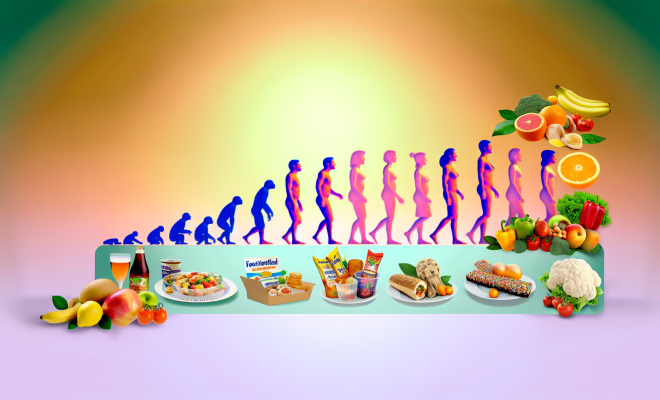
The global food landscape is undergoing a seismic shift, one that challenges traditional notions of meal structure and dietary choices. According to recent findings, approximately 60% of consumers worldwide are opting for a new eating pattern characterized by frequent snacks instead of adhering to the conventional three-meal-a-day framework. This phenomenon, often referred to as snackification, is reshaping how we perceive food and nutrition, influenced by various factors including advances in medical science, changing consumer preferences, and a growing skepticism towards processed foods.
The Rise of Snackification
Snackification represents more than just a trend; it reflects a significant transformation in consumer behavior. As lifestyles become increasingly hectic, the demand for quick, convenient food options has surged. The traditional structure of breakfast, lunch, and dinner is being replaced by a more fluid approach where eating becomes a frequent activity throughout the day.
This shift is not merely about eating between meals; it signifies a change in how people relate to food. Snacks are now seen as an opportunity to indulge in flavors, textures, and nutrients, rather than just fuel for the body. This has led to an explosion of snack options in the market, ranging from healthy protein bars to gourmet popcorn and everything in between.
Functional Foods and Health Trends
Alongside snackification, the concept of functional foods is gaining traction. These are foods that have been enhanced with additional health benefits, such as vitamins, minerals, probiotics, and even bioactive compounds. The global popularity of these products is partly fueled by the increasing awareness of health and wellness among consumers.
- Health Benefits: Functional foods often claim to support various aspects of health, including improved digestion, enhanced immunity, and better mental clarity.
- Consumer Demand: As people become more health-conscious, they seek foods that not only satisfy hunger but also contribute positively to their overall well-being.
- Accessibility: The rise of e-commerce and health-focused retail outlets has made functional foods more accessible than ever.
Moreover, the advent of GLP-1 medications, which are used to treat type 2 diabetes and obesity, has further influenced eating habits. These medications work by promoting a feeling of fullness, leading users to adopt smaller, more frequent meals, thus aligning with the snackification trend.
A Countertrend: The Quest for Authenticity
While snackification and functional foods dominate the conversation, a countertrend is emerging among consumers who are increasingly skeptical of ultra-processed foods. This skepticism is driving a revival of traditional cooking practices, as people seek to reconnect with the authenticity of food.
- Scratch Cooking: Many individuals are returning to the kitchen, embracing scratch cooking as a way to control ingredients and ensure quality.
- Fermentation: The resurgence of fermented foods, such as kimchi, sauerkraut, and yogurt, highlights a preference for natural preservation methods that offer health benefits.
- Whole Cuts of Meat: Consumers are gravitating towards whole cuts of meat instead of processed meats, appreciating their flavors and the transparency of sourcing.
These trends indicate a complex evolution in food preferences, as consumers navigate between the allure of convenience and the desire for authenticity. The dichotomy between snackification and the revival of traditional practices illustrates the diverse needs and aspirations of modern eaters.
The Future of Food Consumption
As these trends continue to evolve, the food industry must adapt to meet the changing demands of consumers. Companies are increasingly focusing on creating products that align with health trends while also appealing to the desire for authenticity. This means developing snacks that are not only convenient but also nutritious and minimally processed.
Additionally, transparency in sourcing, production methods, and ingredient integrity is becoming paramount. As people become more educated about food and its impact on health, they are more likely to support brands that align with their values.
Conclusion
The transformation of food consumption patterns is a reflection of broader societal changes. As snackification gains ground and functional foods become mainstream, consumers are also seeking authenticity and transparency. This duality presents both challenges and opportunities for the food industry. To thrive in this new landscape, companies must not only cater to the demand for convenience but also honor the growing desire for wholesome, authentic food experiences.
Ultimately, the future of food lies in understanding and responding to these evolving preferences, as consumers increasingly shape the way we eat.