Exploring the Viral Buzz: Key Trends in AI and Creator Culture from April 18, 2026
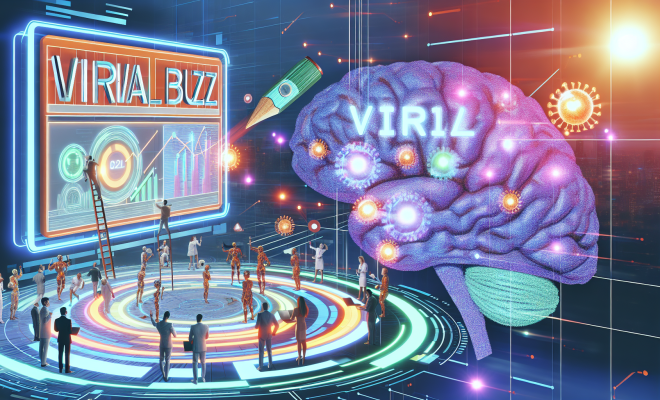
In an era defined by rapid technological progress and a dynamic creator economy, the digital landscape is constantly shifting. On April 18, 2026, a plethora of stories captured the attention of social media users and online audiences alike, highlighting significant advancements in artificial intelligence (AI) infrastructure and the latest trends emerging from the entertainment scene. This article delves into the 47 biggest stories that went viral, providing insights into the implications for marketing and technology as we navigate this evolving landscape.
Advancements in AI Infrastructure
The ongoing competition between open-weight AI models and proprietary systems has taken center stage, with new developments making headlines across various platforms. These advancements are crucial for developers and businesses aiming to leverage AI for improved outcomes in coding and other applications.
Open-Weight Models vs. Closed Frontier Systems
Recent reports indicate that open-weight AI models are rivaling closed frontier systems in coding benchmarks. This shift is significant as it democratizes access to advanced AI technologies, allowing developers and organizations without vast resources to compete on a more level playing field. The implications for the tech industry are substantial, as open-source solutions could lead to increased innovation and faster adoption of AI across different sectors.
Cloudflare’s Edge Unification
In a move aimed at enhancing model accessibility, Cloudflare has rolled out its edge unification service. This innovation allows developers to access AI models more efficiently, reducing latency and streamlining workflows. By centralizing resources, Cloudflare is positioning itself as a key player in the AI infrastructure landscape, making it easier for businesses to implement AI solutions effectively.
Google’s Android CLI Enhancements
Google has made significant strides in reducing development time with its new Android Command Line Interface (CLI), which reportedly slashes development time by threefold. This enhancement is particularly beneficial for developers looking to streamline their processes and deliver updates more quickly, ultimately improving user experiences on Android devices.
The Creator Economy and Coachella Buzz
The Coachella Valley Music and Arts Festival has once again proven to be a hotbed for viral content, with creators leveraging the event to showcase their lifestyles and artistic expressions. The intersection of music, culture, and social media has led to several noteworthy trends that are capturing the public’s imagination.
Sophie Rain’s Festival Expenses Go Viral
Among the standout stories from Coachella is the viral phenomenon surrounding creator Sophie Rain, who documented her staggering $200,000 festival expenses. This eye-popping figure sparked discussions about the exorbitant costs associated with attending such high-profile events and the lengths to which influencers will go to curate their online personas. Rain’s experience serves as a microcosm of the larger creator economy, where the pursuit of visibility often involves substantial financial investment.
Insights into the Entertainment Industry
In a more sobering narrative, discussions have emerged regarding the treatment of teenage stars within the entertainment industry, with Justin Bieber’s past experiences coming to the forefront. These conversations highlight the pressures faced by young creators as they navigate fame, mental health challenges, and the expectations placed upon them by both the industry and their fanbases. This narrative serves as a reminder of the need for greater accountability and support systems within the entertainment landscape.
Marketing Implications and Social Media Trends
As these stories continue to unfold, it is essential for marketers and brands to recognize the implications of these trends. The interplay between technological advancements and the creator economy offers unique opportunities for engagement and outreach.
Leveraging AI for Targeted Marketing
The rise of open-weight AI models presents an opportunity for marketers to utilize advanced analytics and machine learning algorithms to better understand consumer behavior. By harnessing these tools, brands can create more personalized and targeted marketing campaigns, ultimately driving engagement and conversions.
Engaging with Influencers
As the creator economy flourishes, brands must adapt their strategies to include influencer partnerships. Collaborating with creators like Sophie Rain allows companies to tap into new audiences and leverage the authenticity that comes with influencer marketing. However, brands should also be mindful of the pressures that creators face, ensuring that partnerships prioritize mental health and well-being.
Building a Supportive Environment
The conversations surrounding the treatment of young stars underscore the importance of creating supportive environments for creators. Marketers and industry professionals should advocate for initiatives that prioritize mental health resources and promote healthy work-life balances for influencers and artists.
Conclusion
The stories that captured the public’s attention on April 18, 2026, reflect a broader narrative of innovation, creativity, and the challenges faced by those in the digital space. As AI technology continues to evolve and the creator economy expands, staying informed about these trends is crucial for anyone looking to navigate the complexities of today’s digital landscape. By embracing the opportunities presented by advancements in technology and fostering meaningful connections within the creator community, brands can position themselves for success in an ever-changing environment.