Energy Infrastructure Construction Surges in 2026
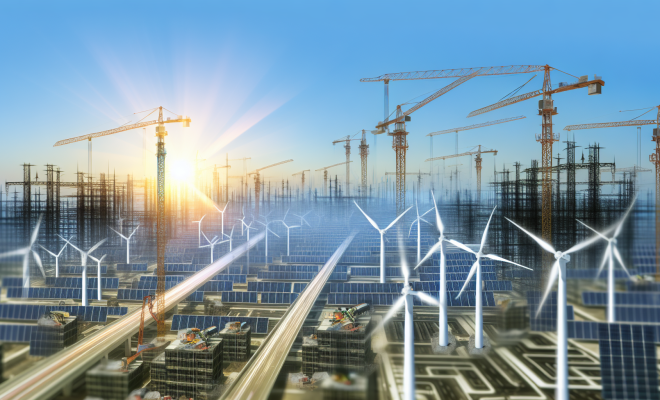
As we look ahead to 2026, the construction industry is on the brink of a transformative era, particularly within the power and energy infrastructure sector. Ranked as the second-highest construction sector set to drive project growth, the demand for robust energy solutions is being propelled by several converging factors, including the rapid expansion of data centers and the pressing need for grid enhancements.
Demand Surge from Data Centers
In recent years, data centers have experienced unprecedented growth, leading to a staggering $86 billion in spending by tech giants such as Amazon, Microsoft, Google, and Meta. This exponential increase is primarily due to the soaring demand for cloud services and data processing capabilities, which require substantial amounts of electricity. As these companies continue to scale their operations, the limits of existing grid capacity are becoming increasingly evident.
Grid Capacity and Infrastructure Challenges
The rapid expansion of data centers has highlighted significant challenges within the electrical grid. Many regions, particularly in the Sun Belt, Midwest, and Mountain West, are grappling with capacity limits that threaten to stifle further growth. To address these challenges, a wave of projects focused on enhancing grid infrastructure is set to unfold.
Key Projects on the Horizon
To meet the demands of both existing and future data centers, several types of infrastructure projects are anticipated:
- Utility-Scale Battery Storage: As renewable energy sources like wind and solar power become more prevalent, the need for effective energy storage solutions is critical. Utility-scale battery storage projects will play a vital role in balancing supply and demand.
- Gas Peaker Plants: These plants serve as a backup power source, providing additional electricity during peak demand periods. The construction of new gas peaker plants will be essential to ensure grid reliability.
- Renewable Energy Investments: The push for sustainable energy solutions will continue with significant investments in solar and wind projects, contributing to a cleaner energy mix and reducing reliance on fossil fuels.
- Transmission Upgrades: Enhancing transmission capabilities is crucial for transporting electricity from remote renewable energy sources to urban centers where demand is highest.
Supply Chain Challenges and Procurement Strategies
While the outlook for power and energy infrastructure construction is optimistic, it is not without its challenges. The supply chains for electrical equipment, particularly transformers, are currently facing constraints. This has led industry experts to emphasize the importance of early procurement strategies to mitigate delays and ensure project timelines are met.
Strategic Procurement Solutions
To navigate these supply chain challenges, stakeholders are advised to consider the following strategies:
- Early Engagement with Suppliers: Establishing relationships with manufacturers and suppliers early in the planning process can help secure necessary components and materials.
- Inventory Management: Maintaining an adequate inventory of critical components can prevent project delays caused by shortages.
- Diversifying Suppliers: Relying on a diverse range of suppliers can reduce the risk of delays caused by single-source dependencies.
The Role of Technology in Infrastructure Development
Technological advancements are playing a pivotal role in the evolution of power and energy infrastructure. The integration of artificial intelligence (AI) and advanced data analytics into project planning and execution is becoming increasingly common. These technologies enable more efficient resource allocation, predictive maintenance, and improved grid management.
AI and Data Centers
AI is particularly significant in optimizing the operations of data centers, which in turn impacts energy demand. By leveraging AI, companies can enhance energy efficiency, reduce operational costs, and ultimately lower their carbon footprint. This focus on sustainability aligns with broader industry trends aiming for greener energy solutions.
Conclusion: A Bright Future for Energy Infrastructure
The construction sector for power and energy infrastructure is poised for significant growth in 2026, driven by the increasing demands of data centers and the urgent need for grid enhancements. As projects aimed at utility-scale battery storage, renewable energy investments, and grid upgrades take shape, the industry is gearing up for a transformative period.
While challenges related to supply chains and procurement strategies remain, the integration of technology offers promising solutions. As stakeholders navigate this evolving landscape, the future of energy infrastructure construction appears not only bright but essential for supporting the growing demands of our digital age.