Master Homemade Beef Jerky: Your Ultimate Guide
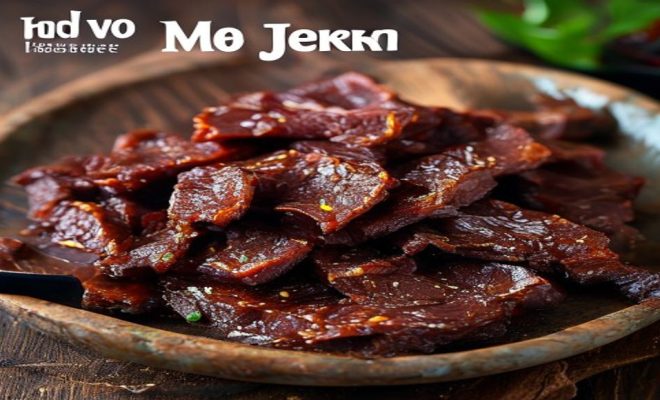
“`html
Beef jerky is more than just a snack; it’s a culinary tradition steeped in history, a source of protein, and a convenience food that is perfect for on-the-go lifestyles. If you’ve ever wondered how to make beef jerky, you’re not alone. Making your own jerky allows you to control the flavors, the level of spices, and most importantly, the quality of the meat. This guide will walk you through the steps to produce delicious, homemade beef jerky that rivals any store-bought variety.
1. Understanding the Basics of Jerky
Before diving into the how-to’s, it’s essential to understand what beef jerky is and why it has become a staple for many. The origins of jerky can be traced back to ancient civilizations that sought ways to preserve meat without refrigeration. The term “jerky” comes from the Spanish word “charqui,” which means dried meat. This preservation technique not only enhances the meat’s shelf life but also concentrates its flavor.
Beef jerky is typically made from lean cuts of meat, as fat can spoil during the drying process. The basic principle involves marinating the beef, slicing it into thin strips, and then drying it either in a dehydrator, an oven, or even traditionally in the sun. In addition to being a savory treat, homemade beef jerky is high in protein and low in carbohydrates, making it a favorite among fitness enthusiasts and campers alike.
2. Choosing the Right Cut of Meat
The foundation of great jerky starts with selecting the right cut of beef. Some popular options include flank steak, sirloin, and round. Flank steak is often favored for its balance of flavor and leanness, while round cuts are economical and yield a good texture. Regardless of the type you choose, aim for cuts that have minimal fat, as fat can lead to spoilage during storage.
When preparing your meat, ensure to trim off any visible fat and connective tissue. This will not only help your jerky last longer but also provide a better texture. A good rule of thumb is to cut the meat against the grain for a more tender bite. If you prefer chewier jerky, slice with the grain instead.
3. Marinating: The Flavor Infusion
How to make beef jerky truly comes alive in the marinating process. The marinade adds not only flavor but also aids in preservation. A classic marinade typically includes soy sauce, Worcestershire sauce, and a variety of spices. You can customize your marinade with various other ingredients such as garlic powder, onion powder, cayenne pepper, or liquid smoke for a smoky flavor.
For maximum flavor enhancement, it’s best to marinate the sliced meat for at least 4-8 hours, but overnight is even better. Make sure the meat is thoroughly coated and placed in an airtight container or a resealable plastic bag, which allows the flavors to penetrate deeply into the meat.
4. Drying Methods: Choosing Your Technique
Once your meat is marinated, the next step in learning how to make beef jerky is choosing your drying method. There are several options available, each with its pros and cons. A dehydrator is often the go-to appliance for making jerky, as it efficiently removes moisture while allowing for even drying. Alternatively, you can use an oven, which is quite accessible and can produce good results as well.
If you’re adventurous and the weather permits, sun-drying is an option—though it requires careful attention to sanitation and temperature control. Regardless of the method, ensure that the drying temperatures are kept above 145°F (63°C) to eliminate harmful bacteria. The drying process typically takes anywhere from 4 to 12 hours, depending on the thickness of the meat and the drying method used.
5. Perfecting the Texture and Doneness
Texture is a crucial aspect of jerky that can make or break your final product. Ideally, the jerky should be pliable and easy to chew but not so moist that it feels raw. The best way to test doneness is by bending a piece; it should crack slightly but not break in half. Another method is to cut a piece and check if there’s any visible moisture. If you see any, it likely needs more drying time. (See: Nutritional benefits of beef jerky.)
Make sure to monitor the jerky closely as it dries. Over-drying can lead to a tough, chewy texture, while under-drying can result in spoilage. Patience is key here. Remember that jerky will continue to firm up slightly as it cools, so take it off the heat just before it reaches your desired texture.
6. Storing Your Homemade Jerky
Once your beef jerky is ready, proper storage is crucial to maximizing its shelf life. Store your jerky in airtight containers or vacuum-sealed bags. If you’ve made a large batch, consider dividing it into smaller portions to minimize exposure to air each time you open a container. Jerky can be stored at room temperature for about one to two weeks, but for longer shelf life, refrigeration or freezing is recommended.
Don’t forget to label your containers with the date of preparation. While beef jerky has a long shelf life, freshness is key for optimal flavor. If you notice any signs of spoilage, such as off smells or unusual colors, it’s best to discard the batch.
7. Exploring Flavor Variations
The beauty of learning how to make beef jerky lies in the ability to experiment with flavors. Traditional flavors are a great starting point, but there are endless opportunities to get creative. Consider trying out different marinades, including teriyaki, barbecue, or spicy sriracha. You can also add ingredients like honey or brown sugar for sweetness or experiment with dry rubs that include your favorite spices and herbs.
Don’t hesitate to explore international influences as well. Asian-inspired marinades can introduce a delightful twist, while a Mexican spice blend can add a whole new dimension. The key is to keep track of your experiments, so you can replicate your successful batches in the future.
8. Nutrition and Health Benefits of Beef Jerky
One of the significant advantages of homemade beef jerky is its nutritional profile. It’s a high-protein snack, often containing around 9 grams of protein per ounce. This makes it an excellent choice for athletes or anyone looking to increase their protein intake without excessive calories. Additionally, when made at home, you can keep the sodium levels in check compared to commercial jerky, which often uses high levels of salt as a preservative.
Furthermore, beef jerky is a good source of essential nutrients like iron and zinc. These minerals are vital for bodily functions, including immune response and energy metabolism. However, moderation is key, as jerky can be high in sodium even when homemade. Balancing it with other healthy snacks can provide a more rounded diet.
9. The Modern Jerky Movement: Trends and Innovations
In recent years, the jerky market has seen a surge in popularity, with various companies innovating new flavors and formats. From vegan jerky made from plant-based sources to gourmet flavors that include exotic meats like bison or venison, there’s a growing trend towards diversification in jerky products. This has led many home cooks to start exploring their own jerky-making adventures.
The accessibility of dehydrators and online recipes has fueled this movement, making it easier than ever to dive into the craft of jerky-making. You’ll find numerous online communities where enthusiasts share their recipes, tips, and personal experiences, creating a vibrant culture around homemade jerky. So, whether you’re making it for yourself or as gifts for friends, creating your own beef jerky has never been more appealing.
10. Advanced Techniques for the Perfect Jerky
Once you’ve mastered the basics of how to make beef jerky, you might want to explore advanced techniques to elevate your jerky-making skills. One such method is to use a marinade injection. This process ensures that the flavor penetrates more deeply into the meat, providing an even richer taste. Using a meat injector, you can inject the marinade directly into the beef, which can greatly enhance flavor distribution.
Another technique involves brining the meat before marinating. A simple brine made of water, salt, and spices can infuse the meat with flavor and moisture, creating a juicier final product. Experimenting with brine ratios can yield exciting variations and keep your jerky flavorful and moist.
11. Common Mistakes to Avoid When Making Jerky
Learning how to make beef jerky is a rewarding journey, but there are common pitfalls that can affect your final product. One mistake is not drying the meat sufficiently, which can lead to spoilage. Always ensure that the jerky reaches a safe internal temperature and is properly dried. Another common issue is using cuts of meat that are too fatty. Fat can spoil and negatively affect the texture and taste of your jerky. (See: USDA guidelines on meat preservation.)
Additionally, it’s crucial to consider the balance of flavors in your marinade. If you add too much salt, your jerky may become unpalatable. Start with small amounts of seasoning and gradually increase as needed. Keeping a detailed log of your ingredients and methods can help you perfect your recipe over time.
12. Frequently Asked Questions (FAQ)
What is the best cut of beef for jerky?
Lean cuts like flank steak, sirloin, and round are ideal for jerky due to their low fat content. Flank steak is particularly popular for its flavor and texture.
How long does homemade beef jerky last?
When stored in an airtight container at room temperature, homemade beef jerky can last for 1-2 weeks. For extended storage, refrigerate or freeze it, which can allow it to last for several months.
Can I use a regular oven to make jerky?
Absolutely! A regular oven can effectively dry out the meat. Set the oven to the lowest temperature, usually around 170°F (77°C), and keep the door slightly ajar for proper airflow.
Is it safe to make jerky at home?
Yes, as long as you follow safe food handling practices. Ensure the meat is cooked to an internal temperature of at least 145°F (63°C) and dry it thoroughly to inhibit bacterial growth.
Can I freeze beef jerky?
Yes, freezing is an excellent way to preserve jerky for long periods. Just make sure it’s sealed tightly to avoid freezer burn.
What spices should I use for beef jerky?
The options are limitless! Common spices include garlic powder, onion powder, black pepper, and cayenne for heat. You can also experiment with brown sugar, smoked paprika, or even curry powder for unique flavors.
Can I make jerky using other types of meat?
Yes! Jerky can be made from various meats, including turkey, chicken, pork, and even fish. Each type of meat may require slight adjustments to cooking times and marinating methods.
13. Incorporating Beef Jerky into Your Meals
Beef jerky isn’t just a snack; it can be a versatile ingredient in your kitchen. You can add small pieces of jerky to salads for a protein boost or toss them into a stir-fry for an extra savory flavor. Some people even incorporate jerky into breakfast by adding it to omelets or breakfast burritos.
If you’re feeling creative, consider using jerky in soups or stews. The jerky can rehydrate as it cooks, adding delicious depth to your dishes. Just remember to adjust your seasoning, as jerky is often quite flavorful on its own! (See: Healthy diet recommendations.)
14. Beef Jerky and the Outdoors
For outdoor enthusiasts, beef jerky is an ideal companion. Lightweight, non-perishable, and energy-dense, it fits perfectly into hiking backpacks or camping gear. It’s convenient for long hikes where carrying heavy meals isn’t practical, and it provides a quick energy boost when you need it most. Plus, its savory flavor can be a delightful morale booster after a long day on the trail.
Consider packing your homemade jerky into smaller, resealable bags for easy access while you’re on the go. You can also experiment with different flavors to cater to varying tastes in your outdoor group, making jerky a versatile snack that everyone can enjoy.
15. Pairing Beverages with Beef Jerky
Another fun aspect of enjoying beef jerky is pairing it with beverages. Different flavors of jerky can complement a variety of drinks. For example, a spicy beef jerky pairs beautifully with a crisp lager or a hoppy IPA. On the other hand, a sweet teriyaki version might go well with a fruity soda or even a sweet red wine.
If you’re in the mood for something non-alcoholic, consider pairing jerky with flavored sparkling water or iced tea. The carbonation can cleanse your palate, making the jerky’s flavors even more pronounced. Get creative with your pairings and maybe even host a tasting party to explore the different combinations!
16. Tips for Hosting a Jerky-Making Party
If you’re passionate about the art of jerky-making, why not share it with friends? Hosting a jerky-making party can be a fun and interactive way to bring people together while enjoying delicious flavors. Start by gathering all the necessary ingredients and equipment, ensuring each participant has a chance to get their hands on the meat and marinade.
Consider providing a variety of cuts of meat and a selection of marinades so everyone can create their own personalized jerky. Set up stations for marinating, slicing, and drying, and allow everyone to experiment with their flavor combinations. After the drying process, you can have a tasting session, where everyone shares their creations. It’s a fantastic way to bond over food and inspire creativity in the kitchen!
17. Concluding Thoughts on Making Beef Jerky
Now that you have the knowledge on how to make beef jerky, what are you waiting for? Whether you’re looking for a high-protein snack for your next outdoor adventure or just want to impress friends with your culinary skills, beef jerky is a delightful option to explore and enjoy. From mastering the basics to experimenting with flavors and techniques, crafting your own jerky can be as rewarding as it is delicious. Happy jerky-making!
“`
Trending Now
Frequently Asked Questions
What cut of beef is best for making jerky?
The best cuts of beef for making jerky are lean options such as flank steak, sirloin, and round. Flank steak offers a great balance of flavor and leanness, while round cuts are economical and provide good texture. It's important to trim off any visible fat to prevent spoilage during storage.
How long does it take to make beef jerky?
The time it takes to make beef jerky can vary depending on the drying method used. Typically, it can take anywhere from 4 to 12 hours to fully dehydrate the meat in a dehydrator or oven. Marinating the beef beforehand can also add additional time to the overall process.
Can you make beef jerky without a dehydrator?
Yes, you can make beef jerky without a dehydrator by using an oven. Simply marinate the meat, slice it thinly, and lay the strips on a baking sheet. Set your oven to a low temperature, around 160°F (70°C), and keep the door slightly ajar for air circulation while drying.
Is homemade beef jerky healthy?
Homemade beef jerky can be a healthy snack option as it is high in protein and low in carbohydrates. By making your own, you can control the ingredients and avoid preservatives and added sugars often found in store-bought varieties, making it a better choice for health-conscious individuals.
How do you store beef jerky?
To store beef jerky, keep it in an airtight container or vacuum-sealed bag to maintain freshness. It should be stored in a cool, dry place, and can last for several weeks at room temperature. For longer storage, consider refrigerating or freezing it to extend its shelf life.
Agree or disagree? Drop a comment and tell us what you think.