The Evolution of AI: Weekly Highlights on Innovations and Impacts

Introduction
The landscape of artificial intelligence (AI) is evolving at an unprecedented pace. As we delve into the latest developments, we see a mixture of innovation, competition, and the complex effects AI has on employment. This week, significant changes have emerged from industry leaders like OpenAI and Elon Musk, while a recent study by Goldman Sachs sheds light on the employment implications of these advancements. In this article, we will explore these key developments in detail.
OpenAI’s New Workspace Agents
OpenAI has made a notable shift in its approach to AI applications by replacing its Custom GPTs with the introduction of Workspace Agents. These agents are designed to operate continuously in the cloud, enabling them to execute multi-step workflows autonomously.
The Shift from Custom GPTs to Workspace Agents
Previously, Custom GPTs allowed users to tailor AI responses for specific tasks. However, the new Workspace Agents are set to revolutionize how users interact with AI. By functioning autonomously, they can handle a range of tasks without requiring constant input from users. This transition emphasizes the growing need for AI systems that can manage complex workflows, offering a more integrated and seamless experience.
Benefits of Continuous Operation
The continuous operation of Workspace Agents presents several advantages:
- Efficiency: These agents can optimize workflows by reducing the time spent on repetitive tasks, thus increasing overall productivity.
- Scalability: As businesses grow, the need for scalable AI solutions becomes essential. Workspace Agents can adapt to increasing workloads without the need for significant reconfiguration.
- 24/7 Availability: The cloud-based nature of these agents allows them to function around the clock, providing support and executing tasks at any time.
Implications for Businesses
With the introduction of Workspace Agents, businesses are likely to experience a shift in how they utilize AI technology. The need for skilled personnel to manage and oversee these agents will increase, as companies will require individuals who can interpret the outputs and guide the AI systems effectively. This evolution in AI applications underscores the importance of adapting to new technologies and investing in workforce training.
Elon Musk’s XChat Messaging App
In a stunning debut, Elon Musk’s XChat messaging app has rapidly ascended to the top of the US App Store, surpassing established giants like ChatGPT and Claude within hours of its launch. This swift rise to prominence raises questions about the competitive dynamics in the AI messaging space.
Features of XChat
XChat differentiates itself from competitors through its unique features designed to enhance user experience:
- Real-Time Communication: XChat enables seamless communication through real-time messaging, featuring advanced AI capabilities that enhance conversations.
- Privacy Focus: Musk has emphasized user privacy as a cornerstone of XChat, appealing to users who are increasingly concerned about data security.
- Integration with AI: The application harnesses cutting-edge AI technologies to offer personalized interactions, making it a compelling choice for users seeking tailored communication experiences.
Market Impact and Competition
The rapid success of XChat signifies a shift in user preferences and highlights Elon Musk’s influence in the tech landscape. By surpassing established platforms, Musk’s foray into the messaging space may prompt competitors to innovate further to retain market share.
Employment Trends: The Goldman Sachs Study
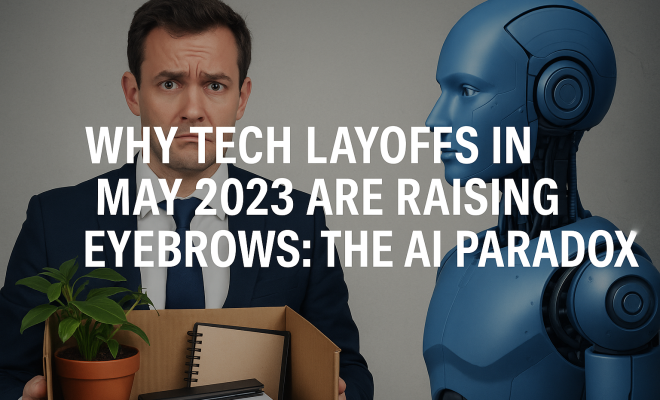
A recent study conducted by Goldman Sachs has revealed concerning trends in the employment landscape due to the rise of AI technologies. According to the study, AI is contributing to a net loss of approximately 16,000 jobs per month in the United States. However, it also highlights the creation of around 9,000 new high-potential roles during the same period.
The Dichotomy of Job Creation and Loss
While the statistics may seem alarming, they reveal a complex dynamic within the job market:
- Job Displacement: Many traditional roles are being automated, leading to job losses across various sectors.
- Emergence of New Roles: Despite the losses, AI is creating new opportunities, particularly in tech-driven fields that require advanced skills and knowledge.
Future Employment Outlook
The net negative impact on employment underscores the need for proactive measures to address the challenges posed by AI advancements. Workers in affected industries may require reskilling and upskilling to transition into new roles that AI technologies are generating.
Conclusion
This week’s developments in the realm of AI highlight both the rapid pace of innovation and the significant implications for the workforce. OpenAI’s introduction of Workspace Agents marks a pivotal shift toward autonomous AI operations, while Elon Musk’s XChat app demonstrates the competitive pressures in the AI messaging sector. The findings from the Goldman Sachs study serve as a reminder that as technology evolves, so too must our approach to employment and workforce development. As we move forward, it is crucial for stakeholders across industries to embrace change and prepare for the future of work in an AI-driven world.