Taiwanese Students Defy Warnings for China Education in 2026
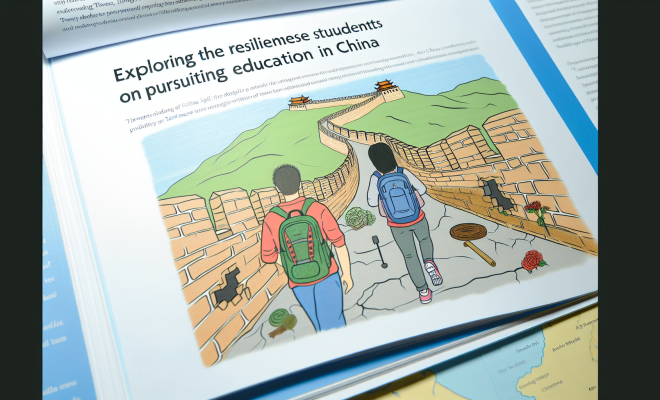
In an era marked by geopolitical tensions and travel advisories, over 6,000 Taiwanese students have demonstrated remarkable determination by participating in academic exchanges with China in 2026. This trend unfolds against the backdrop of official travel warnings issued by Taiwan’s Mainland Affairs Council (MAC), reflecting a complex interplay between national security concerns and the pursuit of educational opportunities.
The Motivations Behind Cross-Strait Academic Pursuits
Despite the MAC’s advisories cautioning against travel to China, many Taiwanese students are undeterred. Their motivations are multifaceted, encompassing a desire for quality education, cultural exchange, and personal growth. The appeal of China’s renowned universities and their diverse academic programs often outweighs the apprehensions stemming from political tensions.
- Quality of Education: Chinese universities have made significant strides in academic rankings, attracting students from across the globe. Many Taiwanese students seek specialized programs that may not be available in Taiwan.
- Cultural Exchange: Studying in China provides an opportunity for Taiwanese students to immerse themselves in a different cultural context, fostering understanding and collaboration between the two regions.
- Career Opportunities: With China’s booming economy, students recognize the professional advantages of establishing networks and gaining qualifications that are recognized internationally.
Government Warnings and Safety Protocols
The MAC’s travel warnings are rooted in national security concerns, reflecting the Taiwanese government’s apprehension regarding the safety of its citizens abroad. These advisories highlight the potential risks associated with cross-strait relations, urging students and their families to consider the implications of studying in China.
In response to these concerns, Taiwanese universities have implemented robust safety protocols to ensure the well-being of students participating in exchanges. These measures include:
- Pre-Departure Briefings: Universities provide comprehensive briefings to prepare students for their time in China, covering cultural nuances, legal considerations, and safety tips.
- On-Site Support: Many institutions establish partnerships with universities in China to offer on-the-ground support, including emergency contact information and access to local resources.
- Regular Check-Ins: Faculty and staff maintain regular communication with students to monitor their safety and well-being throughout their academic journey.
The Impact of Cross-Strait Education on Relations
The continued flow of Taiwanese students to China is a testament to the enduring educational and cultural connections between the two regions. This phenomenon raises important questions about the future of cross-strait relations and the impact of education on fostering understanding.
As Taiwanese students engage with their Chinese counterparts, they contribute to a shared narrative that transcends political divides. These interactions can promote dialogue, challenge stereotypes, and build bridges between communities. The presence of Taiwanese scholars in Chinese institutions not only enriches the academic environment but also serves as a reminder of the importance of collaboration in an increasingly polarized world.
Challenges Faced by Students
While the motivations to study in China are compelling, Taiwanese students face unique challenges that must be acknowledged. One of the primary concerns is navigating the complex political landscape that can affect their experience.
- Potential Discrimination: Some students report experiencing discrimination or bias in academic settings, which can be disheartening and challenging to navigate.
- Political Sensitivity: Engaging in discussions about cross-strait relations can be fraught with tension, requiring students to tread carefully in their interactions.
- Family Concerns: Many students grapple with the worries of their families, who may have reservations about their safety and the implications of studying in China.
A Future of Continued Collaboration
As more Taiwanese students choose to pursue their education in China, the dialogue surrounding cross-strait relations will inevitably evolve. The resilience and determination of these young scholars underscore the importance of education as a means of fostering understanding and cooperation.
Looking ahead, it is essential for both Taiwanese and Chinese institutions to prioritize student safety while promoting academic collaboration. By addressing the challenges and enhancing support systems, they can continue to nurture the cultural and educational ties that bind the two regions together.
In conclusion, the trend of Taiwanese students heading to China, despite government warnings, reflects a profound commitment to education and cross-cultural exchange. As these young scholars navigate their paths, they embody the potential for collaboration and understanding in a world often divided by political strife.