The Electric Vehicle Revolution in Europe: Navigating Energy Market Disruptions
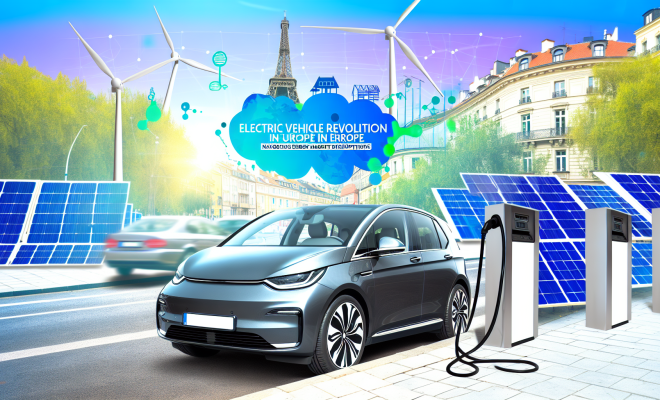
The automotive landscape in Europe is undergoing a transformative shift as the surge in electric vehicle (EV) adoption accelerates in response to rising fuel prices and geopolitical tensions. With the ongoing conflict in Iran causing disruptions in the energy market, consumers are increasingly turning to battery electric vehicles (BEVs) as a viable alternative. This trend is not only reshaping individual choices but also the entire automotive industry across the continent.
Understanding the Surge in Electric Vehicle Registrations
In March 2026, a remarkable increase in BEV registrations was recorded, with a staggering 51% rise year-over-year, culminating in over 224,000 units sold. This surge is indicative of a broader shift in consumer behavior, with many drivers seeking to mitigate the impact of soaring fuel costs on their budgets. The ongoing geopolitical tensions, particularly those related to oil supply and pricing, have further galvanized this shift towards electric mobility.
Country-Specific Trends in Electric Vehicle Adoption
Different countries across Europe are experiencing varied levels of growth in BEV registrations, showcasing distinct trends influenced by local policies, incentives, and consumer preferences.
- Italy: The Italian automotive market has seen a remarkable 65% increase in BEV registrations year-to-date, highlighting a strong shift among consumers towards electric vehicles.
- Germany: As Europe’s largest automotive market, Germany has also embraced the electric vehicle trend with a 42% rise in registrations, signaling a pivotal moment for the nation known for its robust automobile manufacturing sector.
- France: France continues to lead the charge in electric vehicle adoption, boasting a commanding 28% market share for BEVs. This position is bolstered by a combination of government incentives and a growing infrastructure for electric mobility.
- Norway: Notably, Norway has reached an astounding 98.4% of new car sales being fully electric, a testament to the country’s commitment and successful policies encouraging EV adoption.
Driving Forces Behind the Electric Vehicle Shift
Several factors are driving this significant shift towards electric vehicles in Europe:
1. Rising Fuel Prices
The conflict in Iran has led to considerable fluctuations in oil prices, affecting fuel costs across Europe. As consumers grapple with rising expenses at the pump, many are exploring electric vehicles as a cost-effective alternative. The lower operating costs associated with BEVs, including reduced maintenance and charging expenses, make them appealing in this context.
2. Government Incentives and Policies
European governments have been proactive in promoting electric vehicle adoption through various incentives. Subsidies, tax breaks, and grants for purchasing electric vehicles have encouraged consumers to make the switch. Additionally, strict emissions regulations are pushing manufacturers to prioritize electric vehicle development, further accelerating the transition.
3. Expanding Charging Infrastructure
The development of a comprehensive charging infrastructure is crucial in addressing range anxiety among potential electric vehicle buyers. Many European nations are investing heavily in expanding charging networks, making it more convenient for consumers to charge their vehicles. This expansion is vital in ensuring that electric vehicles can compete effectively with traditional gasoline-powered cars.
The Impact of Geopolitical Factors on the Automotive Industry
The ongoing geopolitical tensions, particularly in the Middle East, have far-reaching implications for the global automotive industry. The conflict in Iran has not only affected oil prices but has also prompted discussions about energy independence and sustainability.
1. Energy Security and Transition to Renewables
As Europe grapples with the challenges posed by geopolitical uncertainties, there is a growing recognition of the need to transition to renewable energy sources. The promotion of electric vehicles aligns with broader energy security goals, reducing dependency on fossil fuels and enhancing sustainability.
2. Shifts in Consumer Preferences
Consumer attitudes towards electric vehicles are evolving, influenced by the desire for sustainability and the impact of global events. Many consumers are now prioritizing environmentally friendly options, leading to a surge in demand for electric vehicles as people become more conscious of their carbon footprints.
Challenges to Electric Vehicle Adoption
Despite the positive trends in electric vehicle adoption, several challenges remain that could impact future growth:
1. Range Anxiety
While advancements in battery technology have improved the range of electric vehicles, range anxiety still poses a barrier for many potential buyers. Consumers are often concerned about the availability of charging stations and the distance they can travel on a single charge.
2. Initial Cost of Electric Vehicles
Although prices for electric vehicles have been declining, the initial purchase cost can still be a hurdle for many consumers. While government incentives can help offset these costs, the perception of electric vehicles being more expensive than traditional cars remains a challenge.
3. Supply Chain Disruptions
Global supply chain issues, exacerbated by the COVID-19 pandemic and ongoing geopolitical tensions, have affected the production of electric vehicles. Shortages of key components, such as semiconductors, can delay the rollout of new models and impact overall availability.
Looking Ahead: The Future of Electric Vehicles in Europe
The trajectory of electric vehicle adoption in Europe is poised for continued growth, driven by a combination of external pressures and internal policy initiatives. As the region navigates the complexities of the energy market and geopolitical challenges, the push for electric vehicles is likely to remain a central focus.
1. Continued Investment in Infrastructure
To sustain the momentum of electric vehicle adoption, substantial investments in charging infrastructure will be necessary. Governments and private enterprises must collaborate to expand networks and improve accessibility, ensuring that charging stations are widely available.
2. Technological Advancements
Ongoing advancements in battery technology will play a crucial role in making electric vehicles more appealing. Innovations aimed at increasing range, reducing charging times, and lowering costs will further enhance the attractiveness of BEVs.
3. Policy Support and Consumer Education
Governments must continue to provide support for electric vehicle adoption through incentives and educational campaigns. Informing consumers about the benefits of electric vehicles and addressing common misconceptions will be key to fostering greater acceptance.
Conclusion
The surge in electric vehicle registrations in Europe is a reflection of the changing automotive landscape, driven by rising fuel prices, geopolitical tensions, and a growing commitment to sustainability. As consumers increasingly embrace electric mobility, the automotive industry is adapting to meet this demand, paving the way for a greener future.
With continued investment in infrastructure, technological advancements, and supportive policies, the electric vehicle revolution in Europe is just beginning. As the region moves towards a more sustainable transportation model, the momentum for electric vehicles is likely to continue, shaping the future of mobility for generations to come.