The Educational Crisis: How the Iran War is Disrupting Learning for 52 Million Children
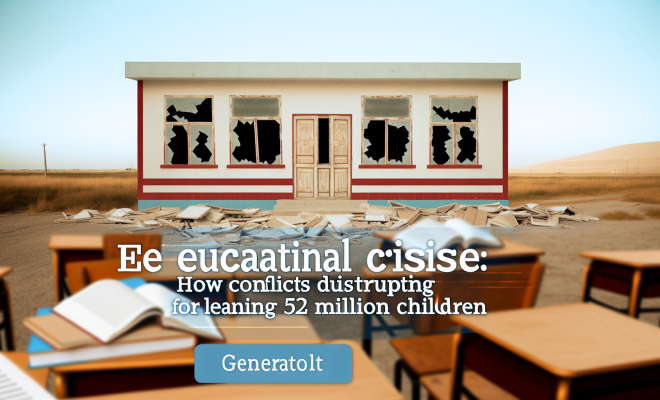
The ongoing conflict in Iran has cast a long shadow over education in the Middle East, affecting the lives of an estimated 52 million children. According to a report published by the Vatican newspaper on March 14, 2026, the war has resulted in widespread school closures and significant interruptions in learning. This situation not only threatens the immediate educational prospects of these children but also poses a long-term humanitarian crisis that could affect the region for generations to come.
The Scale of the Disruption
The numbers are staggering. With 52 million children now facing educational disruptions, the impact of the Iran war extends far beyond the battlefield. Schools in conflict zones are either being destroyed or repurposed for military use, rendering them unsafe or inaccessible for students. Even in areas less directly affected by the fighting, the psychological toll of living in a war zone leads to increased absenteeism and dropout rates.
School Closures and Learning Interruptions
In many regions, schools have become targets or collateral damage in the ongoing conflict. As a result, millions of children find themselves without access to basic education. In addition to physical destruction, logistical challenges such as the lack of transportation, disruptions in supply chains for educational materials, and the fear of violence contribute to a grim educational landscape.
The ripple effects of these closures are significant:
- Increased dropout rates: Many children are forced to abandon their studies, as families focus on survival rather than education.
- Psycho-social impact: The trauma of conflict can lead to mental health issues that hinder learning and social integration.
- Gender disparities: In some areas, girls are disproportionately affected, as families may prioritize boys’ education during times of crisis.
The Humanitarian Impact
The educational crisis in the Middle East is part of a broader humanitarian issue exacerbated by the ongoing conflict. Disrupted education leads to a cycle of poverty and instability, making it more difficult for children to escape the clutches of war. The long-term implications are dire; lack of education can result in increased unemployment rates, lower economic productivity, and a more vulnerable society.
International organizations are sounding the alarm about the humanitarian impact of the Iran war. In addition to educational disruptions, there are concerns regarding basic needs such as food, healthcare, and shelter. Children caught in the crossfire of war often face malnutrition, lack of medical care, and psychological trauma, which further complicates their ability to learn and thrive.
Global Response and Initiatives
As the situation continues to unfold, various humanitarian organizations are stepping up efforts to address the educational needs of children affected by the conflict. Programs aimed at providing temporary learning spaces, educational materials, and psychological support are being implemented in refugee camps and safe zones.
- UNICEF: The United Nations Children’s Fund is working to provide access to education for displaced children, focusing on creating safe learning environments.
- NGOs: Non-governmental organizations are mobilizing resources to deliver educational supplies and training for teachers in crisis-affected areas.
- Online education: Initiatives to provide remote learning opportunities are being explored, particularly for older students who can access technology.
Future Prospects: A Call to Action
The future for the 52 million children affected by the Iran war remains uncertain. Without immediate intervention and long-term strategies, these children risk becoming a lost generation, devoid of the skills and knowledge necessary for rebuilding their communities. The international community has a crucial role to play in advocating for peace and providing resources to support education in conflict zones.
In light of the ongoing crisis, it is imperative for governments, NGOs, and local communities to collaborate in developing actionable plans to ensure that education remains a priority. This includes:
- Advocating for peace: Efforts must be increased to bring about a ceasefire and negotiate peace in the region.
- Enhancing funding: Financial resources should be allocated to educational programs that can operate in conflict zones.
- Community engagement: Local stakeholders, including parents and educators, should be involved in developing solutions tailored to the needs of their communities.
Conclusion
The disruption of education for 52 million children due to the Iran war is a humanitarian crisis that demands immediate attention. As conflict continues to reshape the landscape of the Middle East, the priority must be to ensure that education remains accessible and protected. The hope for a brighter future lies in the hands of these children, and it is the responsibility of the global community to support their right to education amidst adversity.