The Cultural Impact of Tony Hawk’s Pro Skater 3
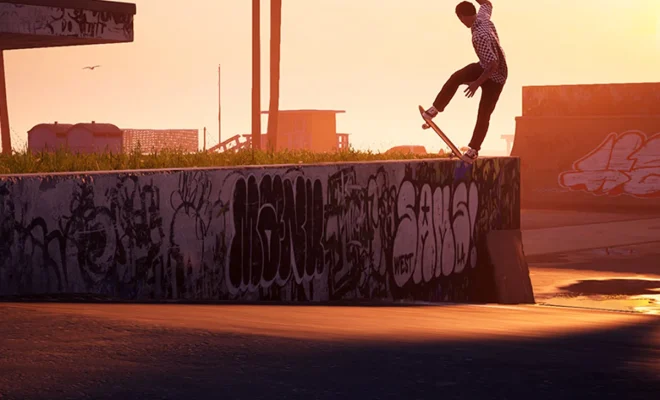
Tony Hawk’s Pro Skater 3 (THPS3) wasn’t just a video game; it was a cultural phenomenon that left an indelible mark on both gaming and skateboarding cultures. Released in 2001, the game arrived at a time when skateboarding was gaining mainstream popularity, and it played a significant role in further propelling the sport into the public consciousness.
One of the most profound impacts of THPS3 was its influence on skateboarding’s popularity. The game introduced millions of players to the world of skateboarding, showcasing the sport’s creativity, skill, and culture. Many fans who had never stepped on a skateboard found themselves inspired to try the real thing, leading to a surge in skateboard sales and participation in the sport.
The game’s roster of professional skaters, including Tony Hawk himself, Bam Margera, and Rodney Mullen, became household names even among non-skaters. These digital avatars introduced players to the personalities and styles of real-world skaters, creating new fans and boosting the profiles of these athletes beyond the skateboarding community.
THPS3’s soundtrack was another crucial element of its cultural impact. The game’s eclectic mix of punk, hip-hop, and rock tracks exposed players to a wide range of music, many discovering new favorite bands through the game. Artists featured in the game often saw increased popularity and album sales as a result of their inclusion.
The game’s influence extended beyond just skateboarding and music. Its aesthetics, from the urban environments to the character designs, influenced fashion trends. The baggy jeans, graphic tees, and skate shoes popularized by the game became staples of youth fashion in the early 2000s.
THPS3 also played a role in legitimizing video games as a form of entertainment. Its widespread appeal across different age groups and its positive reception from critics helped to challenge the notion that video games were just for kids. The game’s success contributed to the growing acceptance of gaming as a mainstream hobby.
The game’s create-a-skater and create-a-park modes fostered creativity among players, encouraging them to express themselves through custom characters and levels. This user-generated content aspect was ahead of its time and foreshadowed the importance of customization and creation tools in future games.
THPS3’s multiplayer modes, especially the introduction of online play on the PlayStation 2, helped to build a community around the game. Players from around the world could compete and share their best runs, creating a global skateboarding community within the digital space.
The game’s success also influenced the broader video game industry. Its blend of arcade-style gameplay with realistic elements inspired many other extreme sports games. The series’ focus on licensed music and real-world athlete endorsements became a template for many sports games that followed.
In the world of professional skateboarding, THPS3 and the series as a whole elevated the profile of the sport. The games’ popularity led to increased media coverage of skateboarding events and helped to attract more sponsors to the sport, ultimately contributing to its growth and professionalization.
The cultural impact of THPS3 can still be felt today. The game’s legacy lives on in the memories of those who played it, in the careers of skaters it inspired, and in the continued popularity of skateboarding games. The recent release of the remastered Tony Hawk’s Pro Skater 1+2 in 2020 demonstrates the enduring appeal of the series and its place in gaming history.
In conclusion, Tony Hawk’s Pro Skater 3 was more than just a successful video game. It was a cultural touchstone that influenced music, fashion, and sports, while also playing a significant role in the mainstream acceptance of both skateboarding and video gaming. Its impact resonates to this day, cementing its place as a true icon of early 2000s popular culture.