Data Centers Threaten State Clean Energy Goals by 2030
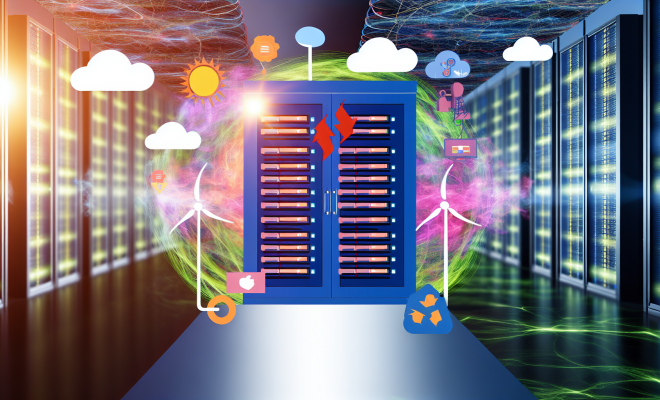
As the demand for digital services continues to skyrocket, states across the U.S. are grappling with the challenge of meeting ambitious clean energy targets. A critical factor in this struggle is the unprecedented energy consumption of data centers, particularly those driven by artificial intelligence (AI) technologies. This surge in power needs is threatening to undermine state objectives, such as Nevada’s commitment to achieving 50% renewable energy by 2030.
The Rising Demand for Power
Data centers are becoming increasingly vital as more organizations migrate to cloud-based solutions and leverage AI for various applications. In Nevada, for instance, the energy requirements of data centers are projected to be three times greater than what the city of Las Vegas consumes. This alarming statistic raises concerns about the state’s ability to transition to a cleaner energy grid while accommodating this soaring demand.
Impact on Renewable Energy Goals
Many states have set ambitious renewable energy goals, aiming to reduce their reliance on fossil fuels and combat climate change. Nevada’s target of 50% renewables by 2030 is a prime example of such commitments. However, the expansion of data centers is complicating these efforts. According to experts, the reliance on fossil fuels to meet the immediate electricity demand of these facilities could jeopardize progress toward cleaner energy sources.
Data Centers and Fossil Fuel Dependency
The increasing energy consumption from data centers is not just a local issue; it reflects a broader national trend. As states like Nevada strive to become leaders in clean energy, the growing need for electricity from data-intensive technologies is prompting a re-evaluation of energy strategies. Many utilities are facing a dilemma: how to supply the necessary power without reverting to fossil fuels.
In Nevada, the situation is particularly dire. With data centers requiring vast amounts of electricity, utility companies are finding it challenging to balance supply with demand while adhering to renewable energy targets. This struggle is compounded by policies that have historically favored coal and other fossil fuel sources, particularly in light of the regulatory landscape shaped by former President Donald Trump’s administration.
National Trends in Energy Consumption
The phenomenon is not limited to Nevada. Across the nation, states are experiencing similar challenges as they seek to transition to renewable energy. The demand from data centers is a significant factor hindering progress. According to the U.S. Energy Information Administration, electricity consumption in commercial data centers is expected to increase, potentially outpacing the growth of renewable energy sources.
- Data centers accounted for about 2% of total U.S. electricity consumption in 2020.
- By 2030, this figure could rise by 20% as more companies adopt cloud computing and AI technologies.
Balancing Energy Needs with Environmental Goals
As states navigate the complexities of energy consumption and renewable energy goals, a multifaceted approach is required. Policymakers must consider innovative solutions to support the growth of data centers while ensuring that clean energy initiatives remain on track. Some potential strategies include:
- Investing in Renewable Energy Infrastructure: Expanding solar, wind, and other renewable energy sources can help meet the rising demand for power.
- Implementing Energy Efficiency Standards: Encouraging data centers to adopt energy-efficient technologies can reduce overall consumption.
- Incentivizing Clean Energy Usage: Offering financial incentives for data centers that utilize renewable energy can help align their operations with state goals.
Future Considerations
The ongoing struggle to meet clean energy targets amid surging demand from data centers presents a critical challenge for states like Nevada. As the technology landscape evolves and AI becomes more prevalent, the pressure on energy resources will only increase. It is imperative for states to reassess their energy strategies, ensuring that they can fulfill both their renewable energy commitments and the growing power needs of the digital economy.
In conclusion, while the transition to cleaner energy is a noble goal, achieving such targets in the face of increasing energy demands from data centers requires a collaborative effort from policymakers, utilities, and technology companies. Only by aligning priorities can states hope to create a sustainable energy future that supports both economic growth and environmental stewardship.