The Tech Edvocate

Top Menu

  • Advertisement
  • Apps
  • Home Page
  • Home Page Five (No Sidebar)
  • Home Page Four
  • Home Page Three
  • Home Page Two
  • Home Tech2
  • Icons [No Sidebar]
  • Left Sidbear Page
  • Lynch Educational Consulting
  • My Account
  • My Speaking Page
  • Newsletter Sign Up Confirmation
  • Newsletter Unsubscription
  • Our Brands
  • Page Example
  • Privacy Policy
  • Protected Content
  • Register
  • Request a Product Review
  • Shop
  • Shortcodes Examples
  • Signup
  • Start Here
    • Governance
    • Careers
    • Contact Us
  • Terms and Conditions
  • The Edvocate
  • The Tech Edvocate Product Guide
  • Topics
  • Write For Us
  • Advertise

Main Menu

  • Start Here
    • Our Brands
    • Governance
      • Lynch Educational Consulting, LLC.
      • Dr. Lynch’s Personal Website
      • Careers
    • Write For Us
    • The Tech Edvocate Product Guide
    • Contact Us
    • Books
    • Edupedia
    • Post a Job
    • The Edvocate Podcast
    • Terms and Conditions
    • Privacy Policy
  • Topics
    • Assistive Technology
    • Child Development Tech
    • Early Childhood & K-12 EdTech
    • EdTech Futures
    • EdTech News
    • EdTech Policy & Reform
    • EdTech Startups & Businesses
    • Higher Education EdTech
    • Online Learning & eLearning
    • Parent & Family Tech
    • Personalized Learning
    • Product Reviews
  • Advertise
  • Tech Edvocate Awards
  • The Edvocate
  • Pedagogue
  • School Ratings

logo

The Tech Edvocate

  • Start Here
    • Our Brands
    • Governance
      • Lynch Educational Consulting, LLC.
      • Dr. Lynch’s Personal Website
        • My Speaking Page
      • Careers
    • Write For Us
    • The Tech Edvocate Product Guide
    • Contact Us
    • Books
    • Edupedia
    • Post a Job
    • The Edvocate Podcast
    • Terms and Conditions
    • Privacy Policy
  • Topics
    • Assistive Technology
    • Child Development Tech
    • Early Childhood & K-12 EdTech
    • EdTech Futures
    • EdTech News
    • EdTech Policy & Reform
    • EdTech Startups & Businesses
    • Higher Education EdTech
    • Online Learning & eLearning
    • Parent & Family Tech
    • Personalized Learning
    • Product Reviews
  • Advertise
  • Tech Edvocate Awards
  • The Edvocate
  • Pedagogue
  • School Ratings
  • The Silent Revolution: How AI Property Valuation Is Quietly Reshaping Real Estate

  • The Astonishing Truth: Why Your Dream Car Is Now a $52,000 Illusion

  • Toxic Algorithms: Why Your Bank’s AI Could Cost You Everything

  • OpenAI’s GPT-6 Cyber: A Dangerous New AI Threat or Our Ultimate Digital Guardian?

  • This Game-Changing Natural Ozempic Alternative Just Blew Up on Social Media

  • Bónuszösszeg, ingyen pörgetés és befizetési feltétel: üdvözlő és befizetés nélküli kaszinóajánlatok magyar játékosoknak

  • 9 Critical Reasons Why Athexio Might Be The Investment You Need (Or Should Avoid)

  • A Single Breakthrough Could Finally Kill Range Anxiety for Millions of EV Owners

  • Your Money, Their AI: The Secret Agents Invading Bank Accounts

  • US Battery as a Service Market Shifts Toward Fleet-Based Energy

Artificial Intelligence
Home›Artificial Intelligence›The Best Tool To Cut Spam Is Part Of The Package

The Best Tool To Cut Spam Is Part Of The Package
By Matthew Lynch
March 22, 2024
0
Spread the love

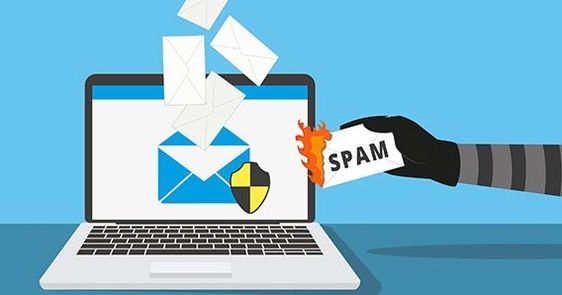
In the ever-evolving digital landscape, unsolicited emails, commonly known as spam, continue to clutter our inboxes, impeding productivity and exposing users to possible security risks. Surprisingly, the best tool to combat this nuisance is often already included within your email service package—a robust spam filter.

Most modern email platforms come equipped with sophisticated algorithms designed to identify and filter out spam messages before they ever reach your inbox. These filters use a variety of mechanisms such as blacklisting known spam domains, analyzing message content for typical spam characteristics, and employing machine learning techniques to adapt to new spamming tactics over time.

To maximize the efficiency of these filters, it’s essential for users to actively engage with their email settings. This means regularly updating filter sensitivities, marking missed spam messages accordingly, and setting up custom rules to address unique scenarios. By doing so, individuals can tailor the tool to better recognize and eliminate unwanted emails specific to their own experiences.

Furthermore, most of these packages allow for the whitelisting of trusted senders and domains, ensuring that critical emails from colleagues, friends, or important services are never mistakenly marked as spam. This balance between aggressive filtering and allowlisting creates a user-centric approach that significantly reduces the likelihood of ever seeing spam in your primary inbox.

Advanced features often include reporting tools that not only help improve your personal filtering system but also contribute data back to the service provider to enhance overall spam detection for all users on the platform. This crowd-sourced method of refining spam detection algorithms is a key aspect of why built-in tools are so effective at maintaining a clean inbox.

In conclusion, while standalone anti-spam software exists, most users can enjoy a largely spam-free experience by fully utilizing the tools provided within their existing email service package. With regular maintenance and smart setup of these built-in filters, combined with safe emailing practices such as not disclosing email addresses publicly or opening suspicious messages, dealing with spam can become a thing of the past.


Previous Article

Power Rangers: The 15 Best Costumes in ...

Next Article

Choosing the Best Bluetooth Keyboard for PC

Matthew Lynch

Related articles More from author

  • Artificial Intelligence

    Apple Reportedly Has Ingredients to Create its Own Search Engine

    February 1, 2024
    By Matthew Lynch
  • Artificial Intelligence

    All the Robots We Met At CES 2024, in One Place

    February 1, 2024
    By Matthew Lynch
  • Artificial IntelligenceOnline Learning & eLearning

    4 Ways That Machine Learning Can Improve Online Learning

    April 23, 2019
    By Matthew Lynch
  • Artificial Intelligence

    Can We Trust Scientific Discoveries Made Using Machine Learning?

    July 25, 2019
    By Matthew Lynch
  • Artificial Intelligence

    George R.R. Martin and Other Authors Sue ChatGPT-Maker OpenAI

    February 3, 2024
    By Matthew Lynch
  • Artificial Intelligence

    I Asked AI to Recommend a Mattress. Here’s How It Compares to Advice From an Expert

    February 2, 2024
    By Matthew Lynch

Search

Login & Registration

  • Log in
  • Entries feed
  • Comments feed
  • WordPress.org

Newsletter

Signup for The Tech Edvocate Newsletter and have the latest in EdTech news and opinion delivered to your email address!

About Us

Since technology is not going anywhere and does more good than harm, adapting is the best course of action. That is where The Tech Edvocate comes in. We plan to cover the PreK-12 and Higher Education EdTech sectors and provide our readers with the latest news and opinion on the subject. From time to time, I will invite other voices to weigh in on important issues in EdTech. We hope to provide a well-rounded, multi-faceted look at the past, present, the future of EdTech in the US and internationally.

We started this journey back in June 2016, and we plan to continue it for many more years to come. I hope that you will join us in this discussion of the past, present and future of EdTech and lend your own insight to the issues that are discussed.

Newsletter

Signup for The Tech Edvocate Newsletter and have the latest in EdTech news and opinion delivered to your email address!

Contact Us

The Tech Edvocate
910 Goddin Street
Richmond, VA 23231
(601) 630-5238
[email protected]

Copyright © 2026 Matthew Lynch. All rights reserved.