The August 2026 Eclipse: 8 Critical Steps You MUST Take Now
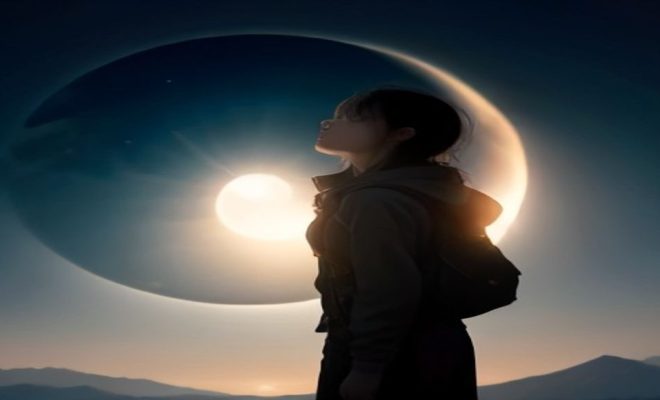
Alright, fellow sky-gazers, mark your calendars! August 12, 2026, isn’t just another day; it’s the date of a spectacular total solar eclipse that will sweep across parts of our planet, offering a truly once-in-a-lifetime experience for those lucky enough to be in its path. And if you’re even remotely considering witnessing this celestial ballet, you absolutely need to start planning now. This isn’t a last-minute road trip kind of event; it requires foresight, preparation, and a healthy respect for both the cosmos and your own safety. We’re also staring down the peak of the Perseid meteor shower right after, and a partial lunar eclipse later in the month. It’s truly a blockbuster August for astronomy enthusiasts.
But let’s be real: the main event, the solar eclipse, is what’s truly capturing everyone’s imagination. You’ve probably heard the buzz, maybe even some of the wilder, totally debunked rumors about gravity disappearing for seven seconds (spoiler alert: it won’t!). That kind of sensationalism just proves how much collective fascination these events command. So, instead of getting sidetracked by fiction, let’s focus on reality and on how to prepare for the August 2026 solar eclipse, ensuring you have the safest, most unforgettable viewing experience possible. Trust me, you don’t want to miss this, and you definitely don’t want to be caught unprepared.
1. Pinpoint Your Viewing Location: Where the Magic Happens
This is arguably the single most crucial step in your eclipse planning. A total solar eclipse isn’t visible everywhere; it follows a very specific, relatively narrow path across the Earth’s surface. For the August 2026 event, that path of totality will begin in Greenland, then sweep across Iceland, and finally move over northern Spain and Portugal. If you’re not in this path, you’ll only experience a partial eclipse – which is still cool, but it’s not the same breathtaking phenomenon as totality.
Think about it: during totality, the sky darkens dramatically, the temperature drops, and the sun’s ethereal corona becomes visible. It’s an experience that evokes primal awe, something you simply have to witness firsthand. So, if your goal is to see the total eclipse, you need to be in one of those specific regions. Start researching travel options to places like Reykjavik, Iceland, or cities in northern Spain like Gijón or Santander. These locations are already anticipating massive influxes of visitors, so accommodation and flights will book up incredibly fast. Don’t wait until 2025; begin exploring travel packages and flights *now* if you’re serious about chasing totality.
2. Secure Your Accommodation & Travel Early: The Early Bird Gets the Room
Once you’ve zeroed in on your preferred viewing country or city, the next step is to lock down your logistics. This isn’t just about booking a hotel; it’s about securing flights, rental cars (if needed), and any other transportation you might require. Major cities within the path of totality, especially those with international airports, will be prime targets for eclipse chasers. We’re talking about places like Reykjavik in Iceland, which offers a unique blend of natural beauty and accessibility, or cities along the northern coast of Spain, which boast beautiful landscapes and cultural richness.
Consider looking beyond traditional hotels. Airbnbs, guesthouses, and even camping sites (if permitted and equipped) could be viable options, though they too will see immense demand. Many tour operators are already putting together dedicated eclipse-chasing packages that bundle flights, accommodation, and even guided viewing experiences. While these can be pricier, they often take the stress out of planning and ensure you’re in a prime location. Remember, infrastructure in some of these regions might be strained, so having everything confirmed well in advance will save you a world of headaches.
3. Prioritize Eye Safety: Non-Negotiable Protection
This cannot be stressed enough: looking directly at the sun, even during a partial eclipse, without proper eye protection can cause severe and permanent eye damage, including blindness. Your everyday sunglasses are absolutely not sufficient. You need certified solar eclipse glasses or viewers that meet the ISO 12312-2 international safety standard. These glasses are designed to filter out nearly 100% of harmful ultraviolet, infrared, and intense visible light.
When you’re looking for these, make sure they come from reputable manufacturers. Counterfeit glasses are a real problem during eclipse events, and they offer no protection whatsoever. Buy them from trusted astronomical retailers, science museums, or directly from manufacturers known for producing certified eclipse products. Inspect your glasses carefully before use for any scratches, tears, or damage. If they’re compromised, don’t use them. During totality, and *only* during totality, is it safe to remove your glasses to view the sun’s corona directly. The moment the sun begins to reappear, however, you must put them back on immediately.
4. Equip Yourself for Enhanced Viewing (Optional but Recommended): Beyond the Naked Eye
While the naked eye view of a total solar eclipse is incredibly powerful, many enthusiasts opt for additional equipment to enhance their experience. This is where telescopes, binoculars, and cameras come into play. However, just like with your eyes, these devices *must* be fitted with proper solar filters. Attaching a certified solar filter to the front of your telescope or binoculars is crucial for safe viewing and imaging during the partial phases of the eclipse.
Without these specialized filters, pointing an unfiltered optical instrument at the sun is incredibly dangerous, as it concentrates the sun’s rays to an intense degree, which can instantly damage your equipment and, if you look through it, your eyes. If you’re a photographer, a telephoto lens with a solar filter will allow you to capture stunning images of the partial phases and, if you’re quick and careful, the corona during totality. Practice using your equipment with the filters well before the eclipse day to get comfortable with the setup and ensure everything is working correctly. (See: Understanding solar eclipses.)
5. Understand the Science and What to Expect: The Full Experience
A solar eclipse isn’t just a visual spectacle; it’s a multi-sensory experience. Knowing what to expect will deepen your appreciation and help you notice subtle phenomena that might otherwise be missed. As the moon slowly begins to obscure the sun, you’ll notice a gradual dimming of the daylight. The light will take on an eerie, silvery quality, unlike anything you’ve experienced before. Pay attention to shadows; you might see crescent-shaped shadows cast by tree leaves, acting as natural pinhole cameras.
Just before totality, look for ‘Baily’s Beads,’ which are beads of sunlight shining through the valleys and craters on the moon’s limb. These quickly give way to the ‘Diamond Ring’ effect, a single brilliant point of light, like a diamond on a cosmic ring. Then, totality hits. The sky darkens to a twilight hue, planets and bright stars might become visible, and the sun’s magnificent corona, its outer atmosphere, will blaze forth. Animals often react to the sudden darkness, becoming quiet or exhibiting unusual behaviors. Knowing these stages will allow you to savor each moment and truly immerse yourself in the phenomenon. For more context, see Best GoPro app features 2026.
6. Pack Smart and Stay Flexible: Prepared for Anything
Regardless of where you choose to view the eclipse, smart packing is essential. Beyond your eclipse glasses and any viewing equipment, consider the local weather. August in Iceland can be cool and damp, while Spain might be hot and sunny. Layers of clothing are always a good idea. Bring plenty of water and snacks, as local amenities might be overwhelmed on eclipse day. A portable charger for your phone and camera is also a must, especially if you’re in a remote location.
Flexibility is also key. Weather is the ultimate wild card for any astronomical event. Clouds can obscure the view, even if you’re in the path of totality. Have a backup plan if possible, or at least be mentally prepared for the possibility of less-than-ideal conditions. Monitor local weather forecasts in the days leading up to the eclipse, and be ready to adjust your specific viewing spot within the path if a clearer sky is predicted nearby. Sometimes, moving just a few miles can make all the difference. 2026 eclipse insights offers useful background here.
7. Consider Combining It with Other Celestial Events: An August to Remember
What makes August 2026 even more special is that the total solar eclipse isn’t the only show in the sky. The Perseid meteor shower, one of the most reliable and spectacular meteor showers of the year, peaks around August 13. While the moon’s phase might impact visibility slightly, being in a dark-sky location for the eclipse could also set you up for some fantastic meteor viewing just a day later. Imagine witnessing a total solar eclipse followed by shooting stars – talk about a cosmic double feature!
Later in the month, around August 27/28, there’s also a partial lunar eclipse. This means the Earth’s shadow will fall across the moon, dimming a portion of its surface. While not as dramatic as a total solar eclipse, it’s another beautiful celestial event to observe. If your travel plans allow, extending your trip slightly could give you the chance to experience these additional astronomical wonders, truly making August 2026 an unforgettable month for skywatching.
8. Beware of Hoaxes and Misinformation: Stick to Science
As with any major celestial event, especially one that captures such widespread public interest, misinformation tends to spread like wildfire. We’ve already seen the ridiculous (and completely false) claims about Earth losing gravity for seven seconds on August 12, 2026. While these rumors might seem harmless, they can distract from crucial safety information and create unnecessary panic or confusion. Always rely on credible sources for your eclipse information: reputable astronomical organizations, university astronomy departments, and established science news outlets.
Don’t fall for sensational headlines or conspiracy theories. Stick to the science, verify your sources, and help others do the same. The real science behind a total solar eclipse is far more awe-inspiring than any made-up story. Understanding the intricate dance of the Earth, Moon, and Sun, and the rare alignment that makes these events possible, is a wonder in itself. Focus on the genuine marvel of the cosmos, not on the noise.
9. Understanding the Path of Totality: A Closer Look at Prime Locations
Let’s dive a little deeper into the specific regions offering the best views for the August 2026 total solar eclipse. Knowing the specifics can help you make a more informed decision about where to set up camp.
Greenland: The Arctic Frontier
The eclipse begins its journey over Greenland, offering a unique, rugged, and remote viewing experience. Totality will be visible from areas like the Scoresby Sound, a massive fjord system. While breathtaking, travel to these parts of Greenland is often complex, requiring specialized expeditions or cruise ships. Weather conditions can be highly unpredictable, even in August, with a higher chance of cloud cover compared to more southerly locations. If you’re an adventurous soul looking for an extreme eclipse experience, this might be for you, but it requires significant logistical planning and a robust budget. You’ll likely be dealing with fewer crowds, but also fewer amenities.
Iceland: Land of Fire and Ice
Iceland is arguably one of the most accessible and popular destinations for this eclipse. The path of totality crosses the entire island, including its capital, Reykjavik. This means many existing tourist infrastructures can be leveraged. Imagine seeing the sun’s corona against a backdrop of volcanic landscapes, glaciers, or the dramatic coastline. While August is a popular tourist month in Iceland, the eclipse will undoubtedly swell numbers even further. Expect high demand for flights, accommodation, and rental cars across the country. Key viewing spots might include the Snæfellsnes Peninsula, the Golden Circle area, or regions along the south coast. The trade-off here is potential cloud cover; while August can be relatively clear, Iceland’s weather is notoriously fickle. Having flexibility to move within the island if a clear patch is predicted will be crucial. (See: NASA's guide to the 2026 eclipse.)
Spain: Iberian Sunshine
After Iceland, the eclipse sweeps across northern Spain, offering what might be the best chance for clear skies. The path will cross regions like Galicia, Asturias, Cantabria, and the Basque Country. Cities like Gijón, Santander, and Bilbao are directly in the path. This part of Spain is known for its beautiful coastline, mountains, and rich culture. August is typically warm and sunny in Spain, making it a strong contender for optimal viewing conditions. The existing excellent road network and tourist infrastructure make travel relatively straightforward, though, like Iceland, demand will be extraordinarily high. Consider booking well outside major cities for potentially clearer skies and fewer immediate crowds, but ensure you’re still firmly within the path of totality. Rural guesthouses (“casas rurales”) could offer a charming alternative to city hotels.
Portugal: A Glimpse of Totality
A very small sliver of northeastern Portugal will also experience totality. This includes parts of the Bragança district. While the duration of totality here might be slightly shorter than in other prime locations, it still offers an opportunity for those preferring a Portuguese experience. The weather here in August is usually hot and dry, presenting a good chance of clear skies. However, infrastructure might be less geared towards mass tourism compared to coastal Spain, so planning for essentials like food, water, and fuel is important if venturing into more remote areas. For more context, see Canva iOS vs Mojo app comparison.
10. The Human Element: Community, Culture, and Collective Awe
While the scientific aspect of a solar eclipse is fascinating, there’s a profound human element that often gets overlooked in the planning guides. Witnessing a total solar eclipse is a deeply communal experience. People travel from all corners of the globe, united by a shared sense of wonder. The atmosphere in eclipse towns and viewing sites is often electric, a mix of anticipation, excitement, and eventually, profound silence.
Think about the cultural aspect too. If you choose to view the eclipse in Iceland or Spain, you’ll be immersed in a unique culture. Local communities often embrace these events, hosting festivals, educational talks, and viewing parties. Engaging with locals, trying regional cuisine, and understanding the cultural significance of the celestial event can enrich your experience far beyond just the moments of totality. It’s an opportunity for shared humanity, a moment where differences dissolve under the vastness of the cosmos.
The collective gasp, the sudden hush, the shared tears of joy or awe – these are as much a part of the eclipse experience as the astronomical phenomena themselves. Don’t just plan for the sky; plan for the people you’ll meet and the memories you’ll create with them. Share your glasses, strike up conversations, and allow yourself to be part of something truly global and unifying.
11. Post-Eclipse Reflections: Integrating the Experience
After the last sliver of the sun returns and the world brightens, there’s often an emotional afterglow. Many describe feeling a sense of connection to the universe, a renewed perspective on our place within it. Take time to reflect on what you’ve seen and felt. Journal your thoughts, share stories with fellow observers, or simply sit in quiet contemplation.
This feeling isn’t unique; it’s a common response to such a powerful natural event. Historically, eclipses have inspired art, literature, and scientific inquiry. For you, it might spark a deeper interest in astronomy, a desire to travel more, or simply a profound appreciation for the beauty of our world and beyond. Don’t rush back to normalcy; allow the experience to settle and resonate. It’s a gift from the cosmos, and its impact can last long after the shadow has passed.
So, there you have it: your comprehensive guide on how to prepare for the August 2026 solar eclipse. This is an event that people travel across the globe to see, and for good reason. It’s a profound, emotional, and utterly beautiful experience that connects you directly to the vastness of our solar system. Start planning now, prioritize safety, and get ready to be absolutely blown away by one of nature’s most magnificent spectacles. You won’t regret it.
Frequently Asked Questions about the August 2026 Solar Eclipse
Q1: How long will totality last during the August 2026 eclipse?
A1: The maximum duration of totality for the August 2026 solar eclipse will be around 2 minutes and 18 seconds. This occurs over the Atlantic Ocean. For land-based observers, the duration will vary depending on your exact location within the path. For example, in parts of Iceland, you might experience around 1 minute 45 seconds to 2 minutes of totality, while in northern Spain, it could be slightly less, around 1 minute to 1 minute 30 seconds. Even a minute of totality is an incredibly powerful experience! (See: Sun exposure safety guidelines.)
Q2: Is it safe to take photos of the eclipse with my phone?
A2: You can take photos of the partial phases of the eclipse with your phone, but you absolutely need a certified solar filter specifically designed for phone cameras. Pointing an unfiltered phone camera directly at the sun can damage the camera’s sensor. During totality, when it’s safe to look directly at the corona, you can take photos without a filter. However, phone cameras typically struggle to capture the subtle details of the corona, and you’ll likely get better results with a dedicated camera and telephoto lens. Remember, never look at the sun through your phone screen without proper eye protection during the partial phases.
Q3: What if it’s cloudy on eclipse day?
A3: Cloud cover is the biggest variable for any eclipse chaser. While frustrating, it’s a risk you take with any astronomical event. Your best strategy is to monitor weather forecasts closely in the days leading up to the eclipse and have a flexible plan. If you’re traveling by car, you might be able to move a short distance to a clearer spot within the path of totality. If you’re on a fixed tour, you’ll need to be mentally prepared for the possibility. Even with clouds, the sky will still darken dramatically, and you’ll experience the temperature drop and animal reactions, but you’ll miss the visual spectacle of the corona. Sometimes, even a brief break in the clouds can offer a glimpse!
Q4: Can I reuse my solar eclipse glasses from a previous eclipse?
A4: Yes, if they are still in perfect condition. Carefully inspect your eclipse glasses for any scratches, tears, pinholes, or damage to the filters. If there’s any compromise, even a tiny one, discard them and get a new pair. Store them in a safe, dry place, ideally in their original packaging or a protective case, to prevent damage. Always ensure they still meet the ISO 12312-2 international safety standard.
Q5: What’s the difference between a total solar eclipse and a partial solar eclipse?
A5: A partial solar eclipse happens when the moon only covers a portion of the sun. It’s interesting to watch, but the sky doesn’t darken significantly, and you must use certified eye protection at all times to view it safely. A total solar eclipse occurs when the moon completely covers the sun, briefly revealing the sun’s ethereal corona. During the brief period of totality (when the sun is 100% obscured), it is safe to remove your eye protection and view the corona directly. The difference in experience is truly night and day – a partial eclipse is like seeing a bite taken out of the sun, while a total eclipse is a profound, multi-sensory cosmic event.
Q6: Are there any specific apps or websites I should use to plan my trip?
A6: Absolutely! For eclipse planning, start with reputable sources like NASA’s eclipse pages, Time and Date’s eclipse sections, or sites like greatamericaneclipse.com (which also covers international eclipses). These provide detailed maps of the path of totality, local timings, and safety information. For travel, use standard travel aggregators for flights and accommodation, but also consider specialized eclipse tour operators. Weather apps with real-time radar and cloud cover predictions will be invaluable closer to the date.
Q7: What about crowds? How can I avoid them?
A7: Avoiding crowds entirely during a major total solar eclipse is nearly impossible, especially in popular viewing locations. However, you can mitigate their impact. Consider staying in smaller towns or rural areas within the path of totality rather than major cities. Arrive early at your chosen viewing spot, or scout out less-known locations beforehand. If you’re willing to venture a bit off the beaten path (while staying safe and within the totality zone), you might find a more serene experience. Sometimes, organized tours can help manage crowds by securing private viewing sites, though this comes at a premium.
Q8: Will cellular service or internet be affected on eclipse day?
A8: It’s a real possibility. With a massive influx of people into specific regions, local cellular towers and Wi-Fi networks can become overloaded, leading to slow speeds or even complete outages. Plan to have important information (maps, reservations, emergency contacts) downloaded offline. A portable power bank for your devices is also a smart move, as finding an available outlet might be tough. This is another reason to confirm travel and accommodation well in advance, and perhaps carry some cash for unforeseen circumstances.
Trending Now
Frequently Asked Questions
When is the next total solar eclipse?
The next total solar eclipse will occur on August 12, 2026. This spectacular event will be visible along a path that includes parts of Greenland, Iceland, and northern Spain and Portugal.
What should I do to prepare for the solar eclipse?
To prepare for the August 2026 solar eclipse, you should pinpoint your viewing location along the path of totality, arrange travel accommodations in advance, and ensure you have proper solar viewing glasses to protect your eyes.
Where can I see the solar eclipse in 2026?
The total solar eclipse on August 12, 2026, can be seen in regions along the path of totality, which includes Greenland, Iceland, and parts of northern Spain and Portugal. Being within this path is essential for experiencing the full effect of totality.
Is it safe to look at a solar eclipse?
It is not safe to look directly at a solar eclipse without proper eye protection. Special solar viewing glasses or eclipse filters are necessary to protect your eyes from harmful solar radiation during the event.
What else can I see during the August 2026 eclipse month?
In addition to the solar eclipse on August 12, 2026, astronomy enthusiasts can also look forward to the peak of the Perseid meteor shower and a partial lunar eclipse later in the month, making it an exciting time for sky-gazing.
Agree or disagree? Drop a comment and tell us what you think.