The Art of StarCraft: Visual Design and Worldbuilding
The visual design of StarCraft plays a crucial role in bringing its science fiction universe to life. From the gritty, industrial aesthetic of the Terrans to the organic, alien designs of the Zerg and the sleek, advanced technology of the Protoss, every aspect of the game’s art contributes to its unique atmosphere and storytelling.
StarCraft’s art direction was led by Samwise Didier, who faced the challenge of creating three visually distinct races that were each compelling and believable. The result was a triumphant blend of science fiction tropes and original designs that have become iconic in the gaming world.
The Terran design draws heavily from classic science fiction, particularly the “used future” aesthetic popularized by films like “Alien” and “Blade Runner.” Terran structures and units have a utilitarian, industrial feel, with exposed pipes, riveted metal, and practical designs. The SCVs (Space Construction Vehicles) and siege tanks exemplify this style, looking like practical military hardware rather than sleek futuristic designs.
In contrast, the Zerg represent organic, alien horror. Their designs are a nightmarish fusion of insect, reptile, and other animal features, creating a sense of otherworldly threat. The Zerg’s living structures, like the pulsating Hatchery or the grotesque Spawning Pool, reinforce their nature as a biological swarm rather than a technological civilization.
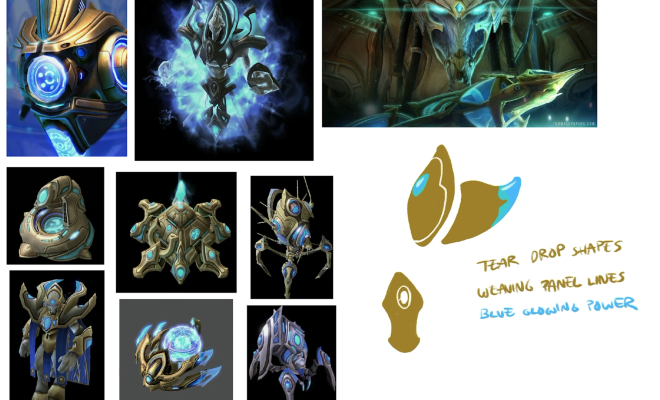
The Protoss occupy the other end of the spectrum, with designs that embody advanced alien technology. Their units and buildings feature smooth, elegant lines and glowing energy fields, suggesting a mastery of physics beyond human understanding. The iconic Protoss Carrier, with its sleek design and swarm of interceptors, perfectly encapsulates this aesthetic.
Beyond unit and building design, StarCraft’s art team created rich, diverse environments for these races to inhabit and battle over. From the harsh deserts of Mar Sara to the lush jungles of Aiur and the asteroid fields of space platforms, each map tells its own visual story.
The game’s cutscenes, particularly in later iterations of the series, push the boundaries of computer animation. The opening cinematic of StarCraft II: Wings of Liberty, showing a Terran Marine suit up for battle, became famous for its attention to detail and dramatic flair.
Character design in StarCraft is equally impressive. Iconic characters like Sarah Kerrigan, both in her human and Zerg Queen of Blades forms, Jim Raynor with his space marine armor and revolver, and the regal Protoss Executor Artanis are instantly recognizable and have become symbols of the franchise.
The art of StarCraft extends beyond the game itself. Concept art, promotional materials, and tie-in products like action figures and collectibles all contribute to the visual richness of the StarCraft universe. The StarCraft Field Manual, released in 2015, provides a wealth of detailed illustrations and in-universe documents that further flesh out the look and feel of the game’s world.
StarCraft’s visual design has evolved over the years, particularly with the transition to 3D graphics in StarCraft II. However, the core aesthetic principles established in the original game remain intact, allowing for a sense of continuity while leveraging advances in graphics technology.
The game’s art has had a significant impact on the broader science fiction landscape. Its depiction of a gritty, lived-in future and its distinctive alien designs have influenced countless other works in games, film, and literature.
Moreover, StarCraft’s visual design plays a crucial role in gameplay. Each unit and structure is designed to be instantly recognizable even in the heat of battle, allowing players to make split-second decisions based on visual information. This careful balance of aesthetic appeal and functional design is a hallmark of StarCraft’s art direction.
In conclusion, the art of StarCraft is a triumph of science fiction design. It creates a visually rich and diverse universe that not only looks stunning but also serves the needs of the gameplay and storytelling. From the smallest Zergling to the massive Battlecruisers, every element of StarCraft’s visual design contributes to its enduring appeal and its status as a classic of game art.