The Tech Edvocate

Top Menu

  • Advertisement
  • Apps
  • Home Page
  • Home Page Five (No Sidebar)
  • Home Page Four
  • Home Page Three
  • Home Page Two
  • Home Tech2
  • Icons [No Sidebar]
  • Left Sidbear Page
  • Lynch Educational Consulting
  • My Account
  • My Speaking Page
  • Newsletter Sign Up Confirmation
  • Newsletter Unsubscription
  • Our Brands
  • Page Example
  • Privacy Policy
  • Protected Content
  • Register
  • Request a Product Review
  • Shop
  • Shortcodes Examples
  • Signup
  • Start Here
    • Governance
    • Careers
    • Contact Us
  • Terms and Conditions
  • The Edvocate
  • The Tech Edvocate Product Guide
  • Topics
  • Write For Us
  • Advertise

Main Menu

  • Start Here
    • Our Brands
    • Governance
      • Lynch Educational Consulting, LLC.
      • Dr. Lynch’s Personal Website
      • Careers
    • Write For Us
    • The Tech Edvocate Product Guide
    • Contact Us
    • Books
    • Edupedia
    • Post a Job
    • The Edvocate Podcast
    • Terms and Conditions
    • Privacy Policy
  • Topics
    • Assistive Technology
    • Child Development Tech
    • Early Childhood & K-12 EdTech
    • EdTech Futures
    • EdTech News
    • EdTech Policy & Reform
    • EdTech Startups & Businesses
    • Higher Education EdTech
    • Online Learning & eLearning
    • Parent & Family Tech
    • Personalized Learning
    • Product Reviews
  • Advertise
  • Tech Edvocate Awards
  • The Edvocate
  • Pedagogue
  • School Ratings

logo

The Tech Edvocate

  • Start Here
    • Our Brands
    • Governance
      • Lynch Educational Consulting, LLC.
      • Dr. Lynch’s Personal Website
        • My Speaking Page
      • Careers
    • Write For Us
    • The Tech Edvocate Product Guide
    • Contact Us
    • Books
    • Edupedia
    • Post a Job
    • The Edvocate Podcast
    • Terms and Conditions
    • Privacy Policy
  • Topics
    • Assistive Technology
    • Child Development Tech
    • Early Childhood & K-12 EdTech
    • EdTech Futures
    • EdTech News
    • EdTech Policy & Reform
    • EdTech Startups & Businesses
    • Higher Education EdTech
    • Online Learning & eLearning
    • Parent & Family Tech
    • Personalized Learning
    • Product Reviews
  • Advertise
  • Tech Edvocate Awards
  • The Edvocate
  • Pedagogue
  • School Ratings
  • Toxic Pills: This Supplement Scandal Puts Millions at Risk

  • Urgent Dog Supplement Recall: This Stealthy Threat Could Be Hiding in Your Pantry!

  • Staggering: Climate Tech Fundraising Collapses — Is AI to Blame?

  • Global AI stocks tumble as industry’s biggest names sound alarm – The Straits Times

  • Sony’s Controversial Move: Why the Last of Us Part II Multiplayer Mod Got Axed

  • Trump’s Wild AI Claims: Is There a ‘Sick Conspiracy’ Against Tech?

  • This One Thing Is Turning Classrooms Into Culture War Battlegrounds

  • Your AI Detector Is Useless: Why Universities Are Scrapping ‘Catch & Ban’ for This

  • Terrifying: AI Is About to Break Cybersecurity – And No One Is Ready

  • Volkswagen’s Staggering Miscalculation: 50,000 Jobs Vanish as EV Dream Sours

Elementary EducationOnline Learning & eLearning
Home›Elementary Education›That Emoji Might Not Look the Same On Your Friend’s Phone

That Emoji Might Not Look the Same On Your Friend’s Phone
By Matthew Lynch
March 19, 2023
0
Spread the love

Emojis have become an essential part of modern communication, and we use them to express our feelings, reactions and thoughts in a fun and creative way. But did you know that the emoji you send to your friend might not look the same on their phone as it does on yours?

Emojis are created and regulated by the Unicode Consortium, which is a non-profit organization responsible for standardizing text and symbols across different devices and platforms. The Unicode Standard assigns each emoji a unique code point, which ensures that they are interpreted and displayed consistently across different devices, operating systems and applications.

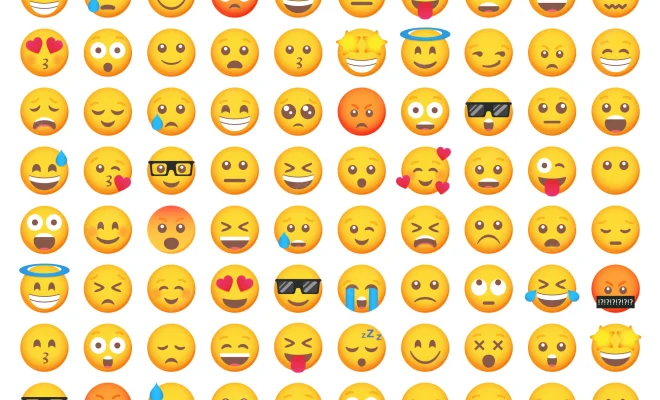
However, the visual design of each emoji is decided by the vendor or manufacturer, such as Apple, Google, Samsung, and others. This means that different vendors may create their own versions of the same emoji, using different colors, shapes, and expressions. For example, the “smiling face with sunglasses” emoji looks slightly different on an iPhone than it does on an Android device.

The variations in emoji design may seem minor, but they can cause misunderstandings or misinterpretations in communication. A smiling face on one device may appear as a neutral or sad face on another device, leading to confusion and frustration. Additionally, different platforms may not support certain emojis, which means they may not display at all or appear as a blank box.

To address these issues, the Unicode Consortium regularly updates the Unicode Standard with new emojis and guidelines for their design. Vendors are encouraged to adopt the standard to ensure compatibility and consistency across devices. However, the final decision on how an emoji looks ultimately rests with the vendor, which means there may still be differences in design and compatibility.

So the next time you send an emoji to a friend, keep in mind that it might not look exactly the same on their device as it does on yours. While emoji variations might seem insignificant, they can affect how we communicate and convey our emotions. To avoid misunderstandings, it’s good to use emojis sparingly and supplement them with clear and direct language


Previous Article

The 4 Best HDMI Cables

Next Article

Start Menu Not Working in Windows 11? ...

Matthew Lynch

Related articles More from author

  • Higher Education EdTechOnline Learning & eLearning

    How to Make Your Online Course Interactive

    February 4, 2020
    By Matthew Lynch
  • Online Learning & eLearning

    Online Learning: 6 Reasons Why It Can Be Effective

    March 9, 2023
    By Matthew Lynch
  • Online Learning & eLearning

    Stunning DIY LED Projects to Try This Summer

    June 6, 2023
    By Matthew Lynch
  • Online Learning & eLearning

    I’ll Get to It Tomorrow: Procrastination in Online Learning

    December 3, 2020
    By Matthew Lynch
  • Online Learning & eLearning

    Tips To Conduct A Gap Analysis For Your LMS Marketing Strategy

    December 20, 2019
    By Matthew Lynch
  • Adaptive LearningAdult EducationClassroom ManagementEarly ChildhoodEarly Childhood & K-12 EdTechElementary EducationElementary SchoolHigh SchoolHigher EducationK-12Matthew LynchMiddle SchoolMiddle School EducationOnline Learning & eLearningPreK-12Secondary EducationSpecial EducationStudents

    The Two Main Barriers Against Deep Learning

    October 23, 2020
    By Matthew Lynch

Search

Login & Registration

  • Log in
  • Entries feed
  • Comments feed
  • WordPress.org

Newsletter

Signup for The Tech Edvocate Newsletter and have the latest in EdTech news and opinion delivered to your email address!

About Us

Since technology is not going anywhere and does more good than harm, adapting is the best course of action. That is where The Tech Edvocate comes in. We plan to cover the PreK-12 and Higher Education EdTech sectors and provide our readers with the latest news and opinion on the subject. From time to time, I will invite other voices to weigh in on important issues in EdTech. We hope to provide a well-rounded, multi-faceted look at the past, present, the future of EdTech in the US and internationally.

We started this journey back in June 2016, and we plan to continue it for many more years to come. I hope that you will join us in this discussion of the past, present and future of EdTech and lend your own insight to the issues that are discussed.

Newsletter

Signup for The Tech Edvocate Newsletter and have the latest in EdTech news and opinion delivered to your email address!

Contact Us

The Tech Edvocate
910 Goddin Street
Richmond, VA 23231
(601) 630-5238
[email protected]

Copyright © 2026 Matthew Lynch. All rights reserved.