Tesla’s Stock Surge Amid Political Pressure: A Look at the U.S.-China EV Rivalry
Introduction
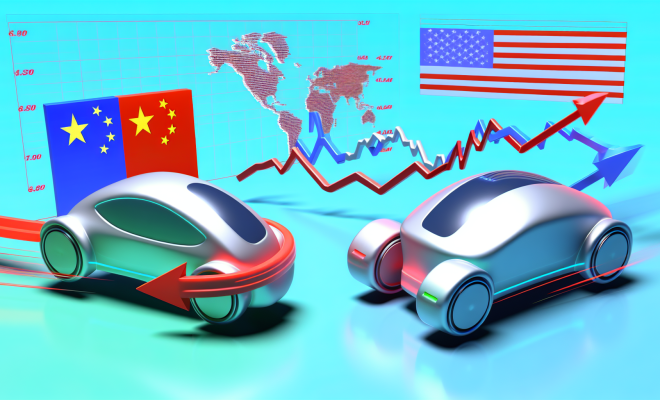
On April 29, 2026, Tesla Inc. (TSLA) shares saw a modest rise of 0.3% in premarket trading, signaling a potential turnaround for the electric vehicle (EV) manufacturer after a challenging three-month stretch. This uptick in stock price comes in the wake of a significant political development: U.S. lawmakers have begun to exert pressure on President Donald Trump to consider barring Chinese electric vehicle competitors from entering the U.S. market. This unfolding situation highlights the intensifying rivalry between the U.S. and China in the fast-evolving EV sector.
The Current Landscape of Tesla and EV Market
Tesla has long been a dominant player in the global electric vehicle market, known for its innovative technology and strong brand loyalty. As of late April 2026, TSLA stock is on track to conclude the month on a positive note, climbing over 1% throughout April. This is a significant rebound, especially considering the company’s performance over the previous three months, which saw a downturn amid increasing competition and market uncertainties.
Understanding the Stock Performance
The recent rise in Tesla’s stock can be attributed to several factors:
- Market Sentiment: Investors are reacting positively to the news surrounding potential restrictions on Chinese competitors, which could protect Tesla’s market share in the U.S.
- Company Performance: Tesla’s recent announcements regarding production and sales figures may have also contributed to the positive sentiment surrounding the stock.
- Political Climate: The push from U.S. lawmakers suggests a shift in policy that could favor domestic manufacturers, further boosting investor confidence in Tesla.
Political Pressure on the Trump Administration
The calls from U.S. lawmakers to block Chinese electric vehicle rivals reflect a broader strategy to bolster American manufacturing and protect national interests. This political pressure is not merely a reaction to market dynamics but is part of a larger narrative about economic and technological competition between the United States and China.
Why the Focus on Chinese EV Rivals?
Chinese electric vehicle manufacturers have gained significant ground in recent years, often benefiting from government subsidies and favorable policies that allow them to produce vehicles at a lower cost. As these companies continue to expand their operations globally, concerns have emerged regarding their impact on U.S. automotive jobs and industry standards.
- Market Disruption: Chinese EV manufacturers have the potential to disrupt the U.S. market with competitively priced vehicles, which could undermine the market position of established players like Tesla.
- Technological Competition: The race for technological supremacy in the EV sector is fierce, and there are concerns that Chinese firms may outpace U.S. companies in innovation if left unchecked.
- National Security: Lawmakers argue that allowing Chinese companies greater access to the U.S. market poses risks not just to the economy, but to national security as well, as technology transfer and espionage are significant concerns.
Tesla’s Response to Market Dynamics
In response to the competitive landscape and political climate, Tesla has remained proactive. The company is continuously innovating its product line, enhancing production capabilities, and expanding its global presence. In addition to maintaining a focus on its core electric vehicle offerings, Tesla is also investing in battery technology and energy solutions, which are critical components of the EV ecosystem.
Product Innovations and Future Plans
Tesla’s commitment to innovation is evident in its upcoming products and technologies:
- New Models: The company is expected to unveil new vehicle models that cater to different market segments, including more affordable options aimed at increasing mass adoption.
- Battery Technology: Tesla continues to invest heavily in battery technology, which is crucial for improving vehicle range, reducing costs, and enhancing overall performance.
- Global Expansion: The company is actively pursuing international markets, including Europe and Asia, to offset any potential losses in the U.S. due to increased competition.
The Broader Implications of U.S.-China Competition
The push to limit Chinese EV competition has broader implications beyond just the automotive sector. It reflects a growing sentiment in the U.S. regarding economic independence and self-sufficiency in key industries. This competition may reshape not only the EV market but also the global economic landscape.
Impact on Consumers
For consumers, the implications of this political maneuvering are multifaceted:
- Pricing Dynamics: If Chinese EVs are restricted from entering the U.S. market, Tesla and other domestic manufacturers may have less pricing pressure, potentially leading to higher prices for consumers.
- Innovation Pace: The competition between U.S. and Chinese firms could drive innovation, benefiting consumers with better products and services.
- Product Variety: A more insulated U.S. market may limit consumer choices, as fewer competitors would mean less diversity in available models.
Conclusion
The rise of Tesla’s stock in premarket trading on April 29, 2026, amidst political pressures and the ongoing rivalry with Chinese electric vehicle manufacturers, underscores the complexities of the current automotive landscape. As lawmakers push for protective measures, both Tesla and its competitors will need to navigate not only market challenges but also the intricate web of geopolitical factors that influence the future of electric vehicles in the United States.
With Tesla’s commitment to innovation and growth, the company is poised to adapt to these changes. However, the unfolding dynamics of U.S.-China relations will undoubtedly shape the trajectory of the EV market for years to come. Investors, consumers, and industry stakeholders alike will be watching closely as this story continues to evolve.