Steel Industry Faces Challenges Amid Rising Fossil Fuel Price Volatility
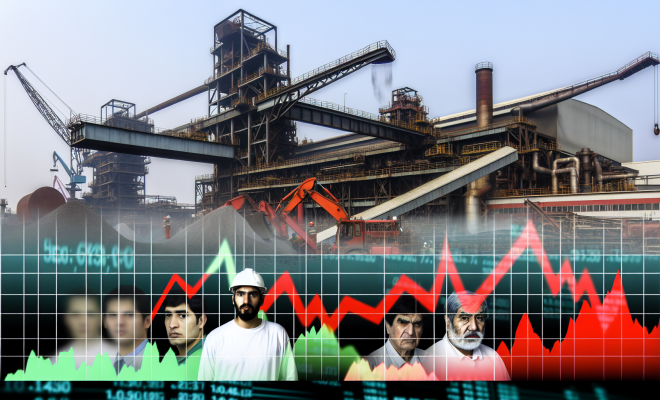
The steel industry, a cornerstone of global manufacturing, is currently navigating turbulent waters as volatility in fossil fuel prices continues to escalate. With critical inputs such as natural gas and metallurgical coal experiencing unpredictable fluctuations, steelmakers are under increasing pressure to manage costs and maintain profitability.
The Impact of Geopolitical Tensions
Geopolitical tensions, particularly stemming from conflicts like the one in Iran, have intensified the volatility in fossil fuel prices. As these tensions heighten, they create an environment of uncertainty that ripples through supply chains, affecting the availability and cost of essential materials needed for steel production.
According to industry analysts, the current energy market environment is characterized by significant fluctuations in commodity prices, which poses challenges for operational planning. Steelmakers are traditionally accustomed to some level of price variability; however, the current landscape is unlike anything seen in recent years.
Challenges in Operational Planning
For steel manufacturers, the unpredictable nature of fossil fuel pricing complicates budgeting and forecasting efforts. Steel production is heavily reliant on energy-intensive processes, and the costs associated with natural gas and coal are integral to overall production expenses. As these prices rise or fall dramatically, steelmakers find it increasingly difficult to manage their operational plans effectively.
Furthermore, the volatility impacts not just the immediate cost of materials but also the long-term contracts that many steel producers rely on. A sudden spike in fuel prices can lead to significant losses if contracts are locked at lower rates, making it imperative for companies to adopt a more flexible approach to their supply chain management.
Rising Costs and Profitability Concerns
The impact of fossil fuel price volatility is not just a theoretical concern; it has tangible effects on the bottom line. Many steelmakers are reporting rising costs that threaten their profit margins. The International Energy Agency (IEA) has noted that the steel industry, which accounted for approximately 7% of global CO2 emissions in 2021, is particularly vulnerable to fluctuations in fossil fuel prices.
- Natural Gas: The price of natural gas has seen substantial increases due to supply disruptions and increased demand, particularly in Europe.
- Metallurgical Coal: Similarly, metallurgical coal prices have surged, driven by both increasing global demand and supply chain issues.
These rising costs force steelmakers to pass on expenses to consumers, which can dampen demand for their products. In a competitive market, the ability to maintain pricing without losing market share becomes increasingly critical.
Strategies to Mitigate Risk
In response to the challenges posed by fossil fuel price volatility, steelmakers are exploring several strategies to mitigate risk:
- Diversification of Energy Sources: Some companies are investing in alternative energy sources, such as renewable energy, to reduce reliance on fossil fuels.
- Energy Efficiency Improvements: Implementing energy-efficient technologies can reduce overall consumption of fossil fuels, buffering against price fluctuations.
- Flexible Contracting: Steelmakers are adjusting their contracting strategies to include more flexible terms that can accommodate price changes.
By diversifying their energy portfolio and improving operational efficiency, steelmakers hope to create a more resilient production model that can withstand the volatility of the current energy market.
The Path Forward
The steel industry stands at a crossroads, facing the dual challenges of rising fossil fuel prices and the urgent need for sustainable practices. As the world continues to grapple with climate change and the transition to cleaner energy sources, steelmakers must navigate these complexities while ensuring profitability.
Ultimately, the ability to adapt to these changing conditions will determine the future trajectory of the steel industry. As companies strive to balance cost pressures with the shifting energy landscape, innovation and strategic planning will be essential in overcoming the challenges posed by fossil fuel price volatility.
In conclusion, while the current geopolitical climate and energy market uncertainties present significant challenges for steelmakers, they also offer opportunities for transformation. By embracing new technologies and strategies, the steel industry can not only survive but thrive in an increasingly volatile environment.