SpaceX Falcon 9 to Launch 25 Starlink Satellites from Vandenberg in 2026
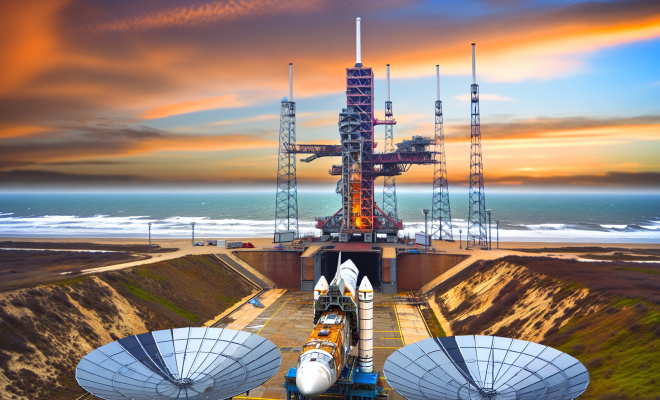
SpaceX is all set to launch its Falcon 9 rocket carrying 25 Starlink satellites from Vandenberg Space Force Base on April 14, 2026. This launch is part of the ongoing efforts to expand the Starlink constellation, which is designed to provide high-speed internet access globally. The liftoff is scheduled to take place between 7 p.m. and 11 p.m. PT, marking a significant milestone for both SpaceX and the local community.
Mission Overview
This upcoming mission will see the Falcon 9 rocket take off from Space Launch Complex 4 East at Vandenberg. Notably, this will be the 21st flight for the first stage booster, which has previously been involved in a variety of missions, including USSF-62, OneWeb Launch 20, NROL-145, and 17 other Starlink missions. This consistent use of the Falcon 9 booster underscores SpaceX’s commitment to reusability, an essential aspect of their operational philosophy.
Planned Recovery and Reusability
After the satellite deployment, the first stage of the Falcon 9 is scheduled to land on the ‘Of Course I Still Love You’ droneship stationed in the Pacific Ocean. This landing will not only demonstrate the rocket’s reusability but also contribute to SpaceX’s goal of making space access more affordable and sustainable.
Starlink’s Global Impact
The launch of these additional Starlink satellites is crucial for enhancing the existing constellation of over 6,750 satellites currently in orbit. Starlink has been designed to provide high-speed internet services to millions of users around the world, with a particular focus on underserved and remote areas. The expansion of this satellite network is expected to improve connectivity, offering reliable internet access to regions where traditional infrastructure is lacking.
Community Engagement and Concerns
As Vandenberg Space Force Base continues to ramp up its launch activities, community discussions have emerged regarding the implications of increased sonic booms resulting from rocket launches. Sonic booms occur when an aircraft or spacecraft exceeds the speed of sound, creating shock waves that can be heard on the ground. While these booms are a normal byproduct of rocket launches, their frequency and intensity have raised concerns among local residents.
- Community Meetings: Ongoing discussions are being held to address these concerns, with local officials and SpaceX representatives engaging with residents to explain the nature of the sonic booms and potential measures to mitigate their impact.
- Public Safety: Ensuring public safety during launches is a top priority, and SpaceX is committed to maintaining open lines of communication with the community to address any issues that may arise.
- Future Launches: As SpaceX plans more frequent launches, the dialogue between the company and the community will be essential to balancing operational needs with residents’ quality of life.
Looking Ahead
The Falcon 9 launch on April 14 is just one of many planned missions as SpaceX works to fulfill its ambitious goals for the Starlink project. With the increasing demand for high-speed internet and the ongoing expansion of satellite technology, this launch is expected to be a significant step forward in connecting people across the globe.
Conclusion
As SpaceX prepares for this pivotal launch, the eyes of the world will be on Vandenberg Space Force Base. The successful deployment of these 25 Starlink satellites will not only contribute to a growing network of satellites but also highlight the challenges of balancing innovative space exploration with community concerns. With a focus on reusability, public engagement, and expanding internet access, SpaceX continues to pave the way for the future of space technology.