Shocking Truth: AI Toys Are Manipulating Your Kids’ Emotions While Harvesting Their Data!
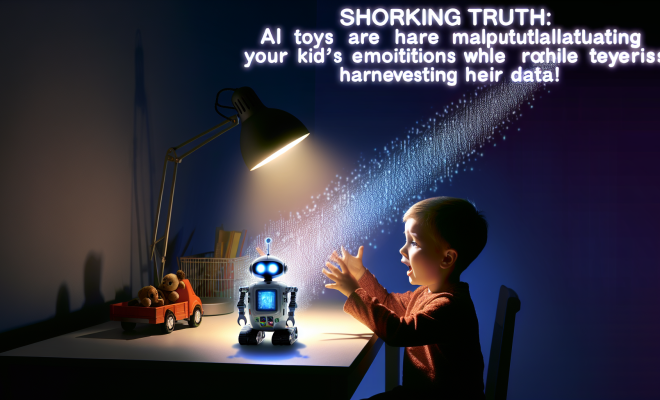
In a world where technology is rapidly evolving, parents are grappling with the implications of artificial intelligence on their children’s development and safety. A groundbreaking report released by Common Sense Media has unveiled a disturbing truth: some voice-activated, AI-powered toys are not only designed to foster emotional bonds with children but also collect their private data. This revelation raises alarming questions about the intersection of child psychology, data privacy, and the ethical use of technology.
The Rise of AI-Powered Toys
Over the past decade, the toy industry has witnessed an explosion of AI-driven products tailored for young audiences. These toys often feature voice recognition capabilities, enabling them to interact with children in a seemingly intuitive manner. They can respond to questions, engage in conversation, and even learn from interactions, creating an illusion of companionship and understanding.
However, the allure of these sophisticated toys comes with a hidden agenda: data collection. The Common Sense Media report highlights three specific AI-powered toys that exemplify this trend, revealing the intricate ways in which these products are engineered to forge emotional connections while simultaneously gathering sensitive information from their young users.
Emotional Engineering: A Double-Edged Sword
The concept of emotional engineering refers to the deliberate design of products to elicit specific emotional responses. In the case of AI toys, this can mean anything from creating a comforting voice that children can relate to, to employing storytelling techniques that captivate their imagination. While these features can enhance playtime and learning, they also raise significant ethical concerns.
According to the report, the toys in question are crafted to develop emotional attachment—a tactic that can be particularly effective with children. This bond can have profound implications: children may form deep connections with these toys, believing them to be friends or confidants. Such emotional dependencies can lead to anxiety when the toys are not present, complicating the child’s ability to distinguish between real and artificial companionship.
Data Privacy Concerns
The other side of the emotional engagement coin is the troubling reality of data privacy. The toys discussed in the report are equipped with technology that allows them to listen and learn from their environment, collecting audio data that may include sensitive personal information. This data can include everything from a child’s name and location to more nuanced insights about their preferences and habits.
With this type of data collection, concerns arise about how this information is stored, who has access to it, and how it may be used in the future. Are these companies selling data to third parties? Are they using it to create targeted advertising strategies aimed at children? The answers to these questions are crucial for parents who want to protect their children’s privacy and well-being.
Parental Anxiety: A Growing Concern
As AI toys become more prevalent, parents are expressing increasing anxiety over their children’s interactions with technology. The notion that a toy designed for entertainment could also be a tool for surveillance and emotional manipulation is understandably distressing. Many parents are left wondering how to navigate this new landscape: What are the best practices for introducing technology to their children? How can they ensure their kids are safe while still benefiting from the educational potential of these innovations?
To address these concerns, experts suggest that parents should not only monitor their children’s playtime but also educate them about technology. Understanding how AI works and what constitutes responsible data sharing can empower children to engage with technology in a healthier way.
What Experts Are Saying
The Common Sense Media report has sparked conversations among child development specialists, technology ethicists, and educators. Experts are calling for stricter regulations on the design and marketing of AI-powered toys, emphasizing the need for transparency from manufacturers regarding data collection practices.
- Dr. Jenny Lee, a child psychologist, states that “the emotional manipulation of children through technology can have lasting effects. It’s crucial that parents are aware of these dynamics.”
- Mark Thompson, a technology ethicist, adds, “We must demand accountability from companies that create these products. Protecting children should be our top priority.”
- Sarah Kim, an educator specializing in technology in the classroom, emphasizes the role of parents: “It’s essential for parents to engage with these toys alongside their children, fostering discussions about what they experience.”
The Path Forward: Balancing Innovation and Safety
The rapid advancement of technology poses a unique challenge: how do we balance innovation with the safety and emotional well-being of children? As AI toys continue to evolve, the conversation around their ethical implications must also progress. Parents, educators, and policymakers must work together to create guidelines that safeguard children while allowing them to benefit from the educational possibilities that technology offers.
One potential solution could be the development of industry standards that prioritize child safety and privacy. Policymakers could work with toy manufacturers to establish protocols for data collection and emotional design, ensuring that children’s rights are protected in the digital space.
Conclusion: A Call to Action
The findings of the Common Sense Media report serve as a wake-up call for parents, educators, and society at large. Understanding the emotional and psychological implications of AI-powered toys is crucial in today’s tech-driven landscape. As we move forward, it is imperative to advocate for transparency, accountability, and ethical practices in the design of children’s products.
Ultimately, the goal should be to create a safe environment where children can enjoy the benefits of technology without compromising their emotional health or privacy. By staying informed and engaged, parents can make informed decisions about the toys they bring into their homes, fostering a healthier relationship between their children and technology.
As this conversation continues, let us remain vigilant in our pursuit of a future where technology supports, rather than exploits, the most vulnerable among us—our children.