Online News Algorithms: Secretly Polarizing Your Views?
The digital age has ushered in a revolution in how we consume information. Yet, while the internet has made news more accessible than ever before, a recent study from the University of California, Berkeley, unveils a disturbing truth: online news algorithms are quietly steering readers towards extreme political polarization.
The Hidden Mechanism of Algorithmic Influence
In a world where every click and scroll can be meticulously tracked, the algorithms that power our news feeds often operate behind the scenes, shaping our perceptions and reinforcing our beliefs without our conscious awareness. The UC Berkeley study highlights a critical aspect of this process, emphasizing that users may not necessarily seek out polarizing content; rather, it is the algorithms that present it to them.
Understanding Algorithmic Curation
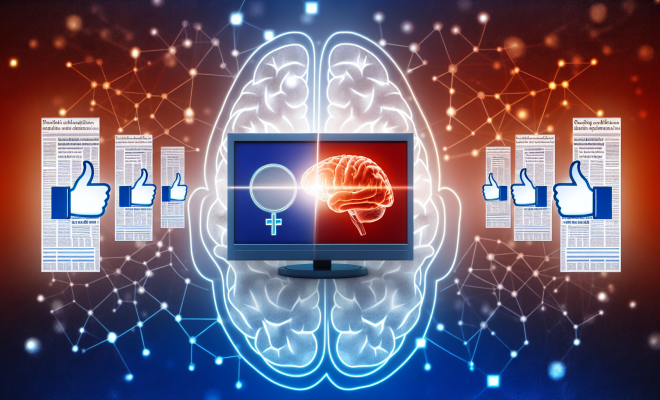
Algorithmic curation refers to the way platforms like Facebook, Google News, and Twitter present content based on user behavior. These algorithms analyze what we read, like, and share to tailor our news feeds, aiming to maximize engagement. However, the outcome of this personalization is alarming: it tends to amplify extreme viewpoints and create echo chambers.
Polarization: A Consequence of Engagement
At the heart of this phenomenon is a key insight from the study: algorithms prioritize content that garners the most engagement, which is often sensational or polarizing in nature. This leads to a feedback loop where users receive increasingly extreme content, reinforcing their existing beliefs and narrowing the diversity of perspectives they encounter.
Why Polarization Matters
Political polarization has significant implications for society. It erodes shared reality, making productive dialogue and compromise increasingly difficult. As people become entrenched in their views, trust in institutions and fellow citizens diminishes, leading to a fragmented society.
The Role of Media Consumption Habits
The Berkeley study also suggests that the way individuals consume news is a contributing factor to polarization. Many people have developed a habit of gravitating towards content that aligns with their beliefs, often without realizing the extent to which algorithms are curating their experiences. This self-reinforcing behavior can make it challenging to break away from polarized viewpoints.
Examining the Research Findings
Researchers conducted experiments that revealed how algorithmically curated news feeds can significantly influence readers’ opinions. Here are some of the key findings:
- Increased Exposure to Polarizing Content: Participants exposed to algorithmically optimized news feeds showed a marked increase in polarizing content consumption compared to those who had access to a more balanced set of articles.
- Shift in Political Views: The study demonstrated a shift in participants’ political views after prolonged exposure to these feeds, emphasizing the subtle yet powerful influence of algorithmic curation on user beliefs.
- Lack of Awareness: Perhaps the most concerning revelation was that users often lacked awareness of this influence, believing instead that they were passively consuming content rather than being actively shaped by algorithmic manipulation.
Combating Algorithmic Polarization
Addressing the issue of algorithmic polarization requires conscious efforts from both media consumers and platform developers. Here are some strategies to mitigate the effects:
- Diverse Media Consumption: Individuals should make a concerted effort to engage with a variety of news sources, including those that present differing viewpoints.
- Algorithm Transparency: Platforms must improve transparency regarding how algorithms operate and how they curate content, empowering users to make more informed decisions about their news consumption.
- Education on Media Literacy: Increasing public understanding of media literacy can equip users with the tools to critically evaluate the content they consume and recognize algorithmic biases.
The Future of News Consumption
The insights from the UC Berkeley study provoke serious questions about the future of news consumption. As algorithms continue to evolve, so too does the potential for further polarization. Understanding and addressing the mechanisms at play is essential for fostering a more informed and less divided society.
Concluding Thoughts
The revelations from this study serve as a wake-up call for both consumers and creators of news. While technology offers unprecedented access to information, it also poses risks that demand our attention. By acknowledging the role of algorithms in shaping our beliefs, we can begin to take steps toward a more balanced and informed discourse.
As we navigate these challenges, it is crucial to remain vigilant about our media consumption habits and advocate for more ethical practices in algorithmic curation. Only then can we hope to bridge the divide and restore a sense of shared reality in our increasingly polarized world.