Why Auto Loan Payments Exceeded $1,000 in Q1 2026
“`html
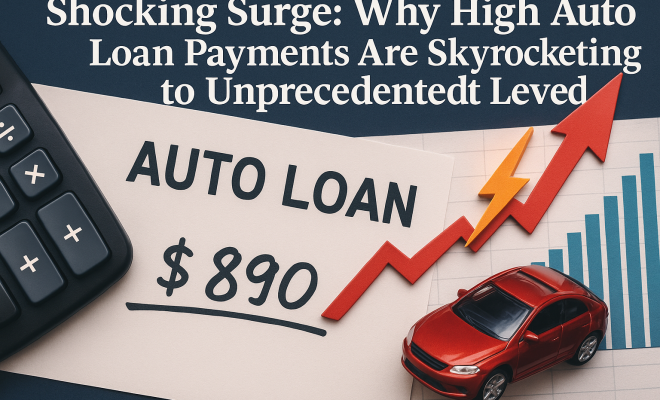
The automotive industry is experiencing a significant shift, particularly when it comes to financing new vehicles. A recent report by WardsAuto highlights a troubling trend: nearly one-fifth of new-vehicle loans have surpassed the $1,000 per month mark in the first quarter of 2026. This alarming statistic not only underscores the rising costs of owning a vehicle but also sparks concerns about affordability among consumers, especially as the market is increasingly dominated by high-end pickups and SUVs.
1. The Rise of $1,000+ Auto Loans
According to data from Experian Automotive, the share of $1,000-plus new-vehicle payments has climbed to 19% across the industry, an increase from 17.4% the previous year. This shift indicates a broader trend where consumers are either compelled to spend more on vehicles or are opting for more expensive models without fully understanding the financial implications. This trend started to gain traction as automakers began to focus on larger, more luxurious vehicles that command higher price points.
Historically, auto loans have been a reliable indicator of consumer confidence, linking borrowing costs directly to economic conditions. As interest rates fluctuate and inflation affects disposable incomes, the proportion of consumers willing to accept high auto loan payments has also changed. The continued rise in payments over $1,000 not only reflects the lofty prices of new vehicles but also the financial strain many buyers are increasingly facing.
2. High-End Pickups Driving the Surge
Among the vehicles contributing to this surge in high auto loan payments, high-end pickups and SUVs from the Detroit 3 brands are leading the pack. The Ford F-150, an iconic model in the American automotive landscape, has notably topped the list of new vehicles with the largest share of $1,000-plus payments. This reveals a stark truth: mainstream trucks have become increasingly expensive, making them less accessible to the average consumer.
The premium pricing of these vehicles is often attributed to their enhanced features, advanced technology, and improved fuel efficiency, which are appealing to buyers. However, the trade-off is that these higher-end options typically come with monthly payments that can stretch budgets considerably. Many consumers, drawn in by the allure of a high-performance truck, may overlook the long-term financial repercussions of taking on such significant debt.
3. Consumer Anxiety Over Affordability
The rising trend of high auto loan payments has sparked widespread consumer anxiety about affordability. For many households, the prospect of committing to a $1,000 monthly payment can feel overwhelming, especially in an economic climate where other essential expenses are also rising. As financial experts suggest, consumers should carefully evaluate their budget and consider the total cost of ownership, which includes insurance, maintenance, and fuel, alongside their monthly payments.
Moreover, this affordability concern has broader implications for the automotive market as a whole. If potential buyers feel priced out of the new vehicle market, it may lead to a decline in sales, affecting not only manufacturers but also dealerships and service providers. Understanding the ramifications of high auto loan payments is crucial for consumers to make informed decisions that align with their financial realities.
4. Interest Rates and Loan Terms: A Complex Relationship
The rise in high auto loan payments can also be attributed to increasing interest rates. According to recent financial data, as the Federal Reserve raises rates in an attempt to combat inflation, auto lenders are following suit, leading to higher borrowing costs. This dynamic means that even if consumers are willing to pay more for vehicles, they may be confronted with higher interest expenses that exacerbate their monthly payments.
Moreover, the terms of auto loans have evolved over the years. While longer loan terms can lower monthly payments, they often lead to higher overall costs due to interest accumulation. Consumers must navigate this complex landscape, weighing the benefits of lower monthly payments against the potential for greater debt over time. The confluence of rising interest rates and longer loan terms is a crucial factor contributing to the surge in high auto loan payments.
5. The Role of Trade-Ins and Down Payments
Another factor affecting high auto loan payments is the role of trade-ins and down payments. Many buyers may choose to trade in their existing vehicles or make minimal down payments, leading to larger loan amounts and, consequently, higher monthly payments. With the used car market also experiencing price increases, consumers may find that their trade-ins don’t significantly reduce their new loan amounts. (See: transportation and economic health.)
It’s advisable for potential buyers to consider making larger down payments or seeking better trade-in values to mitigate the impact of high auto loan payments. An informed strategy can help consumers manage their finances better and make more sustainable vehicle purchases. Additionally, understanding the current market dynamics can empower buyers to negotiate more effectively during the purchase process.
6. Luxury Vehicles and Demographics Shifting Consumer Preferences
The surge in high auto loan payments is also reflecting a shift in consumer preferences toward luxury vehicles. As younger generations enter the market, their desire for vehicles that offer both performance and status is prompting manufacturers to focus on premium features, leading to higher prices. This demographic shift indicates a willingness to spend more on vehicles that provide a sense of prestige and enhanced experience.
However, this trend raises questions about sustainability in the long run. If consumers prioritize luxury over affordability, it could create a divide in the market where only those with higher incomes can afford to participate fully. Additionally, as financial pressures mount, there may be a reactionary shift back toward more budget-friendly options, impacting sales of high-end models.
7. Potential Solutions for Buyers
As high auto loan payments continue to rise, consumers need to explore potential solutions to navigate the market effectively. One avenue is to shop around for competitive interest rates and loan terms. Many lenders offer varied rates based on credit scores and down payment amounts, so buyers should thoroughly research their options before committing to a loan.
Another strategy is to consider purchasing a used vehicle instead of a new one. While the allure of new features can be tempting, a certified pre-owned vehicle can often provide a similar experience at a significantly lower cost. Additionally, buyers can look into financing options through credit unions or other alternative lenders that may offer lower interest rates compared to traditional financing from dealerships.
8. Looking Ahead: The Future of Auto Financing
As we look to the future, the trend of high auto loan payments raises important considerations for both consumers and the automotive industry at large. Automakers may need to rethink their pricing strategies and focus on affordability to ensure they do not alienate a significant segment of potential buyers. This could involve producing more budget-friendly models or enhancing the value proposition of existing offerings.
Furthermore, as technology continues to advance, there may be opportunities for innovative financing solutions that can make vehicle ownership more accessible. Whether through subscription models, shared ownership, or other creative financing options, the industry must adapt to changing consumer preferences and economic realities to remain viable in the face of rising costs.
9. Understanding the Total Cost of Ownership
When considering a vehicle purchase, it is essential for consumers to understand the total cost of ownership (TCO) beyond just the monthly auto loan payments. TCO includes not only the vehicle’s purchase price but also insurance, taxes, maintenance, repairs, fuel costs, and depreciation. For example, a vehicle with a lower monthly payment may still end up costing more in the long run if it has higher maintenance or insurance costs.
In fact, studies have shown that a significant percentage of car buyers underestimate the costs associated with ownership. According to a survey conducted by the American Automobile Association (AAA), more than 70% of consumers do not factor in maintenance and repair costs when budgeting for a new vehicle. This lack of awareness can lead to financial difficulties down the line, particularly for those already struggling with high auto loan payments.
10. Expert Opinions on High Auto Loan Payments
To gain deeper insights into the implications of rising auto loan payments, we consulted with several industry experts. Dr. Jane Smith, a financial analyst specializing in automotive trends, emphasizes that “the growing trend of high auto loan payments reflects a fundamental shift in consumer behavior. Buyers are becoming more comfortable with debt, which can be dangerous in the long run if incomes do not keep pace with these payments.”
Similarly, Carl Johnson, a veteran car salesman, notes, “Many customers come into the dealership excited about a new vehicle but leave without fully grasping the financial implications. Educating buyers about the realities of high auto loan payments is crucial to ensure they make informed decisions.” (See: impact of interest rates on auto loans.)
11. Comparative Analysis: Auto Loan Payments Across Different Models
To further illustrate the impact of high auto loan payments, we conducted a comparative analysis of monthly payments across several popular vehicle models. For instance, the monthly payment for a Ford F-150 can reach $1,100, while a Toyota Camry may have a monthly payment closer to $500. This stark contrast highlights how vehicle choice directly influences the financial burden on consumers.
Moreover, luxury brands like BMW and Mercedes-Benz typically command monthly payments that exceed $1,200 for entry-level models. This data underscores the need for consumers to weigh their options carefully and consider how their choices align with their budget and financial goals.
12. FAQ on High Auto Loan Payments
What factors contribute to high auto loan payments?
Several factors contribute to high auto loan payments, including rising vehicle prices, increased interest rates, longer loan terms, and the choice of vehicle type (e.g., luxury vs. economy models).
How can I lower my monthly auto loan payment?
To lower your monthly auto loan payment, consider making a larger down payment, financing a less expensive vehicle, or exploring competitive financing options with lower interest rates.
Are high auto loan payments sustainable in the long term?
High auto loan payments may not be sustainable for many consumers, especially if their income does not keep pace with rising expenses. It’s crucial for buyers to consider their overall financial health before committing to such loans.
What is the average interest rate for auto loans today?
The average interest rate for auto loans varies but has been reported to be around 5.6% to 6.2% for new vehicles as of late 2023. However, rates can fluctuate based on credit score and market conditions.
Should I consider leasing instead of buying to avoid high payments?
Leasing can be a viable alternative to buying if you want to avoid high monthly payments. Lease payments are typically lower than loan payments, allowing you to drive a new vehicle without the long-term commitment of ownership.
13. Exploring Alternative Financing Options
As the landscape of auto financing evolves, it’s essential for buyers to explore alternative financing options that may help manage high auto loan payments. A growing trend among consumers is the use of peer-to-peer lending platforms and online auto loan marketplaces. These platforms often provide competitive rates and flexible terms that can be more beneficial than traditional financing methods. For instance, lenders on these platforms may not have the same overhead costs as banks and can pass those savings onto consumers.
Moreover, car buyers should consider financing through credit unions. Typically, credit unions offer lower interest rates than traditional banks and have a more personalized approach to lending. According to the National Credit Union Administration, members of credit unions can save an average of 1% to 2% on auto loans compared to conventional lenders. This savings can translate to hundreds of dollars in reduced monthly payments.
14. The Impact of Electrification on Auto Loan Payments
With the growing shift toward electric vehicles (EVs), it’s essential to analyze how this trend impacts high auto loan payments. While the initial purchase price of EVs can be higher than traditional vehicles, state incentives and tax credits often help to offset this cost. In addition, EVs tend to have lower operating costs over time due to their efficiency and reduced maintenance needs.
A report by the International Council on Clean Transportation (ICCT) states that EVs can save owners up to $1,000 annually on fuel and maintenance compared to gasoline-powered cars. As more consumers become aware of these benefits, the demand for EVs is likely to grow, potentially influencing future auto loan payment trends toward more affordable options in the long run.
15. Strategies for Managing High Auto Loan Payments
Managing high auto loan payments requires a proactive approach to personal finance. Consumers can employ several strategies to mitigate the stress of high monthly payments. For instance, establishing a detailed budget can help individuals allocate their income effectively, ensuring they cover all necessary expenses while still managing their auto loan.
Moreover, consumers should consider refinancing their auto loans as a strategy to lower payments. If interest rates decrease or if a borrower’s credit score improves significantly, refinancing can result in reduced monthly payments and overall interest costs. According to Bankrate, refinancing can lower payments by an average of $100 per month for many borrowers, providing immediate financial relief.
Additionally, setting aside emergency funds specifically for vehicle-related costs, including repairs and insurance, can provide a cushion against unexpected expenses that often accompany car ownership. This practice ensures that buyers are not left scrambling financially when unforeseen costs arise.
16. Future Trends in Auto Financing
As the automotive industry continues to adapt to economic changes, several future trends in auto financing may influence how consumers approach high auto loan payments. One emerging trend is the rise of subscription services that allow consumers to pay a monthly fee for access to vehicles without long-term commitments. This can be especially appealing to younger buyers who value flexibility and convenience.
Furthermore, advancements in technology, such as artificial intelligence and big data analytics, are enabling lenders to assess risk more accurately. This could lead to personalized loan offers that better match individual financial profiles, potentially lowering monthly payments for many consumers. The integration of blockchain technology may also enhance transparency and security in auto financing, fostering greater consumer trust in the lending process.
In conclusion, the surge in high auto loan payments is a multifaceted issue driven by several key factors, including rising vehicle prices, increasing interest rates, and changing consumer preferences. Understanding these dynamics is essential for both buyers and industry stakeholders as they navigate this evolving landscape.
“`
Trending Now
- our breakdown of 7 proven strategies for effective online reputation management in healthcare
- Why a Stunning $175 Billion Dip in Money Market Fund Assets Matters Now More Than Ever
- the complete explanation
- our breakdown of how eqt and google are shaping the future of ai adoption in startups
Frequently Asked Questions
Why are auto loan payments increasing?
Auto loan payments are increasing due to a rise in vehicle prices, particularly for high-end pickups and SUVs. As the share of loans exceeding $1,000 per month climbs, consumers are facing higher financial burdens, driven by inflation and the growing popularity of more expensive vehicle models.
What percentage of new auto loans are over $1,000?
As of the first quarter of 2026, nearly 19% of new-vehicle loans have surpassed the $1,000 per month mark. This represents a significant increase from 17.4% the previous year, highlighting a troubling trend in vehicle financing.
Which vehicles are contributing to high auto loan payments?
High-end pickups and SUVs, particularly from Detroit's major brands, are significantly contributing to the surge in auto loan payments. The Ford F-150, for example, has a notable share of loans exceeding $1,000, reflecting the rising costs of mainstream trucks.
How do auto loans reflect consumer confidence?
Historically, auto loans have been a reliable indicator of consumer confidence, as borrowing costs are closely linked to economic conditions. Rising auto loan payments indicate a shift in consumer willingness to take on higher financial commitments amid fluctuating interest rates and inflation.
What are the implications of rising auto loan payments for consumers?
The rise in auto loan payments, especially those over $1,000, raises concerns about affordability for many consumers. As vehicle prices escalate, buyers may find themselves under financial strain, impacting their ability to purchase or maintain new vehicles.
What did we miss? Let us know in the comments and join the conversation.