Disaster Funding Delays: Communities Struggle to Rebuild in 2023
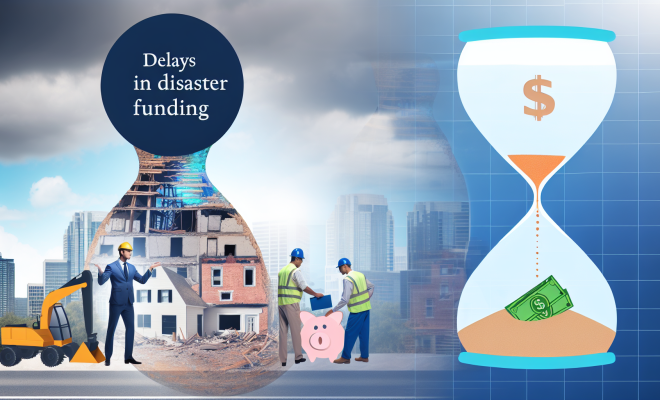
The aftermath of natural disasters often leaves communities in dire need of assistance, yet many are finding themselves entangled in bureaucratic delays that hinder recovery efforts. Under the Trump administration, states across the nation have reported significant slowdowns in Federal Emergency Management Agency (FEMA) disaster funding, which has resulted in postponed recovery projects that are critical for rebuilding and enhancing resilience against future disasters.
Impact of Funding Delays on Local Communities
In California, for instance, the situation in El Dorado County highlights the pressing challenges faced by residents. The county is currently awaiting $25 million in funding for the Weber Creek Project, a crucial initiative that was approved by FEMA in 2023. This project is designed to mitigate the risk of wildfires and flooding, both of which have become increasingly prevalent due to climate change and mismanaged land.
Residents like Montgomery, who received a home inspection report urging fire-resistant upgrades, are particularly affected by the delays. The inspection recommended measures such as the removal of wooden decks to reduce fire hazards. Homeowners can access a program that offers up to $40,000 for these critical improvements, but the bottleneck in funding means that many are left in limbo, unable to proceed with necessary renovations that could protect their homes.
The Broader Picture: State-Level Reports
As El Dorado County grapples with its funding challenges, it is not alone. States across the country have echoed similar concerns regarding the pace of FEMA disaster funding. Reports indicate that the delays are not merely administrative hiccups but are systemic issues that reflect the broader inefficiencies within FEMA’s funding processes. Communities that have suffered from devastating wildfires, hurricanes, and floods are now facing extended periods of uncertainty as they await the resources needed to rebuild.
- California: Over $200 million in FEMA funding is pending for various wildfire recovery projects.
- Texas: Hurricane Harvey survivors are still awaiting federal aid, with significant portions of funding stuck in the approval process.
- Florida: Communities affected by recent hurricanes have reported similar frustrations, seeking timely financial support for rebuilding efforts.
The Importance of Timely Disaster Funding
The importance of timely disaster funding cannot be overstated. Delays in financial support can exacerbate the already challenging recovery process, leaving communities vulnerable to further disasters. When funding is delayed, not only are recovery projects postponed, but the overall morale of affected communities can suffer as well. Residents may feel abandoned by the federal government, leading to increased frustration and anxiety.
Furthermore, the longer it takes to receive funding, the greater the chances that infrastructure will deteriorate, and more lives will be put at risk. Delayed funding can also hinder local governments’ ability to implement fire mitigation strategies, which are essential for protecting communities from future disasters.
Advocacy for Change
In light of these challenges, advocacy groups and local leaders are calling for changes to streamline the disaster funding process. They argue that the current system is outdated and in desperate need of reform. By improving coordination between state and federal agencies, they believe that communities can receive the support they need more efficiently.
- Increased Transparency: Many advocates are pushing for clearer communication from FEMA regarding the status of funding requests.
- Reform of Approval Processes: Streamlining the approval process for disaster funding can help reduce delays.
- Enhanced Local Support: Providing more resources to local governments could empower them to implement recovery projects without waiting for federal aid.
Conclusion: The Path Forward
As communities across the nation await critical disaster funding, the need for timely and efficient financial support has never been more apparent. The situation in El Dorado County serves as a poignant reminder of the challenges that communities face in the wake of disaster. As they wait for the necessary resources to rebuild, advocates are working tirelessly to push for reforms that could expedite the funding process.
The stories of individuals like Montgomery reflect the broader struggles of countless families affected by disasters. Their resilience is commendable, but it is clear that without timely federal support, the path to recovery will remain fraught with obstacles. Moving forward, it is essential that both state and federal governments prioritize the efficient delivery of disaster funding to ensure that communities can rebuild and thrive in the face of future challenges.