Scott Dixon’s Data Blackout Strategy Leads to Strong Qualifying Performance at Long Beach
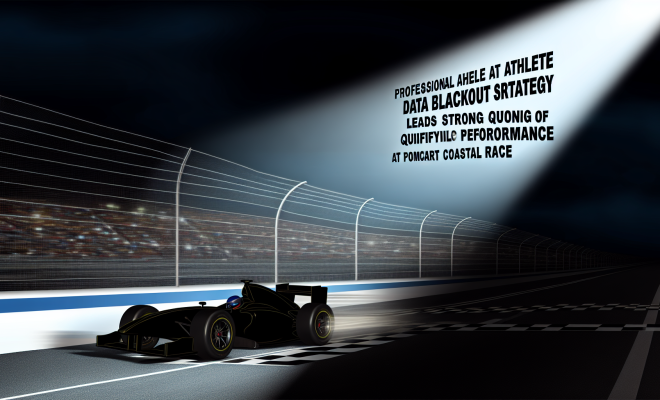
In the world of motorsport, strategy can often make the difference between victory and defeat. For veteran driver Scott Dixon, the latest race at the Acura Grand Prix of Long Beach on April 19, 2026, proved that sometimes, less is more. A data blackout strategy allowed Dixon to achieve his best qualifying result of the season, securing a sixth-place start in the No. 9 PNC Bank Chip Ganassi Racing Honda.
Understanding the Data Blackout Strategy
The concept of a data blackout might seem counterintuitive in a sport heavily reliant on technology and data analysis. However, for Dixon and his team, it provided a unique opportunity to recalibrate and find the pace that had been elusive in earlier races. By limiting the data available to the driver during qualifying, the team encouraged Dixon to rely on his instincts and experience on the track.
This approach allowed him to focus on the fundamentals of driving rather than getting bogged down in the minutiae of telemetry. Dixon’s seasoned perspective on racing was crucial in making the most of this stripped-back approach.
A Glimpse at the Competition
Dixon’s strong qualifying position puts him in a favorable spot to compete against some of the best in the field. His teammate Alex Palou, driving the No. 10 OpenAI Chip Ganassi Racing Honda, qualified third, showcasing the strength of Chip Ganassi Racing as a team. Meanwhile, Kyffin Simpson in the No. 8 Sunoco Honda secured a ninth-place start, indicating a solid performance from the team overall.
Weather Conditions Favor Performance
The race took place on a sun-splashed afternoon in Southern California, conditions that traditionally favor faster lap times and enhanced grip on the asphalt. The warm weather often leads to improved tire performance and allows drivers to push their machines to the limits.
Dixon’s qualifying performance was not just a reflection of his skill and experience, but also of the favorable conditions that Southern California offered on that day. As he prepared for the race, it was clear that the combination of a sound strategy and excellent weather would be critical in determining the outcome.
Scott Dixon: A Legacy of Success
Scott Dixon is no stranger to success in the IndyCar series. With a career spanning over two decades, he has amassed numerous accolades, including six IndyCar Championships and victories in the prestigious Indianapolis 500. His ability to adapt and innovate has kept him competitive in a field that constantly evolves with technology and tactics.
His recent performance at Long Beach is a testament to his enduring talent and ability to leverage new strategies to find success. Dixon’s experience has taught him that while data is essential, the human element of racing—intuition, skill, and experience—can sometimes take precedence.
Team Dynamics and Strategy
Chip Ganassi Racing has long been a dominant force in the IndyCar Series. The team’s ability to develop and implement effective strategies has been a key component of their success. With Dixon, Palou, and Simpson all showcasing strong performances during qualifying, the team’s collaborative approach is evident.
- Scott Dixon: Sixth-place start, No. 9 PNC Bank Chip Ganassi Racing Honda.
- Alex Palou: Third-place start, No. 10 OpenAI Chip Ganassi Racing Honda.
- Kyffin Simpson: Ninth-place start, No. 8 Sunoco Honda.
Dixon’s strategy to utilize a data blackout during qualifying not only reflects his confidence in his driving ability but also highlights the communication and teamwork inherent in the Chip Ganassi Racing organization.
The Road Ahead: Preparing for the Race
As the drivers prepared for the race following the qualifying sessions, the focus shifted from individual performance to team strategy. The race at Long Beach is known for its challenging street circuit, which tests the skills of even the most seasoned drivers. With tight corners and limited overtaking opportunities, positioning during the race would be critical.
Dixon’s sixth-place start puts him in a position to capitalize on any mistakes made by those in front of him. The team would need to strategize regarding tire management, fuel efficiency, and potential pit stop timing to maximize their chances of success on race day.
The Importance of Adaptability in Racing
In racing, adaptability is key. The ability to pivot strategies based on real-time conditions can often determine the outcome of a race. Dixon’s willingness to embrace a data blackout demonstrates his understanding of this principle. The decision to limit data during qualifying was a calculated risk that paid off, highlighting the need for drivers to be versatile and responsive in a constantly changing environment.
Conclusion: A Promising Outlook
As Scott Dixon and the Chip Ganassi Racing team look ahead to the race at the Acura Grand Prix of Long Beach, the combination of a solid qualifying position, favorable weather conditions, and a successful strategy could very well lead to a memorable performance. Dixon’s journey through the season has shown that even the most experienced drivers are constantly learning and adapting, making the world of IndyCar racing as thrilling as ever.
With his sixth-place start, Dixon is not only poised for a strong finish but also sets the stage for further successes in the season ahead. Fans can anticipate an exciting race, as the veteran driver aims to leverage both his experience and the power of teamwork to navigate the challenges of the Long Beach circuit.