Future of Automobiles: Key Trends Reshaping Mobility by 2026
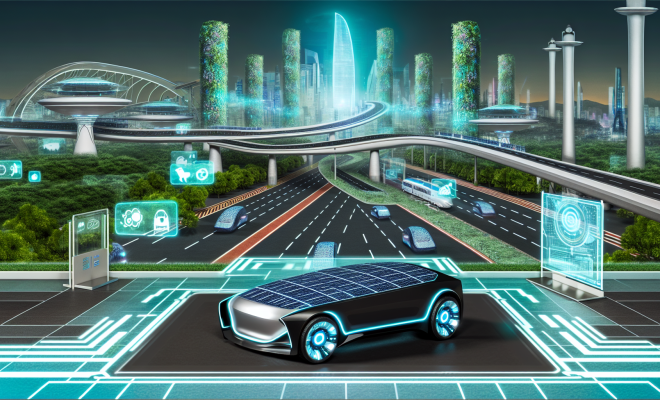
The automotive industry is on the brink of a significant transformation, driven by groundbreaking innovations that are set to redefine how we perceive mobility. As detailed in a recent update published on April 6, 2026, various trends are emerging that not only enhance vehicle performance but also improve efficiency and user experience. This article delves into some of the most important developments that are shaping the future of vehicles, which many are still overlooking.
Advancements in Electric Vehicle Technology
One of the most significant trends in the automotive sector is the rapid advancement of electric vehicle (EV) technology. With a growing focus on sustainability, automakers are investing heavily in enhancing battery performance and charging infrastructure. Current models are seeing improved range capabilities, with some new EVs boasting over 400 miles on a single charge.
- Battery Innovations: Lithium-ion batteries are evolving with the introduction of solid-state batteries, which promise to deliver greater energy density, faster charging times, and enhanced safety.
- Charging Networks: The expansion of fast-charging stations is crucial for the widespread adoption of EVs, making long-distance travel more feasible for electric car owners.
Integration of Autonomous Driving Technologies
Autonomous driving remains a hot topic in automotive discussions. With advancements in artificial intelligence and machine learning, vehicles are becoming increasingly capable of navigating without human intervention. Major automakers are testing fully autonomous systems, aimed at reducing accidents and improving traffic efficiency.
- Level 4 and Level 5 Automation: These levels of autonomy signify that vehicles can operate independently in most conditions, requiring minimal input from drivers.
- Safety Improvements: With the integration of advanced sensors and cameras, these systems can detect obstacles, respond to traffic signals, and make real-time decisions.
Enhanced Connectivity Features
Connectivity is an increasingly important aspect of modern vehicles. The integration of the Internet of Things (IoT) is allowing cars to communicate with each other and with infrastructure systems, leading to smarter road networks.
- Vehicle-to-Everything (V2X) Communication: This technology enables vehicles to exchange information with traffic lights, other vehicles, and even pedestrians, enhancing road safety and traffic management.
- Infotainment Systems: Advanced infotainment systems are becoming more intuitive, with features such as voice recognition and artificial intelligence to provide personalized user experiences.
Focus on Sustainability and Eco-Friendly Practices
With consumers becoming more environmentally conscious, automakers are prioritizing sustainability in their designs and manufacturing processes. This shift is evident in several key areas:
- Material Innovations: The use of recycled materials and sustainable resources in vehicle production is on the rise, contributing to a reduced carbon footprint.
- Carbon Neutral Goals: Many manufacturers are setting ambitious targets to achieve carbon neutrality in their production processes by 2030.
Redefining User Experience with Personalized Features
As the automotive landscape evolves, so does the emphasis on user experience. Automakers are focusing on personalization, ensuring that vehicles cater to individual preferences and lifestyles.
- Customizable Interiors: Innovations in interior design allow for adjustable seating configurations, ambient lighting, and even scent options to create a personalized driving environment.
- Smart Assistants: Integration of AI-driven assistants can help drivers manage tasks, schedule maintenance, and provide navigation assistance, making every journey more enjoyable.
The Rise of Shared Mobility Solutions
As urbanization continues to increase, shared mobility solutions are becoming more prevalent. Ride-sharing and car-sharing platforms are changing the way people view vehicle ownership, particularly among younger generations.
- Cost-Effective Alternatives: Shared mobility offers a more economical option for users, reducing the financial burden associated with owning a vehicle.
- Reduced Traffic Congestion: By sharing rides, cities can alleviate traffic congestion and reduce emissions, contributing to cleaner urban environments.
Conclusion
As we look to the future of the automotive industry, it is clear that these game-changing trends are set to profoundly impact how we drive and interact with vehicles. With continuous advancements in technology, sustainability, and user experience, the vehicles of tomorrow promise to be more efficient, safer, and tailored to our individual needs. Keeping an eye on these developments is essential for consumers and industry stakeholders alike as we navigate this new era of mobility.