Minnesota’s HF 3865: A Looming Threat to Classic Car Culture
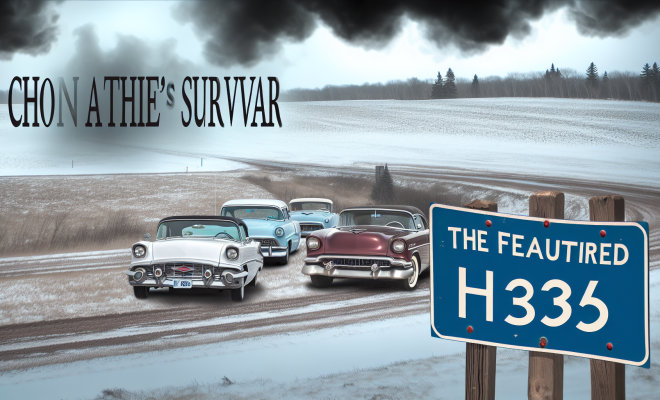
The classic car community in Minnesota is bracing for significant changes as the state legislature advances House File 3865, a bill that could impose stringent restrictions on the usage of collector vehicles. Initially framed as a clarification of existing collector car regulations, the proposal has sparked considerable concern among enthusiasts who fear it might pave the way for an effective ban on classic cars on public roads.
Understanding HF 3865
Introduced in the Minnesota House, HF 3865 aims to redefine the rules governing how classic cars can be used. For years, Minnesota’s laws permitted limited use of collector vehicles, allowing owners to enjoy their prized possessions on weekends or during special events. However, the new bill seeks to redraw these boundaries, potentially limiting driving days and locations to narrow “acceptable” limits.
The Impact of Restrictive Regulations
Should HF 3865 pass into law, classic car owners may find themselves facing a host of significant changes that could drastically alter their experience. The most pressing concern is the potential prohibition of driving classic cars on public roads outside of designated parameters. This would not only diminish the enjoyment of these vehicles but also threaten the very essence of car culture that has flourished in the state.
Historical Context and Community Response
Historically, Minnesota has celebrated its car culture, with classic car shows, cruise nights, and community events that draw enthusiasts from all over. The current restrictions were tailored to maintain a balance between preserving these vehicles and ensuring public safety. However, HF 3865’s proposed changes are viewed by many as an overreach.
- Increased Limitations: The bill could introduce precise limitations on when and where classic cars can be driven, effectively reducing their usability.
- Potential for Licensing Changes: There may also be changes to how classic cars are registered or licensed, complicating ownership.
- Impact on Car Shows and Events: With restrictions on usage, events that celebrate car culture could see reduced participation, impacting local economies.
In response, various automotive clubs and collectors have voiced their opposition, launching campaigns to raise awareness about the implications of HF 3865. Many fear that the bill could set a precedent for further restrictions on collector vehicles in the future.
The Broader Implications of HF 3865
The ramifications of HF 3865 extend beyond just classic car owners; they touch on the broader rights of vehicle enthusiasts across Minnesota. If passed, it could lead to a domino effect in other states, prompting similar legislative actions that challenge car culture nationwide. The bill has ignited discussions about the importance of preserving automotive heritage and the role of government in regulating personal freedoms.
Advocacy and Legislative Proceedings
As HF 3865 continues to progress through the legislative process, advocacy efforts are ramping up. Enthusiasts are encouraged to contact their local representatives to express their concerns about the bill. Engaging in community forums and attending legislative hearings are ways for car lovers to make their voices heard.
Moreover, organizations dedicated to preserving automotive history are mobilizing to counteract the proposed restrictions. They aim to educate legislators on the cultural significance of classic cars and the economic benefits of car-related activities, which often bring communities together.
Conclusion: The Future of Classic Cars in Minnesota
The outcome of HF 3865 remains uncertain, but it serves as a critical reminder of the fragility of automotive freedoms. The classic car community’s fight against restrictive legislation is about more than just vehicles; it is a battle for the preservation of a cherished hobby that embodies nostalgia, craftsmanship, and the spirit of American ingenuity.
As Minnesota navigates this legislative challenge, the eyes of classic car enthusiasts across the nation will be watching closely. The potential implications of HF 3865 could resonate far beyond state lines, affecting how car culture is perceived and regulated in the years to come.