Automotive Industry’s 2026 Transformation: EVs & SDVs Lead the Way
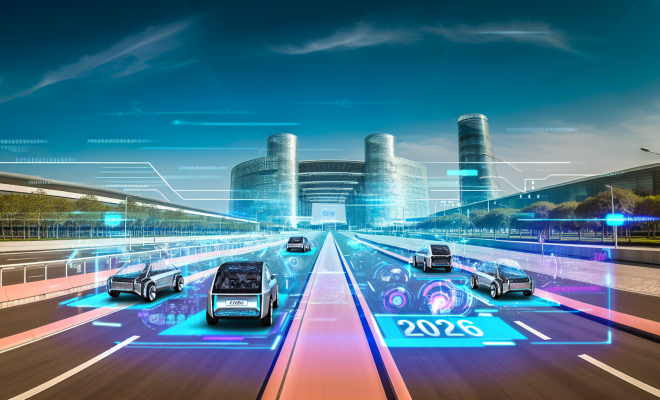
The automotive industry is undergoing a remarkable transformation in 2026, marked by significant advancements in technology and strategic partnerships. As electric vehicles (EVs) and software-defined vehicles gain traction, crucial developments in battery thermal management, collaboration between major players, and innovations in supply chain logistics are shaping the future of mobility.
Advancements in Battery Thermal Management for BEVs
As the demand for battery electric vehicles (BEVs) continues to surge, effective battery thermal management is becoming increasingly critical. In recent updates, manufacturers are focusing on innovative thermal management solutions to enhance battery efficiency, safety, and longevity.
One approach being explored involves advanced cooling systems that maintain optimal battery temperatures during charging and discharging cycles. These systems not only prevent overheating but also improve overall performance by ensuring that the battery operates within its ideal temperature range. By leveraging materials with high thermal conductivity and integrating smart sensors, manufacturers can monitor and manage battery temperatures in real-time.
Software-Defined Vehicles: The Future of Automotive Experience
The concept of software-defined vehicles (SDVs) is revolutionizing how automotive manufacturers approach vehicle design and functionality. SDVs allow for greater flexibility and personalization, enabling features and services to be updated remotely through over-the-air (OTA) software updates.
Recent reports highlight that major automotive players are investing heavily in developing SDV platforms that cater to evolving consumer preferences. These platforms will facilitate the integration of advanced driver-assistance systems (ADAS), infotainment systems, and connectivity features, which can be upgraded as new technologies emerge.
With the rise of SDVs, automakers are also establishing new business models centered around software services, transforming traditional sales approaches into recurring revenue streams through subscriptions and service-based offerings.
Subaru and Infineon: A Strategic Collaboration
In a notable partnership, Subaru and Infineon Technologies have joined forces to enhance their automotive microcontroller (MCU) technology. This collaboration aims to improve the efficiency and performance of Subaru’s vehicle systems, particularly in the realm of electric and autonomous vehicles.
During an on-site coverage event, both companies showcased their efforts to develop next-generation MCUs that will facilitate advanced functionalities in Subaru vehicles. The integration of Infineon’s semiconductor expertise with Subaru’s automotive engineering is expected to yield significant advancements in vehicle safety, efficiency, and overall performance.
This partnership is indicative of a broader trend where automotive manufacturers are collaborating with tech companies to integrate cutting-edge technologies into their vehicles, ensuring they remain competitive in an increasingly digital landscape.
Supply Chain Innovations: E-Axle Production
As electric vehicles gain momentum, the production of e-axles has become a focal point in the automotive supply chain. E-axles, which combine the electric motor, transmission, and power electronics into a single unit, are essential for improving vehicle efficiency and performance.
Recent updates indicate that several manufacturers are ramping up their production capabilities for e-axles to meet the growing demand for electric vehicles. This shift not only streamlines the manufacturing process but also reduces the overall weight of the vehicle, contributing to improved energy efficiency.
- Cost Reduction: By integrating multiple components into a single unit, manufacturers can reduce production costs and streamline assembly processes.
- Performance Enhancement: E-axles provide better torque delivery and responsiveness, enhancing the driving experience.
- Space Optimization: The compact design of e-axles allows for more flexible vehicle layouts, accommodating various designs and configurations.
Emerging Technologies Shaping the Automotive Landscape
The automotive industry is witnessing rapid technological advancements that promise to redefine mobility. Key areas of focus include:
- Autonomous Driving: Continued development of ADAS and fully autonomous systems, enhancing vehicle safety and reducing driver workload.
- Connectivity: Increased integration of vehicle-to-everything (V2X) communication, enabling vehicles to interact seamlessly with infrastructure, other vehicles, and the cloud.
- Sustainability: A growing emphasis on sustainable materials and production processes to reduce the environmental impact of vehicle manufacturing.
The automotive sector is at a pivotal moment, with technological advancements and strategic collaborations paving the way for a more connected, efficient, and sustainable future. As companies like Subaru and Infineon lead the charge in innovation, the industry is poised for an exciting evolution that will redefine how we interact with vehicles.