FIU & Baptist Health Pioneer AI Stethoscope for Early Heart Disease Detection
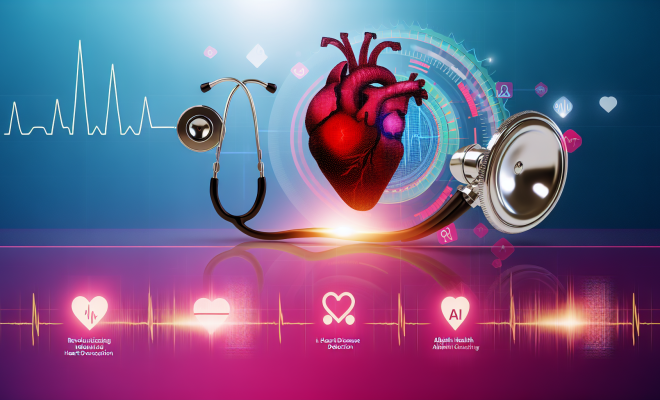
In a groundbreaking initiative, researchers from Florida International University (FIU) and Baptist Health are collaborating to develop an advanced digital stethoscope that leverages artificial intelligence (AI) and sophisticated sound analysis techniques. Their goal is to revolutionize the early detection of heart disease, aiming to identify subtle signs of cardiovascular issues before symptoms manifest.
The Need for Early Detection
Heart disease remains a leading cause of death globally. According to the World Health Organization, it accounts for approximately 32% of all deaths each year. Early detection is crucial; it can significantly improve outcomes and even save lives. Dr. Tom Nguyen, the chief medical executive of Baptist Health Heart & Vascular Care, emphasizes that identifying heart disease in its initial stages can lead to more effective treatment options and better management of the condition.
How the Digital Stethoscope Works
The innovative digital stethoscope being developed is designed to analyze heart sounds more comprehensively than traditional methods. By integrating AI, the device can process and interpret complex sound patterns associated with heart function. This technology aims to make cardiovascular screenings as routine and accessible as blood pressure checks.
- Advanced Sound Analysis: The stethoscope employs sophisticated algorithms to detect irregularities in heart sounds.
- AI Integration: Machine learning algorithms will enhance the accuracy of the diagnosis by learning from vast datasets of heart sounds.
- Early Warning System: By identifying subtle signs of heart disease, the device could alert healthcare providers to potential issues before they escalate.
The Collaboration Between FIU and Baptist Health
This project represents a significant partnership between academia and healthcare. Researchers at FIU are harnessing their expertise in engineering and AI to develop the technological framework for the stethoscope, while Baptist Health provides clinical insights and access to patient data necessary for refining the device.
Dr. Nguyen notes, “The collaboration allows us to combine cutting-edge research with practical healthcare applications, ensuring that the technology developed is not only innovative but also clinically viable.” This synergy is essential for creating a tool that can effectively meet the needs of healthcare providers and patients alike.
Potential Impact on Cardiovascular Screening
If successful, the digital stethoscope could transform the landscape of cardiovascular screening. The traditional approach to heart disease detection often relies on a patient’s symptoms or risk factors, which can lead to delays in diagnosis. Early-stage heart disease may go unnoticed, potentially resulting in severe complications.
By making heart disease screening more proactive rather than reactive, this technology could:
- Increase Accessibility: Routine screenings could be performed in various settings, including primary care offices and community health fairs.
- Reduce Healthcare Costs: Early detection can lead to lower treatment costs by preventing advanced stages of heart disease.
- Empower Patients: Individuals could gain insights into their cardiovascular health, allowing them to take preventive measures.
Challenges and Future Directions
Despite the promising potential of the digital stethoscope, several challenges remain. The integration of AI in healthcare necessitates rigorous testing and validation to ensure its reliability and accuracy. There is also the need for healthcare professionals to be trained in utilizing this new technology effectively.
Moreover, ethical considerations surrounding patient data privacy and the implications of AI decision-making in healthcare must be addressed. Continuous collaboration between researchers, clinicians, and policymakers will be essential to navigate these challenges.
Conclusion
The joint effort between FIU and Baptist Health marks a significant step towards enhancing early detection of heart disease through innovative technology. By utilizing AI and advanced sound analysis, they aim to create a tool that could change how cardiovascular health is monitored and managed.
As Dr. Nguyen aptly puts it, “The future of heart disease detection is not just about treating symptoms but about preventing them from occurring in the first place.” This initiative could pave the way for a new era in cardiovascular care, where early detection becomes the standard practice, ultimately saving countless lives.