Rethinking Campus Health: Elevating Well-Being Beyond Illness Prevention
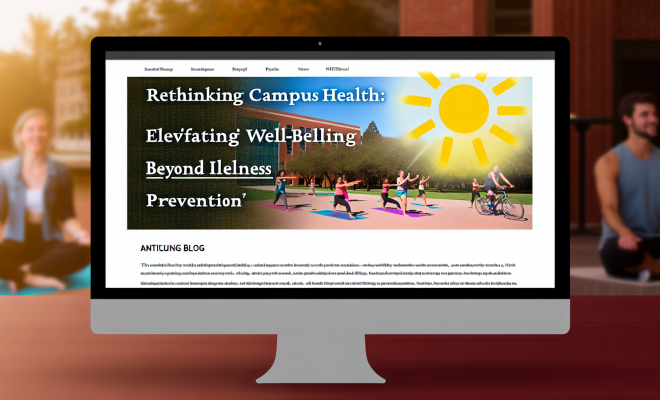
In recent years, the conversation surrounding health—especially on college campuses—has evolved significantly. While traditional public health discussions often center around illness prevention and treatment, there’s a growing recognition that true health encompasses much more than simply avoiding disease. Public health columnist Kegan Tulloch argues that it’s time for universities to expand their focus to include well-being and flourishing, which are crucial for student success and overall happiness.
The Importance of Well-Being
Well-being is not a one-size-fits-all concept; it is deeply interconnected with systemic factors such as socioeconomic status, access to healthcare, and community support. For students, particularly those from marginalized communities, these factors can create significant barriers to achieving well-being. Tulloch highlights that students facing financial strain or limited access to healthcare often wrestle with heightened levels of stress, anxiety, and burnout. These challenges are compounded by the pressures of academic performance and the societal expectations placed upon them.
Beyond Individual Resilience
While individual strategies such as maintaining good sleep hygiene, engaging in physical activity, and cultivating meaningful relationships are essential components of personal well-being, Tulloch emphasizes that they are not enough on their own. Focusing solely on personal resilience can inadvertently obscure the underlying systemic issues that contribute to poor mental health among students.
For instance, many college counseling centers are understaffed, struggling to meet the increasing demand for mental health services. This scarcity of resources can lead to long wait times for appointments and limited access to essential support, leaving many students feeling isolated and helpless. Furthermore, the normalization of a burnout culture—where overworking and stress are seen as badges of honor—only exacerbates these mental health challenges.
Shifting the Narrative
Tulloch advocates for a reframing of the conversation around health to prioritize well-being. This shift is not just about encouraging self-care practices but also about fostering a structural awareness that recognizes the broader context in which students live and learn. It calls for collective action rather than individualistic approaches to well-being.
To truly promote well-being on campuses, universities must adopt policies and practices that support all students, particularly those from marginalized backgrounds. This means not only improving access to mental health services but also addressing issues such as food insecurity, housing stability, and financial assistance. By doing so, institutions can create environments where students feel supported and empowered to thrive.
Collective Action for Change
Implementing systemic changes requires a concerted effort from various stakeholders within the university ecosystem. Administrators, faculty, and students must collaborate to advocate for policies that promote equitable access to resources and support systems. Here are some actionable steps that universities can take:
- Increase Funding for Mental Health Services: Allocate more resources to counseling centers to hire additional staff and reduce wait times for students seeking help.
- Promote Awareness and Education: Develop programs that educate students about mental health and well-being, highlighting the importance of seeking help and the resources available to them.
- Foster Inclusivity: Ensure that mental health services are culturally competent and sensitive to the diverse backgrounds of students.
- Encourage Work-Life Balance: Implement policies that discourage overworking, such as limiting after-hours emails or promoting designated downtime.
The Role of Community
Well-being is not just an individual pursuit; it is a collective responsibility. Creating a supportive community can significantly enhance the well-being of students. Encouraging peer support networks, mentorship programs, and community-building activities can help foster connections that alleviate feelings of isolation and anxiety.
Moreover, students themselves can play a pivotal role in advocating for change on their campuses. By organizing initiatives that address mental health awareness, self-care workshops, and community support groups, they can help shift the narrative from survival to flourishing. Empowering students to take an active role in their well-being can lead to a more vibrant and resilient campus culture.
Conclusion
Rethinking health and well-being on campuses is essential for nurturing a thriving student body. By shifting the focus from mere illness prevention to fostering true well-being, universities can create environments where all students, particularly those from marginalized communities, have the opportunity to flourish. As Tulloch poignantly reminds us, prioritizing well-being requires both individual strategies and collective action aimed at dismantling systemic barriers. Only then can we ensure that all students have the support and resources they need to thrive academically, socially, and emotionally.