Record-Breaking Heat Wave Strikes Eastern U.S. in Mid-April
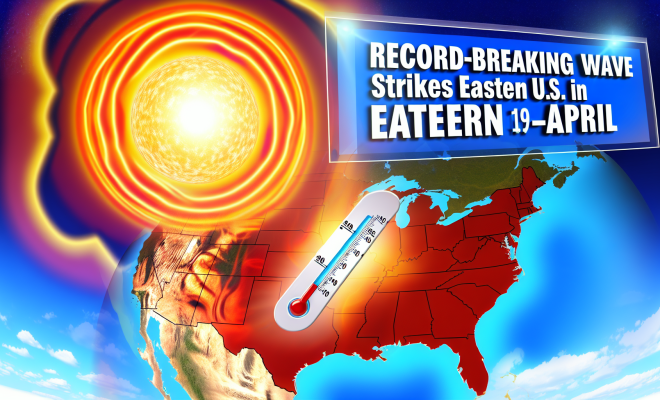
The eastern United States is experiencing an unprecedented heat wave this April, with temperatures soaring to levels typically reserved for the sweltering summer months. Major cities are on track to break historical temperature records, raising concerns about the implications of such extreme weather patterns.
Unusual April Heat Wave
Forecasters are predicting record-breaking highs for April 15, 2026, with cities like New York City expected to reach a scorching 86°F, just shy of the record of 87°F set in 1941. Philadelphia is forecasted to hit 92°F, while Washington D.C. could see temperatures climb to 94°F. Atlanta is not far behind, with projections of 88°F.
Duration Over Peaks
Unlike typical heat waves, which may peak at extreme temperatures but don’t last long, this phenomenon is notable for its duration. Meteorologist Feerick from the National Weather Service indicates that while temperatures nearing 90°F are concerning, the lower humidity levels in the air will prevent the oppressive, muggy conditions often associated with summer heat. This lack of humidity means that while the temperatures are high, the heat may feel less intense than it would during the middle of summer.
Impact of Recent Weather Patterns
This sudden rise in temperatures follows a period of severe storms that swept through states like Kansas, Minnesota, and Wisconsin, highlighting the volatile nature of spring weather. The transition from severe storms to extreme heat is not uncommon in the region but serves as a reminder of the unpredictability of climate patterns.
What’s Driving the Heat?
The current weather pattern can be attributed to a persistent ridge of high pressure that has settled over the eastern U.S. This high-pressure system effectively traps warm air, preventing cooler air from moving in. As a result, the region is experiencing prolonged periods of high temperatures, a situation that is becoming increasingly common as climate change continues to influence weather systems.
Looking Ahead: A Cool Down is Coming
However, relief may be on the horizon. Forecasters expect a cold front to sweep through the region, bringing cooler temperatures by Sunday or Monday. This shift will likely provide a welcome respite from the heat, but it also underscores the volatility of weather conditions during this transitional time of year.
Climate Change and Extreme Weather
The intensity and frequency of such weather events are often linked to climate change. As global temperatures rise, the atmosphere holds more moisture, which can lead to more severe storms. Conversely, warmer temperatures can lead to extended heat waves as seen in this instance. Experts warn that this pattern could become more frequent as climate change continues to progress.
Public Health Considerations
With rising temperatures, public health officials are urging residents to take precautions to avoid heat-related illnesses. This is particularly important for vulnerable populations, including the elderly and those with pre-existing health conditions. Here are some recommended measures:
- Stay hydrated by drinking plenty of water.
- Avoid strenuous outdoor activities during peak heat hours.
- Seek air-conditioned environments whenever possible.
- Check on neighbors, especially those who may be more vulnerable to heat stress.
The Bigger Picture
This heat wave is more than just a temporary discomfort; it serves as a stark reminder of the broader implications of climate change. As the planet continues to warm, extreme weather events like this heat wave are expected to become more commonplace. Understanding and addressing the factors that contribute to climate change is essential for mitigating the impacts of such events in the future.
Conclusion
The current heat wave gripping the eastern United States highlights the growing challenge posed by climate change. As cities prepare for record-breaking temperatures, it is crucial to remain vigilant and proactive in addressing both immediate health concerns and the long-term strategies needed to combat climate change. With a cold front on the way, residents can look forward to some relief, but the lessons learned from this event will linger long after the temperatures drop.