Air Quality Proposal Stalls in Louisiana’s ‘Cancer Alley’
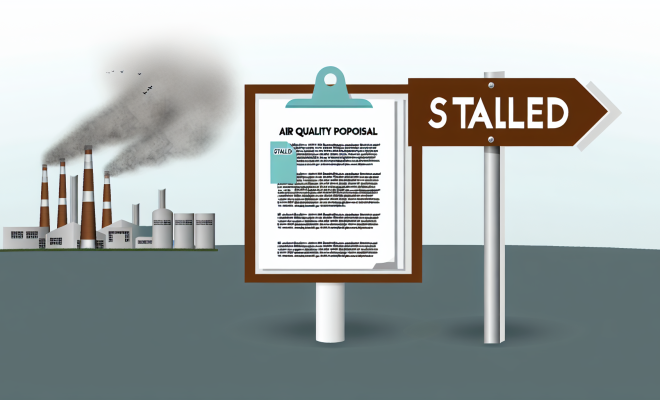
In a significant moment for environmental advocacy in Louisiana, a recent proposal aimed at improving air quality monitoring at high-emission industrial facilities has faltered. During a meeting on April 14, the measure, which sought to mandate air monitoring systems at industrial sites, particularly petrochemical plants, was left in limbo due to a lack of support, reflecting the ongoing tensions between industrial interests and environmental protections.
Background on Louisiana’s Environmental Challenges
Louisiana is home to a multitude of industrial facilities, many of which are concentrated in regions commonly referred to as ‘Cancer Alley.’ This area, which stretches along the Mississippi River from Baton Rouge to New Orleans, has garnered attention due to its high concentration of petrochemical plants and the associated health risks for residents, including elevated rates of cancer and respiratory illnesses.
As public awareness of these environmental issues has risen, activists and community leaders have increasingly called for greater transparency and regulation regarding air emissions. The proposed air monitoring systems were intended as a response to these calls, aiming to provide real-time data on pollution levels and enhance accountability among industrial operators.
The Proposal’s Key Features
The proposed legislation sought to establish a framework for mandatory air quality monitoring at industrial facilities identified as high emitters of pollutants. Key features included:
- Implementation of real-time air monitoring systems at selected industrial sites.
- Regular reporting of emissions data to both state regulators and the public.
- Increased oversight and accountability measures for facilities that exceed emission thresholds.
Proponents of the measure argued that enhanced monitoring would not only protect public health but also foster a more sustainable industrial environment. However, despite these intentions, the proposal faced significant hurdles during discussions.
Challenges Faced During the Meeting
At the April 14 meeting, the proposal’s prospects dimmed as key stakeholders expressed concerns. Industry representatives voiced apprehensions about the potential economic impact and regulatory burdens that the new requirements would impose. The lack of specific details regarding emissions statistics and the absence of endorsements from influential lawmakers further complicated the proposal’s chances of passage.
Moreover, the political climate surrounding environmental regulations in Louisiana has historically leaned towards industry interests, which often prioritize economic growth and job creation over stringent environmental oversight. This dynamic has made it challenging for environmental advocates to gain traction on legislation aimed at improving air quality.
Community Reactions and Advocacy Efforts
The failure to advance the air monitoring proposal has left many community activists and environmental groups frustrated. Advocates argue that the lack of real-time monitoring exacerbates the ongoing health crises in regions like Cancer Alley, where residents have long been exposed to unchecked industrial pollution.
Local organizations have been vocal about the need for better air quality controls, emphasizing that the health of community members should take precedence over industrial profits. Activists have also pointed out that increased monitoring could lead to improved compliance with existing regulations, ultimately benefiting both the environment and public health.
Looking Ahead: The Future of Air Quality Monitoring in Louisiana
As the proposal remains in limbo, the question arises: what are the next steps for advocates seeking to improve air quality monitoring in Louisiana? While the recent meeting may have dealt a blow to immediate hopes for change, it has also highlighted the urgent need for sustained advocacy and community engagement.
Environmental groups are expected to continue pushing for greater oversight and accountability from industrial facilities. This may involve rallying public support, organizing community forums, and leveraging social media campaigns to raise awareness about air quality issues in Louisiana.
Additionally, advocates may explore alternative legislative approaches or work to build coalitions with sympathetic lawmakers who can champion the cause of air quality monitoring from within the state government.
Conclusion
The recent setback concerning air quality monitoring at industrial facilities in Louisiana underscores the complexities of navigating environmental regulation in a state heavily influenced by industrial interests. While the proposal may have stalled, the commitment of community advocates to fight for cleaner air and healthier living conditions remains steadfast. As discussions continue, the hope is that future initiatives will find a way to balance economic development with the essential need for environmental protection.