Engineered Probiotic Bacteria Target & Destroy Tumors (2026)
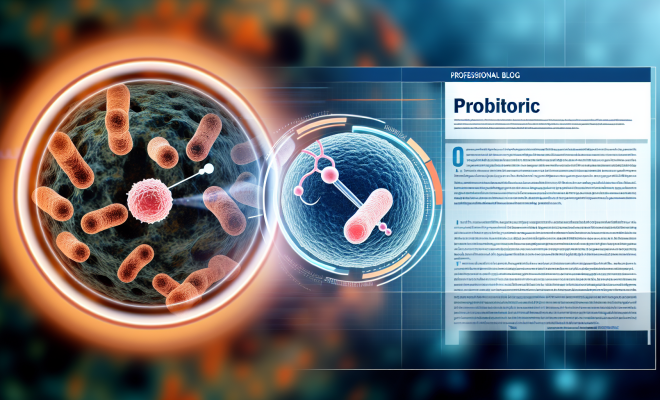
In a remarkable advancement in cancer treatment, researchers from Shandong University have engineered a strain of Escherichia coli Nissle 1917, a well-known probiotic, to act as a targeted agent capable of infiltrating tumors and delivering cancer-fighting drugs directly at the site of the malignancy. This innovative approach, led by researcher Tianyu Jiang, was detailed in a study published on March 21, 2026, in PLOS Biology, showcasing a promising new avenue in the persistent fight against cancer.
Revolutionizing Cancer Treatment
Cancer remains one of the leading causes of mortality worldwide, affecting millions each year. Traditional treatment methods, such as chemotherapy and radiation, often come with significant side effects due to their non-specific nature, which can damage healthy cells along with cancerous ones. This new study aims to enhance treatment efficacy while minimizing adverse effects by utilizing engineered probiotics to deliver therapeutic agents directly to tumor sites.
Mechanism of Action
The engineered E. coli Nissle 1917 bacteria exploit the unique environment of tumors, which often have a different biochemical makeup compared to normal tissues. The researchers have modified these bacteria to produce specific cancer-fighting drugs in response to the tumor microenvironment. This targeted drug delivery system not only increases the concentration of the therapeutic agents at the tumor site but also reduces the systemic exposure of the body to these drugs, thereby minimizing side effects.
Preclinical Success in Mouse Models
In preclinical trials conducted on mouse models, the modified probiotics showed significant promise. The study demonstrated that these engineered bacteria could effectively colonize tumors, leading to a reduction in tumor size and an increase in survival rates among treated mice. As Jiang notes, this approach represents a significant shift in how cancer therapies can be developed, leveraging the natural properties of probiotics to enhance their effectiveness.
Addressing Cancer’s Complexity
The complexity of cancer, characterized by its ability to adapt and evolve, poses a significant challenge for existing treatment modalities. By utilizing probiotics, which are naturally occurring and can be tailored to specific therapeutic needs, researchers believe they can create a more effective treatment strategy that addresses the intricacies of tumor biology. This study not only highlights the potential of probiotics in cancer therapy but also opens the door to further research into their applications in other diseases.
Potential for Human Trials
With the promising results obtained from mouse models, the next logical step involves translating this research into human clinical trials. While there are many regulatory hurdles to navigate, the researchers are optimistic about the potential of this therapy to be adapted for human use. Jiang expressed hope that with further studies, this innovative method could provide a new line of defense for cancer patients, particularly those who have limited treatment options.
Future Implications
The implications of using engineered probiotics in cancer treatment extend beyond just efficacy. If successful, this methodology could lead to a paradigm shift in how cancer therapies are designed and administered. The possibility of using living organisms to combat cancer could usher in a new era of personalized medicine, where treatments are tailored not only to the tumor type but also to the individual patient’s microbiome and overall health.
Challenges Ahead
Despite the promising findings, several challenges remain before this innovative approach can be widely implemented in clinical settings. Key among them is ensuring the safety and stability of the engineered bacteria within the human body. Researchers will need to conduct extensive tests to evaluate potential risks, including immune reactions and the possibility of unintended consequences from introducing modified organisms into the human microbiome.
Conclusion
The engineering of E. coli Nissle 1917 as a tumor-hunting agent represents a significant breakthrough in cancer research. By harnessing the natural properties of probiotics, this approach not only offers a targeted method of drug delivery but also holds the potential to revolutionize cancer treatment as we know it. As research progresses, the hope is to move towards human trials that could eventually change the landscape of cancer therapy for millions of patients worldwide.