Philippines to Restrict Social Media for Minors in 2026
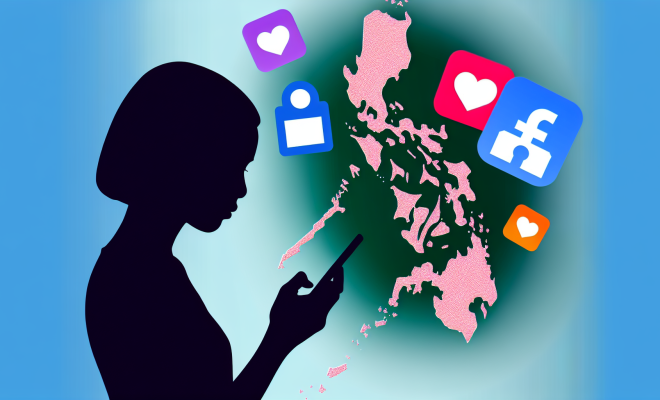
As the digital landscape continues to evolve, the Philippine government is taking significant steps to safeguard its youth from potential online harms. During a recent segment on ANC’s Top Story aired on March 30, 2026, discussions centered around a pressing issue that has garnered attention both locally and internationally: the implementation of restrictions on social media access for minors.
The Rationale Behind Social Media Restrictions
The increasing prevalence of social media in the daily lives of young individuals has sparked widespread concern regarding their exposure to inappropriate content, cyberbullying, and other online dangers. The Philippine government’s proposed restrictions are part of a broader global movement aimed at ensuring the safety of minors in an increasingly digital world.
Advocates for these restrictions argue that social media platforms can be breeding grounds for harmful behaviors and content that can have lasting psychological effects on youth. With studies indicating that excessive use of social media correlates with mental health issues among adolescents, the need for regulatory measures has never been more urgent.
Global Context of Social Media Regulation
The Philippines is not alone in its endeavor to protect minors online. Countries worldwide are grappling with similar issues, prompting various forms of regulation. For instance, the UK has proposed age verification systems for adult content, while the European Union is working on the Digital Services Act, which aims to create safer online environments.
These global efforts reflect a consensus that protecting minors from the potential pitfalls of social media is essential. The Philippines’ initiative is a notable addition to this international dialogue, seeking to balance the benefits of social media with the imperative of youth protection.
Key Proposals and Measures
The proposed restrictions in the Philippines involve a range of measures designed to limit minors’ access to social media platforms. While specific details are still being finalized, the following key proposals have surfaced:
- Age Verification: Implementing strict age verification processes to prevent minors from creating accounts on platforms primarily aimed at adults.
- Content Filters: Introducing advanced content filtering technologies to block access to harmful content such as violence, pornography, and hate speech.
- Time Limits: Establishing daily usage limits for minors to encourage healthier online habits and reduce exposure to harmful content.
These measures aim to create a safer online environment for young users and address the increasing incidence of cyberbullying and mental health issues associated with social media use.
Broader Implications for Policy and Society
The push for social media restrictions in the Philippines comes amid other critical discussions in the political arena, including ongoing negotiations with China concerning oil exploration, economic concerns about rising diesel prices, and military operations in Occidental Mindoro. These issues underscore the complex and interconnected nature of governance in the region.
In light of these developments, the call for restrictions on social media access for minors is not merely a standalone policy but rather part of a comprehensive approach to addressing broader societal concerns. By prioritizing youth safety online, the government is signaling its commitment to fostering a healthier environment for future generations.
Challenges Ahead
While the intentions behind these restrictions are commendable, implementing such measures will not be without its challenges. Critics argue that over-regulation could infringe on personal freedoms and limit the opportunities for youth to engage positively with technology. There is also concern about the effectiveness of age verification systems, as tech-savvy minors may find ways to bypass restrictions.
Additionally, the digital divide in the Philippines raises questions about equitable access to the internet and technology. As the government moves to restrict access for some, it must also consider how to ensure that all children have equal opportunities to engage with the digital world safely.
Conclusion
The discussions surrounding social media restrictions for minors in the Philippines reflect a growing recognition of the need to protect young individuals in the digital age. As the government navigates the complexities of this issue, it will be crucial to strike a balance between safeguarding youth and preserving their rights to access information and communication tools.
As these conversations continue, the Philippines may serve as a model for other nations grappling with similar issues, demonstrating that proactive measures can be taken to foster a safer online environment for all.