Orlen’s High Fuel Prices Spark Debate Amid Global Tensions
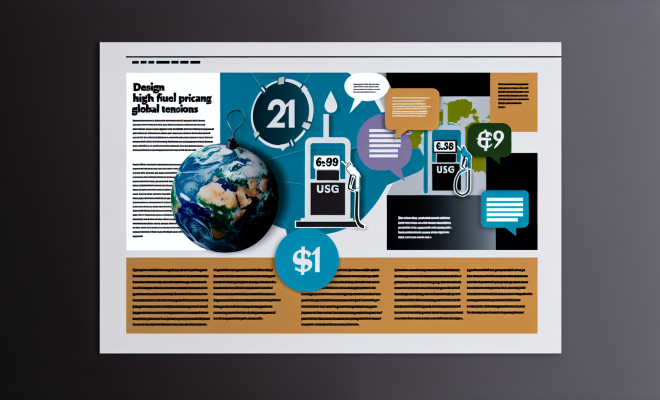
In the heart of Europe, the Polish fuel market is currently facing a challenging landscape as Orlen, the nation’s largest fuel supplier, continues to maintain elevated fuel prices. This practice has been attributed to the company relying on stockpiles acquired before the recent disruptions in the Ormuz Strait, a crucial maritime route for global oil supply. Critics, including notable figures like Minister of Education Przemysław Czarnek, have voiced their discontent, comparing the current pricing strategy unfavorably to past management practices.
Background: The Ormuz Strait Crisis
The Ormuz Strait is a vital passageway for approximately 20% of the world’s petroleum, making it a critical factor in global fuel prices. Recent geopolitical tensions have heightened fears of supply disruptions, leading to fluctuations in oil prices worldwide. As prices surge in response to these tensions, consumers are feeling the pinch at the pump, particularly in countries like Poland where Orlen’s pricing strategy has come under scrutiny.
Orlen’s Pricing Strategy: A Closer Look
Orlen’s decision to hold fuel prices at elevated levels is primarily based on their procurement of fuel stockpiles prior to the crises affecting the Ormuz Strait. This strategy, while financially beneficial for Orlen in the short term, has sparked debate about the long-term implications for consumers and the broader market. Critics argue that the company is taking advantage of the situation rather than passing on savings to consumers.
Government Response and Taxation Issues
The Polish government has faced criticism for its inaction regarding fuel margins, excise taxes, and Value Added Tax (VAT). Unlike other European nations such as Italy and Spain, which implemented swift tax cuts to mitigate rising fuel costs, Poland’s government has remained relatively passive. This lack of action has allowed Orlen to maintain high prices, further frustrating consumers who are already dealing with the economic impact of inflation and rising living costs.
Public Reaction and Political Implications
The public reaction to Orlen’s pricing strategy has been overwhelmingly negative, with many consumers feeling the burden of high fuel costs. The frustration is compounded by the perceived inaction of the government, which has failed to implement measures that could alleviate financial pressure on motorists and businesses dependent on fuel.
- Consumer Frustration: Many consumers have taken to social media to express their dissatisfaction, highlighting the disparity between current fuel prices and historical averages.
- Political Fallout: The situation has opened a rift among political leaders, with critics like Przemysław Czarnek calling for accountability and better management practices.
- Comparative Analysis: The contrast with Italy and Spain’s swift tax reductions has led to questions about the Polish administration’s effectiveness in managing economic crises.
Impact on the Automotive Sector
The automotive sector is particularly vulnerable to fluctuations in fuel prices, as logistics and transportation costs directly impact overall operational expenses. High fuel prices can lead to increased costs for consumers, which may ultimately affect vehicle sales and maintenance services.
According to industry experts, prolonged high fuel prices could lead to shifts in consumer behavior, such as:
- Increased Interest in Fuel-Efficient Vehicles: As fuel costs rise, consumers may gravitate towards hybrid or electric vehicles that promise lower operational expenses.
- Shift in Driving Habits: Higher fuel prices may encourage people to use public transport or carpooling options to save money.
- Impact on Commercial Logistics: Businesses may increase shipping costs to offset higher fuel prices, which could lead to increased prices for goods and services.
Looking Ahead: What Can Be Done?
As the situation evolves, stakeholders in the Polish fuel market must consider strategies that could alleviate some of the burdens on consumers. Options could include:
- Government Intervention: Implementing tax cuts or subsidies to reduce the financial strain on consumers.
- Transparent Pricing Models: Encouraging companies like Orlen to adopt transparent pricing strategies that reflect actual costs without excessive markups.
- Investment in Alternatives: Promoting the use of alternative fuels and energy sources to reduce dependency on traditional fuel supplies.
Conclusion
The ongoing high fuel prices in Poland, largely driven by Orlen’s stockpiling strategy amid global uncertainties, have sparked significant debate and criticism. As consumers grapple with rising costs, the call for government action grows louder. The automotive sector, which is intricately linked to fuel prices, faces potential shifts that could redefine consumer behavior and market dynamics in the near future. Only time will tell how these challenges will unfold and what measures will be implemented to support both consumers and the industry.