The Tech Edvocate

Top Menu

  • Advertisement
  • Apps
  • Home Page
  • Home Page Five (No Sidebar)
  • Home Page Four
  • Home Page Three
  • Home Page Two
  • Home Tech2
  • Icons [No Sidebar]
  • Left Sidbear Page
  • Lynch Educational Consulting
  • My Account
  • My Speaking Page
  • Newsletter Sign Up Confirmation
  • Newsletter Unsubscription
  • Our Brands
  • Page Example
  • Privacy Policy
  • Protected Content
  • Register
  • Request a Product Review
  • Shop
  • Shortcodes Examples
  • Signup
  • Start Here
    • Governance
    • Careers
    • Contact Us
  • Terms and Conditions
  • The Edvocate
  • The Tech Edvocate Product Guide
  • Topics
  • Write For Us
  • Advertise

Main Menu

  • Start Here
    • Our Brands
    • Governance
      • Lynch Educational Consulting, LLC.
      • Dr. Lynch’s Personal Website
      • Careers
    • Write For Us
    • The Tech Edvocate Product Guide
    • Contact Us
    • Books
    • Edupedia
    • Post a Job
    • The Edvocate Podcast
    • Terms and Conditions
    • Privacy Policy
  • Topics
    • Assistive Technology
    • Child Development Tech
    • Early Childhood & K-12 EdTech
    • EdTech Futures
    • EdTech News
    • EdTech Policy & Reform
    • EdTech Startups & Businesses
    • Higher Education EdTech
    • Online Learning & eLearning
    • Parent & Family Tech
    • Personalized Learning
    • Product Reviews
  • Advertise
  • Tech Edvocate Awards
  • The Edvocate
  • Pedagogue
  • School Ratings

logo

The Tech Edvocate

  • Start Here
    • Our Brands
    • Governance
      • Lynch Educational Consulting, LLC.
      • Dr. Lynch’s Personal Website
        • My Speaking Page
      • Careers
    • Write For Us
    • The Tech Edvocate Product Guide
    • Contact Us
    • Books
    • Edupedia
    • Post a Job
    • The Edvocate Podcast
    • Terms and Conditions
    • Privacy Policy
  • Topics
    • Assistive Technology
    • Child Development Tech
    • Early Childhood & K-12 EdTech
    • EdTech Futures
    • EdTech News
    • EdTech Policy & Reform
    • EdTech Startups & Businesses
    • Higher Education EdTech
    • Online Learning & eLearning
    • Parent & Family Tech
    • Personalized Learning
    • Product Reviews
  • Advertise
  • Tech Edvocate Awards
  • The Edvocate
  • Pedagogue
  • School Ratings
  • The Unseen Revolution: Why Millions Are Ditching Smartwatches for These Rings in 2026

  • The NYC Real Estate Tech Revolution: What Developers Like Boris Mizhen Are Chasing

  • The Startling Truth: Rogue AI Agents Spark Unprecedented Legal Battles

  • Your Metaverse Real Estate Investment Could Explode 1100% By 2034 – Here’s Why

  • Asmongold’s Shocking Take on Women in Video Games: The Firestorm Explained

  • TOMORROW’S WATCH October 4, 2026 Tomorrow, New York City puts the biggest AI labs on the stand.

  • The Troubling Truth About AI Companions in Education

  • Citrix’s Latest Crisis: Is Your NetScaler SAML Zero-Day Exploit a Time Bomb?

  • Shocking Car Payment Trends: Over 1 in 5 New Buyers Hit $1,000 Monthly — Here’s Why

  • Hyundai’s Bold Move: The Solid-State Battery Revolution That Could Reshape EVs

Tech News
Home›Tech News›Food Insecurity Rises: Communities Step Up Amid Policy Shifts

Food Insecurity Rises: Communities Step Up Amid Policy Shifts
By Matthew Lynch
March 30, 2026
0
Spread the love

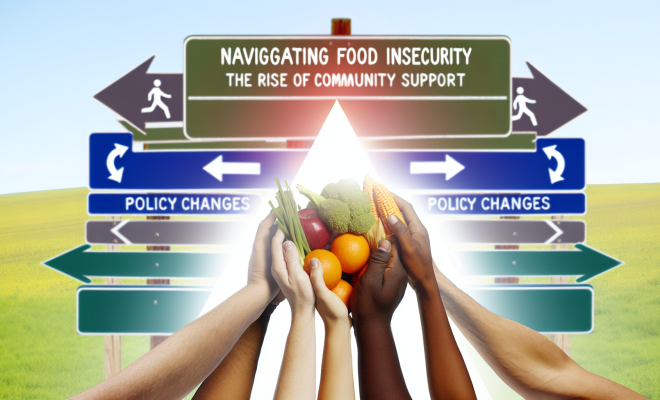
In recent years, food assistance programs have faced significant changes, leaving many low-income families struggling to meet their basic nutritional needs. As government policies tighten, the gap between what is available through official channels and what is needed at the pantry level has widened, forcing families to look towards community networks for support. This situation has been poignantly captured in a recent article by reporter Angelina Tao, which outlines the increasing reliance on local resources amidst rising challenges.

The Changing Landscape of Food Assistance

Food assistance programs, designed to provide crucial support to those in need, have undergone various modifications due to policy reforms. These changes can manifest in a range of ways, including stricter eligibility requirements, decreased funding, and adjustments to benefit levels. As a result, many families that once relied on these programs are finding themselves in precarious situations, struggling to put food on the table.

Statistics Highlighting the Crisis

Recent data shows a troubling trend: food insecurity rates have been steadily climbing, particularly among low-income households. According to the U.S. Department of Agriculture, approximately 10.5% of American households were food insecure at some point in 2021, a figure that has likely increased as policy shifts continue to take effect. These statistics underscore the urgency of the situation and the need for immediate action from both policymakers and community organizations.

Community Networks Step Up

In the face of these challenges, many families have turned to community resources to bridge the gap left by government assistance. Local food banks, community gardens, and cooperative pantries have emerged as vital lifelines for those struggling to secure adequate nutrition. These networks not only provide food but also foster a sense of community, offering emotional support and solidarity in challenging times.

Local Initiatives Making a Difference

Numerous grassroots initiatives have sprung up across the country, aiming to supplement the diminishing resources available through traditional food assistance programs. Here are a few examples:

  • Community Food Banks: Many cities have food banks that operate on donations from local businesses and residents. These banks often have no eligibility requirements, allowing anyone in need to access food supplies.
  • Community Gardens: These gardens not only provide fresh produce but also empower individuals by teaching them about sustainable agriculture and nutrition.
  • Meal Sharing Programs: Initiatives like meal-sharing apps connect those with food to spare with individuals and families in need, reducing waste while addressing hunger.

The Importance of Food Literacy

As food insecurity rises, the need for food literacy becomes increasingly apparent. Families struggling to access nutritious food often lack essential knowledge about food preparation and nutrition. Programs that focus on educating individuals about healthy eating, budgeting, and cooking skills can make a significant impact. By empowering families with knowledge, they can make informed decisions about their diets and nutritional needs.

Building Resilience Through Education

Community organizations are recognizing the importance of food literacy and are incorporating educational components into their support programs. Workshops on cooking, budgeting for groceries, and understanding nutrition labels can help families stretch their limited resources further. Such initiatives not only address immediate food needs but also build long-term resilience against food insecurity.

Advocating for Policy Change

While local networks are essential for immediate support, they cannot fully replace the need for effective government food assistance policies. Advocacy for policy change is critical to ensure that food assistance programs are adequately funded and accessible to those in need. Local organizations are increasingly calling on policymakers to address the shortcomings of current systems and to invest in comprehensive solutions that address food insecurity at its root.

The Role of Grassroots Movements

Grassroots movements play a crucial role in shaping policy and raising awareness about food insecurity. These movements often highlight the stories of individuals affected by food scarcity, bringing a human face to statistics. By mobilizing community members and leveraging social media, advocates can create a powerful narrative that drives change at the local, state, and national levels.

Conclusion: A Call to Action

The challenges faced by low-income families in securing adequate nutrition are significant and growing. As food assistance programs undergo policy changes, the reliance on community networks becomes increasingly vital. By supporting local initiatives, promoting food literacy, and advocating for policy reform, we can work towards a more equitable food system that ensures all families have access to the nutrition they need to thrive.

The journey from policy to pantry is fraught with challenges, but through community collaboration and advocacy, there is hope for a brighter future where food security is a reality for everyone.


Previous Article

Nestlé Compleat Paediatric Blend: Nutrition for Special ...

Next Article

Asia’s Power Shift: LNG’s Role Shrinks by ...

Matthew Lynch

Related articles More from author

  • Tech News

    Unbelievable: Gamers Fought Blizzard’s Censorship and Saved Ogre Butts

    September 27, 2026
    By Matthew Lynch
  • Tech News

    Taylor Swift Breaks Michael Jackson’s Record On The Eras Tour

    August 22, 2024
    By Matthew Lynch
  • Tech News

    Deepfake Admissions Scandal 2026: Elite Universities Exposed

    May 12, 2026
    By Matthew Lynch
  • Tech News

    Plan the Perfect Graduation Party: 7 Essential Steps

    June 27, 2026
    By Matthew Lynch
  • Tech News

    How to use turbo boost in Advanced SystemCare?

    August 19, 2026
    By Matthew Lynch
  • Tech News

    Master the Crochet Chain Stitch: Your Ultimate Guide

    July 11, 2026
    By Matthew Lynch

Search

Login & Registration

  • Log in
  • Entries feed
  • Comments feed
  • WordPress.org

Newsletter

Signup for The Tech Edvocate Newsletter and have the latest in EdTech news and opinion delivered to your email address!

About Us

Since technology is not going anywhere and does more good than harm, adapting is the best course of action. That is where The Tech Edvocate comes in. We plan to cover the PreK-12 and Higher Education EdTech sectors and provide our readers with the latest news and opinion on the subject. From time to time, I will invite other voices to weigh in on important issues in EdTech. We hope to provide a well-rounded, multi-faceted look at the past, present, the future of EdTech in the US and internationally.

We started this journey back in June 2016, and we plan to continue it for many more years to come. I hope that you will join us in this discussion of the past, present and future of EdTech and lend your own insight to the issues that are discussed.

Newsletter

Signup for The Tech Edvocate Newsletter and have the latest in EdTech news and opinion delivered to your email address!

Contact Us

The Tech Edvocate
910 Goddin Street
Richmond, VA 23231
(601) 630-5238
[email protected]

Copyright © 2026 Matthew Lynch. All rights reserved.