Shifting Tides: LNG’s Declining Role in Asia’s Power Generation by 2026
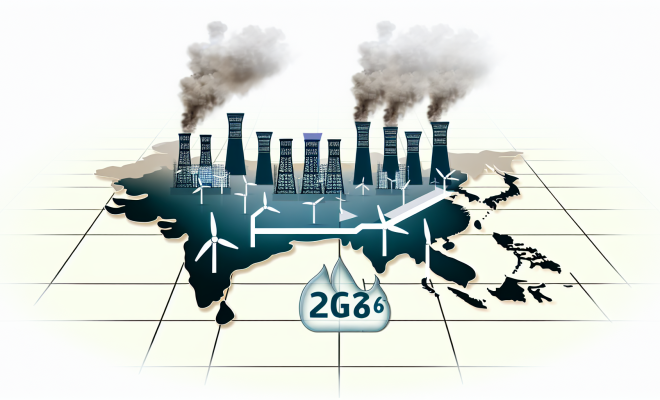
As Asia’s energy landscape evolves, a significant transformation is underway in the region’s power generation mix. According to recent projections, liquefied natural gas (LNG) is expected to see its share plummet to 17% by 2026, a steep decline from 23% in 2025. This shift is primarily attributed to long-term importers of Qatari LNG pivoting towards alternative energy sources amid changing market dynamics.
Understanding the LNG Landscape in Asia
LNG has been a crucial component of Asia’s energy strategy, particularly for countries like Japan and South Korea, which have relied heavily on natural gas imports to meet their growing electricity demands. However, as global energy trends shift, these nations are reevaluating their energy portfolios.
Factors Driving the Decline
The anticipated drop in LNG’s market share can be traced back to several interrelated factors:
- Policy Changes: Many Asian governments are increasingly prioritizing renewable energy sources such as wind, solar, and hydroelectricity in a bid to reduce carbon emissions and combat climate change.
- Market Volatility: The global LNG market has experienced significant price fluctuations, making it a less attractive option for energy security compared to more stable renewable sources.
- Technological Advancements: Improvements in renewable energy technologies are making them more competitive, both in terms of cost and efficiency.
Long-term Importers Shift Strategies
Countries that have historically relied on Qatari LNG are reevaluating their strategies. Japan and South Korea, for instance, are exploring various options to diversify their energy sources. The shift away from LNG is emblematic of a broader trend where long-term energy contracts are being scrutinized and, in some cases, renegotiated or terminated.
Emerging Alternatives in Power Generation
As LNG’s share diminishes, Asian nations are investing heavily in alternative energy sources:
- Solar Power: Countries like China and India are ramping up their solar installations, with ambitious targets set for the coming years. The cost of solar technology continues to decline, making it a viable option for large-scale power generation.
- Wind Energy: Offshore and onshore wind farms are becoming increasingly prevalent. Nations such as Japan and South Korea are harnessing their coastal winds to bolster their renewable energy portfolios.
- Energy Storage Technologies: Advances in battery technology are enhancing the reliability of renewable sources, allowing for better integration into the power grid.
Implications for the Energy Market
The shift away from LNG has significant implications for the energy market in Asia. As countries move towards a more diversified energy mix, traditional energy suppliers, particularly those from the Middle East, may face challenges in maintaining their market shares. This could lead to a reconfiguration of global energy trade dynamics.
Impact on Qatari LNG Suppliers
For Qatar, which has been one of the world’s leading producers of LNG, the projected decline in demand from Asia poses a challenge. The country has invested heavily in expanding its LNG production capacity, and a shift towards renewables in key markets may lead to excess supply in the long run.
The Future of Energy in Asia
The decline of LNG in Asia’s energy mix signals a broader transition towards a more sustainable and diversified energy landscape. While natural gas has played a pivotal role in bridging the gap between coal and renewables, its dominance is being challenged by the growing adoption of clean energy technologies.
Conclusion
As we approach 2026, the energy sector in Asia is poised for a transformative change. The sharp decline in LNG’s share of power generation underscores a pivotal moment in the region’s energy policy. Stakeholders must navigate these evolving dynamics to secure energy reliability while embracing sustainability. The future of energy in Asia will increasingly depend on the successful integration of renewable sources, technological advancements, and strategic planning to ensure a stable and resilient power supply.