Traditional vs. Scientific Diets for Senior Blood Pressure
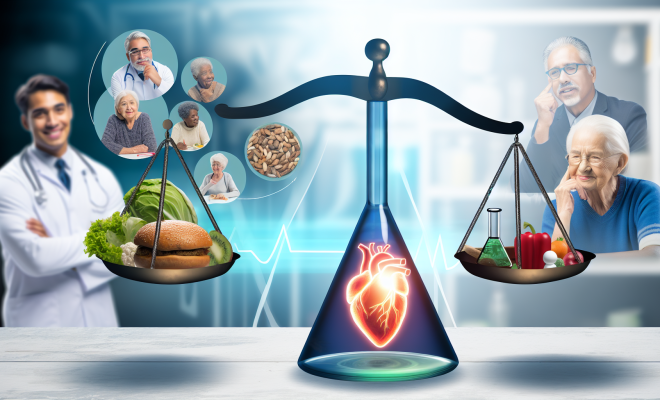
As the quest for better health continues, a fascinating dietary conflict has emerged, particularly among the senior population. This conflict pits traditional eating habits against modern scientific approaches aimed at lowering blood pressure naturally. With hypertension affecting millions of older adults worldwide, understanding the implications of these dietary choices is crucial for maintaining cardiovascular health.
The Rise of Hypertension Among Seniors
Hypertension, or high blood pressure, is a growing concern, especially in aging populations. According to the World Health Organization, nearly one in three adults aged 65 and older suffer from hypertension, leading to an increased risk of heart disease, stroke, and kidney failure. As a result, managing blood pressure through diet is not just a matter of preference; it’s a necessity for many.
Tradition vs. Science: A Dietary Dilemma
For many seniors, food is deeply intertwined with culture and personal history. Traditional diets often reflect long-standing practices that have been passed down through generations. However, these culinary customs may not align with contemporary scientific findings about nutrition and health.
Common Traditional Foods
Traditional diets among older adults frequently include:
- High-sodium preserved foods, such as cured meats and pickled vegetables
- Refined grains and sugars found in pastries and breads
- Fried foods, which are often rich in unhealthy fats
- Dairy products that can be high in saturated fats
These food choices, while beloved and comforting, can contribute to increased blood pressure levels. On the other hand, scientific recommendations advocate for dietary patterns that emphasize fresh, whole foods.
Evidence-Based Dietary Recommendations
Scientific research supports several dietary strategies to manage hypertension effectively. Among them, the DASH diet (Dietary Approaches to Stop Hypertension) has garnered significant attention and praise. The DASH diet emphasizes:
- Fruits and vegetables, which are rich in potassium and fiber
- Whole grains, providing essential nutrients and aiding in digestion
- Lean proteins, such as fish, poultry, and legumes
- Low-fat dairy products, offering calcium without excess saturated fat
- Healthy fats, primarily from nuts and seeds
These elements work together to lower blood pressure and improve overall heart health. However, the challenge lies in persuading seniors to deviate from their ingrained dietary patterns.
Understanding Resistance to Change
One of the primary obstacles to adopting new dietary habits is the emotional attachment to traditional foods. For many seniors, meals are not just about sustenance; they are a vital part of their identity and social connections. Celebrations, family gatherings, and cultural rituals often revolve around specific dishes that may not align with modern nutritional advice.
The Role of Education and Support
Educating seniors about the importance of dietary changes is essential for bridging the gap between tradition and science. Healthcare providers, nutritionists, and community programs can play a pivotal role in this process by:
- Offering cooking classes that incorporate traditional recipes with healthier modifications
- Providing resources that explain the benefits of a heart-healthy diet
- Encouraging support groups that foster shared experiences and tips for dietary changes
By promoting understanding and offering practical solutions, seniors may be more willing to embrace healthier options without feeling that they are abandoning their heritage.
Finding a Middle Ground
Rather than viewing traditional and scientific approaches as mutually exclusive, a more effective strategy may involve blending the two. By incorporating beloved traditional foods into a more balanced diet, seniors can maintain their cultural connections while still prioritizing their health.
Creative Solutions for Healthier Eating
Some simple adaptations can help seniors enjoy their favorite dishes without compromising their health:
- Using herbs and spices instead of salt for flavoring
- Substituting whole grains for refined grains in traditional recipes
- Choosing low-sodium versions of preserved foods
- Incorporating more vegetables into staple dishes
These modifications allow seniors to enjoy the foods they love while also aligning with scientific recommendations for managing blood pressure.
Conclusion
The dietary battle between tradition and science is a significant issue as we aim to lower blood pressure naturally among seniors. By acknowledging the importance of cultural practices while providing evidence-based nutritional guidance, we can create a more inclusive approach to dietary health. As we continue to explore the complexities of food choices in older age, it becomes clear that a collaborative effort is essential for promoting the well-being of this vital demographic.