Transform Your Gut Health: The Rising Trend of Fibermaxxing
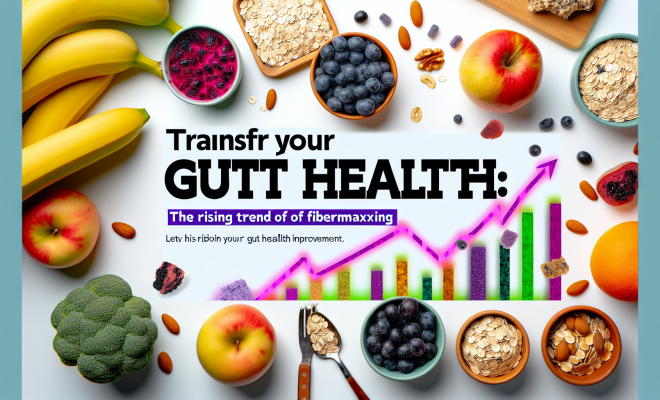
In recent years, a dietary trend known as fibermaxxing has been gaining traction, particularly among health enthusiasts on social media. This concept, advocated by scientists like Jennifer Lee from Tufts University, emphasizes the importance of consuming a daily intake of fiber that is tailored to an individual’s body weight. As research continues to unveil the numerous benefits of fiber, experts are encouraging people to embrace this simple yet transformative dietary change.
The Fibermaxxing Phenomenon
Fibermaxxing is centered around the idea that individuals should aim for a minimum daily fiber intake that corresponds to their body weight. This approach is not just a passing trend; it is rooted in scientific evidence highlighting the multitude of health benefits that fiber offers. From enhancing gut health to regulating blood sugar levels, fiber plays a crucial role in our overall well-being.
Health Benefits of Fiber
According to Jennifer Lee, fiber is essential for supporting beneficial gut microbes, which are integral to our digestive health. This, in turn, impacts our lifespan and healthspan, distinguishing between simply living longer and living a healthier life. The benefits of fiber-rich diets are numerous:
- Improved Digestion: Fiber aids in the regularity of bowel movements and helps prevent constipation.
- Blood Sugar Regulation: Soluble fiber slows down digestion, which helps prevent spikes in blood glucose levels.
- Cholesterol Management: High-fiber diets can lower cholesterol absorption, reducing the risk of heart disease.
- Weight Management: Fiber-rich foods can promote satiety, helping to control appetite and prevent overeating.
- Reduced Risk of Chronic Diseases: A diet high in fiber is linked to lower risks of obesity, type 2 diabetes, and certain cancers.
Types of Fiber and Their Sources
Understanding the different types of fiber is crucial for maximizing its health benefits. There are two primary categories of dietary fiber: soluble fiber and insoluble fiber.
Soluble Fiber
Soluble fiber dissolves in water to form a gel-like substance. It is found in various foods, including:
- Fruits: Apples, avocados, bananas
- Vegetables: Cabbage, broccoli, cauliflower
- Legumes: Beans, lentils, chickpeas
- Grains: Oatmeal and barley
This type of fiber is particularly effective in slowing digestion, which aids in maintaining stable blood sugar levels and lowering cholesterol absorption. For those looking to implement fibermaxxing, incorporating more soluble fiber into meals can provide significant health advantages.
Insoluble Fiber
Insoluble fiber, on the other hand, does not dissolve in water and helps add bulk to stool, promoting regular bowel movements. Key sources of insoluble fiber include:
- Whole Grains: Brown rice, whole wheat bread, and quinoa
- Nuts and Seeds: Almonds, walnuts, flaxseeds
- Vegetables: Carrots, cucumbers, and celery
Incorporating both soluble and insoluble fiber into your diet is essential for achieving optimal gut health and overall wellness.
The Growing Awareness of Fiber’s Role in Health
There is a growing recognition of the importance of dietary fiber in health and nutrition. As research continues to emerge, the scientific community is increasingly emphasizing the need for adequate fiber intake. While the recommended daily intake of fiber is typically around 25 grams for women and 38 grams for men, this can vary based on individual body weight and health goals.
Social media platforms have played a pivotal role in spreading awareness about fibermaxxing and its benefits. Users are sharing recipes, meal plans, and tips for incorporating more fiber into their diets, making it easier for individuals to adopt this healthy trend.
Practical Tips for Increasing Fiber Intake
For those interested in embracing the fibermaxxing trend, here are some practical tips to help increase fiber intake:
- Start Gradually: If you’re new to fiber, increase your intake slowly to avoid digestive discomfort.
- Choose Whole Foods: Opt for whole fruits, vegetables, and grains over processed options.
- Incorporate Legumes: Beans and lentils can be added to soups, salads, and main dishes for a fiber boost.
- Snack Smart: Choose nuts, seeds, and fresh fruits as snacks instead of processed snacks.
- Stay Hydrated: Drink plenty of water to help fiber do its job effectively.
Conclusion
As the fibermaxxing trend continues to gain momentum, it is clear that incorporating more fiber into our diets can lead to significant health benefits. By understanding the different types of fiber and making conscious dietary choices, individuals can enhance their gut health, improve digestion, and reduce the risk of chronic diseases. With simple changes to our eating habits, we can transform our health one fiber-rich meal at a time.