NASA Captures Stunning Images of Moon’s Largest Crater from Recent Impact
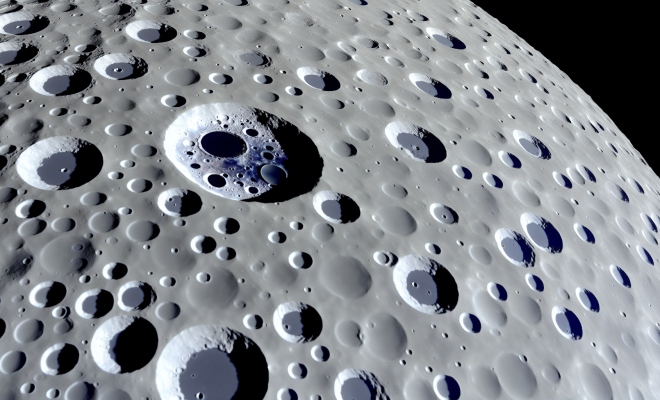
In a groundbreaking revelation, NASA has shared striking before-and-after images of the Moon, showcasing a newly formed crater that has captured the attention of scientists and astronomy enthusiasts alike. This crater, the largest fresh impact ever recorded by NASA’s lunar orbiter, is a significant addition to the Moon’s scarred surface, providing vital insights into lunar geology and the dynamics of impact events.
A Historic Impact Event
The impressive lunar impact occurred in late spring 2024, marking a momentous occasion for lunar studies. This event is particularly noteworthy as it represents one of the rare instances where scientists can observe the immediate aftermath of an impact on the Moon’s surface. The crater’s formation has sparked considerable interest as it not only adds to the Moon’s geological narrative but also enhances our understanding of impact processes in space.
Unveiling the Crater
The before-and-after photographs taken by NASA’s lunar orbiter offer a unique glimpse into the changes that the Moon underwent due to this impact. The images reveal a stark contrast, with the new crater standing out against the otherwise serene and ancient landscape. The size and depth of the crater provide clues about the energy of the impact and the materials involved, making it a valuable subject for ongoing research.
Significance of the Discovery
The discovery of this new crater is significant not only for its size but also for its implications for understanding lunar geology. The Moon’s surface is a history book of impacts, and this fresh crater allows scientists to study a relatively young geological feature. By analyzing the characteristics of the crater, researchers can learn more about:
- Impact Dynamics: Understanding how impacts shape celestial bodies.
- Material Composition: Examining the materials ejected during the impact.
- Lunar History: Gaining insights into the Moon’s geological past through comparative studies.
A Window into the Moon’s Past
The Moon has been subjected to countless impacts over billions of years, resulting in a surface that is heavily cratered and pockmarked with scars from collisions with asteroids and comets. The formation of a new crater is a rare opportunity to observe a relatively fresh feature, allowing scientists to gather data that can inform their understanding of the Moon’s history and evolution.
NASA’s Role in Lunar Exploration
This latest discovery is a testament to NASA’s commitment to lunar exploration and research. Through its ongoing missions, NASA continues to gather critical data about the Moon, which is essential for future exploration efforts, including potential manned missions to the lunar surface.
NASA’s lunar orbiter has been instrumental in providing high-resolution images and data, enabling scientists to make significant advancements in our understanding of lunar geology. The agency’s ability to capture such events as they unfold highlights the importance of technology in space exploration.
Future Implications
The implications of this discovery extend beyond the current understanding of the Moon. Future studies will likely focus on:
- Planetary Defense: Insights gained from lunar impacts may help improve predictions of potential threats to Earth from space debris.
- Resource Exploration: Understanding the Moon’s composition is vital for future resource utilization, which could support long-term human presence.
- Impact Cratering Studies: This event provides a fresh case study for researchers interested in the mechanics of cratering.
Conclusion
The emergence of the Moon’s largest fresh crater, documented through NASA’s before-and-after imaging, underscores the dynamic nature of our nearest celestial neighbor. As scientists continue to analyze the data collected from this impact, they will unlock new knowledge that could fundamentally change our understanding of the Moon and its geological processes. The findings from this event will not only deepen our appreciation of the Moon’s history but also inform future explorations and studies of other celestial bodies.
As we look to the stars and beyond, events like this remind us of the ever-evolving tapestry of our solar system, filled with mysteries waiting to be unraveled.