Mortgage Rates Climb as Applications Decline: A Closer Look at the Market Trends
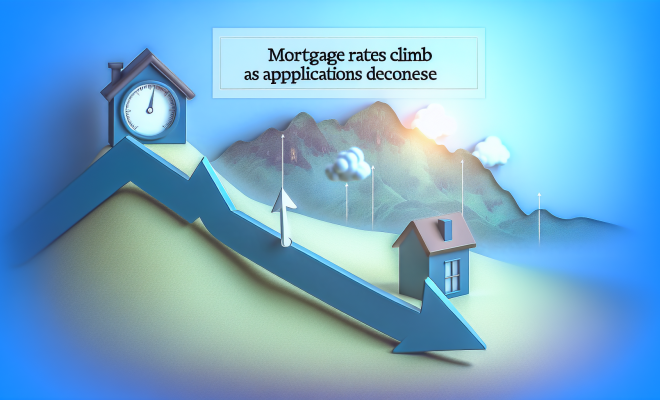
The mortgage landscape in the United States has recently witnessed a notable shift, with average interest rates rising significantly. As of March 30, 2026, the average 30-year fixed-rate conforming mortgage rate reached 6.422%, marking an increase of 6 basis points from the previous day and 17 basis points compared to the week prior, according to data from Optimal Blue.
Current Mortgage Rates Overview
The upward trend is not limited to the 30-year mortgage option. The average rate for the 15-year fixed-rate mortgage also saw an increase, averaging 5.780%. This figure represents a daily rise of 5 basis points and a weekly increase of 13 basis points. These changes are significant for potential homebuyers and those looking to refinance, as they directly affect monthly payments and overall affordability.
Factors Driving the Increase in Mortgage Rates
Several economic factors have contributed to the rise in mortgage rates. One of the most influential has been the fluctuation of Treasury yields, which have been elevated due to rising oil prices. According to Joel Kan, Vice President of the Mortgage Bankers Association (MBA), these economic conditions have a direct impact on mortgage pricing. Higher Treasury yields often lead to increased borrowing costs, which is reflected in the current mortgage rates.
The Impact on Mortgage Applications
Accompanying the rise in mortgage rates is a decline in mortgage applications. For the week ending March 20, the Mortgage Bankers Association reported a 10.5% decrease in applications. This drop is concerning for the housing market, especially given that rising rates typically discourage potential homebuyers from entering the market.
- Reasons for the Decline: The significant rise in mortgage rates is making home loans more expensive, which is likely leading many prospective buyers to reconsider their options.
- Market Sentiment: As rates increase, consumer confidence may wane, resulting in fewer applications as buyers wait for more favorable conditions.
The Broader Economic Context
The current state of the economy is also playing a critical role in shaping the mortgage landscape. The rise in oil prices has broader implications, not only impacting mortgage rates but also affecting inflation and consumer spending. As energy costs rise, households may find themselves with less discretionary income, which can influence their ability to purchase homes.
What This Means for Homebuyers
For those considering buying a home, the recent increases in mortgage rates should be a cause for careful consideration. Higher rates translate to higher monthly payments, which can significantly affect affordability. Here are some implications for potential homebuyers:
- Cost of Borrowing: With rates climbing, the total cost of borrowing increases, meaning homebuyers may need to adjust their budgets or consider less expensive properties.
- Timing the Market: Many buyers may choose to hold off on purchasing in hopes that rates will decline, leading to a potential slowdown in home sales.
- Potential for Negotiation: As demand wanes due to rising rates, buyers might find themselves in a better position to negotiate prices with sellers who are anxious to close deals.
Future Outlook
The outlook for mortgage rates remains uncertain. While it is difficult to predict exactly how rates will move in the coming weeks and months, several key factors may influence the trajectory:
- Inflation Trends: If inflation continues to rise, it could lead to further increases in interest rates as the Federal Reserve attempts to stabilize the economy.
- Global Economic Conditions: Ongoing geopolitical tensions and global economic factors could also play a role in shaping oil prices and, consequently, mortgage rates.
- Consumer Confidence: The sentiment of potential homebuyers will likely dictate demand, affecting how quickly the housing market adjusts to changing mortgage rates.
Conclusion
The current rise in mortgage rates and the corresponding decline in applications signals a pivotal moment for the housing market. As rates continue to climb, potential homebuyers may need to navigate a more challenging landscape. Staying informed about economic trends and mortgage rate fluctuations will be critical for those looking to make homeownership a reality in the coming months.